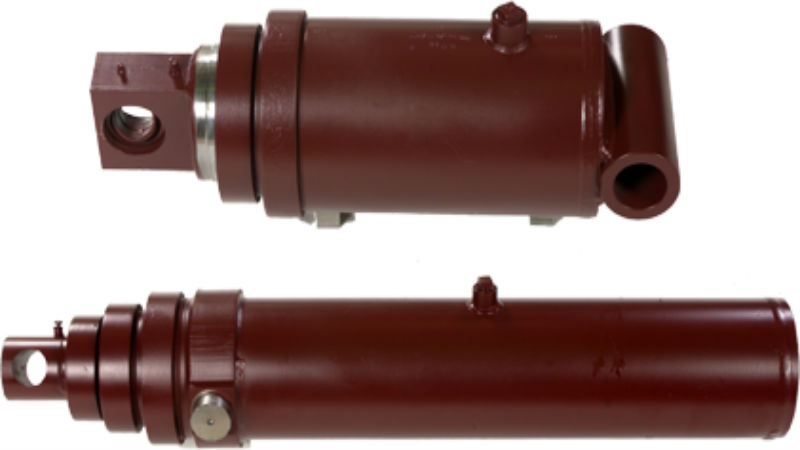
For most hydraulic applications today, standard cylinders do the job well. However, sometimes you need extended power or more options, and a telescopic cylinder is perfect for the application. Here are some things to know about this kind of cylinder, and the important role it plays in many industries today.
Works Like a Telescope
Some tasks need more than one action. For example, a lift truck driver picks up a load on a pallet. He takes it to a warehouse storage area. However, he needs to stack the load on top of two other loads. Thankfully, he has a three-stage truck. Each stage requires a different size hydraulic cylinder, and one telescopic cylinder takes care of all three jobs.
Telescoping Action
Telescoping or multi-stage cylinder rods resemble old fashion radio or television antennae. Several sleeves join together, to form one unit. Multi-stage cylinder rods have one sleeve inside the other. As pressure on the piston increases, more sleeves extend out. By releasing hydraulic pressure, the sleeves retract.
Most multi-stage cylinders are single-acting. The piston inside the barrel retracts when pressure releases. Some cylinders have as many as six stages or more and a few companies custom manufacture double-acting telescoping cylinders. However, they are not common because the design is complex.
Why Use Telescopic Cylinder Applications?
Multi-stage cylinders save a lot of space. You can use long stroke applications with relatively small cylinders. For example, with lift trucks, you can’t use cylinders with extremely long rods.
You’ll see multi-stage hydraulic cylinders working hard every day in dump trucks. It takes long rods to dump the bed of a heavy-duty truck, and telescoping cylinders are up to the job. The truck that picks up your garbage relies on durable and dependable telescoping cylinders. Without hydraulics and specially designed cylinders, the world would like quite different.