Key point:
A qualified commercial plumber in New Braunfels TX handles code-compliant repairs, installations, and preventive maintenance for offices, restaurants, and multi-unit properties.
Facility managers should confirm licensing, response times, and experience with commercial-grade fixtures before signing a service agreement.
Regular maintenance schedules reduce the risk of unplanned shutdowns that disrupt business operations.
Facility managers searching for dependable plumbing support are usually trying to solve one problem: finding a contractor who understands the difference between residential fixes and the demands of a commercial building. Commercial plumbing systems carry heavier usage, stricter code requirements, and higher stakes when something fails.
A Commercial Plumber in New Braunfels TX works on systems built for continuous use across offices, retail spaces, restaurants, and multi-tenant buildings. These jobs typically involve larger pipe diameters, grease trap maintenance, backflow prevention, and fixtures rated for high-frequency use rather than the occasional household demand.
What Commercial Plumbing Work Actually Involves
Commercial plumbing differs from residential service in scale and regulatory oversight. Buildings open to the public or used for food service must meet plumbing codes designed to protect water quality and prevent cross-contamination.
Common commercial plumbing tasks include:
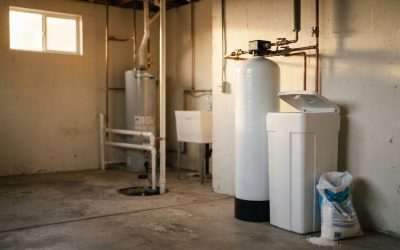
Installing and repairing water heaters sized for high-volume use
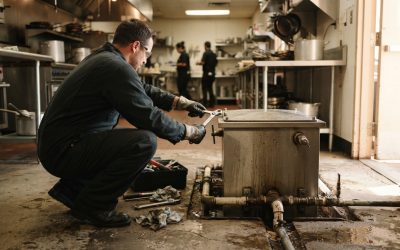
Maintaining grease traps and interceptors in food-service settings
Testing and servicing backflow prevention devices
Diagnosing and clearing main line or sewer blockages
Installing fixtures in restrooms, break rooms, and kitchens during renovations
Plumbing codes for commercial buildings are governed at the state and local level, and Texas follows amended versions of national model codes. The International Code Council maintains the plumbing code editions that many jurisdictions, including those in Texas, adopt and amend for local enforcement.
Signs a Facility Needs Professional Plumbing Support
Not every plumbing issue is obvious until it becomes a bigger problem. Facility managers should watch for warning signs before they escalate into closures or costly water damage.
Key indicators include:
- Slow drains across multiple fixtures, which often points to a main line issue rather than a single clog
- Unexplained increases in water bills, suggesting a hidden leak
- Low water pressure throughout the building
- Frequent water heater cycling or inconsistent hot water supply
- Backflow test failures or expired certification, which can trigger compliance issues
Addressing these signs early tends to cost less than emergency repairs after a failure. A plumber familiar with commercial systems can often identify the root cause during a single visit rather than treating symptoms repeatedly.
Comparing Maintenance Approaches for Commercial Properties
Facility managers generally choose between three maintenance strategies. Each has tradeoffs in cost, disruption, and long-term reliability.
Approach | Typical Use Case | Tradeoff |
|---|---|---|
Reactive repair | Fixing issues only after failure | Lower upfront cost, higher risk of downtime |
Scheduled inspections | Periodic checks on key systems | Predictable cost, catches issues early |
Full-service maintenance plan | Ongoing monitoring and priority response | Higher commitment, reduces emergency calls |
Buildings with food service, healthcare functions, or high occupancy generally benefit most from scheduled inspections or a maintenance plan, since unplanned shutdowns directly affect revenue and safety compliance.
Evaluating a Commercial Plumbing Provider
Choosing a provider goes beyond price comparisons. Facility managers should ask specific questions before committing to a service relationship.
Questions worth asking include:
Does the company carry a Texas plumbing license and appropriate insurance for commercial jobs?
What is the typical response time for urgent calls during business hours?
Can they provide references from other commercial or multi-tenant properties?
Do they offer documentation for backflow testing and other compliance requirements?
A provider that answers these questions clearly, without vague reassurances, is generally a safer long-term partner for a facility that cannot afford extended downtime.
Frequently Asked Questions
How often should a commercial building have its plumbing inspected? Inspection frequency depends on building use, but food-service and high-occupancy properties typically benefit from more frequent checks than standard office space.
What is backflow prevention and why does it matter? Backflow prevention devices stop contaminated water from flowing back into the clean water supply, a safeguard required by many local codes for commercial properties.
Can a residential plumber handle commercial plumbing work? Some overlap exists, but commercial systems often require different code knowledge, equipment, and experience with higher-capacity fixtures than typical residential jobs.
What should be included in a commercial plumbing service agreement? A clear agreement should outline response times, scope of covered repairs, inspection frequency, and documentation for any required compliance testing.
Finding the Right Fit for Your Facility
Selecting plumbing support for a commercial property comes down to verifying licensing, understanding response expectations, and choosing a maintenance approach that matches the building’s actual usage patterns. Facilities that treat plumbing as a scheduled priority rather than an emergency-only expense tend to avoid the costliest disruptions. New Braunfels Plumbing & Drain is one option for facility managers in the area evaluating local providers for ongoing commercial plumbing needs.