-
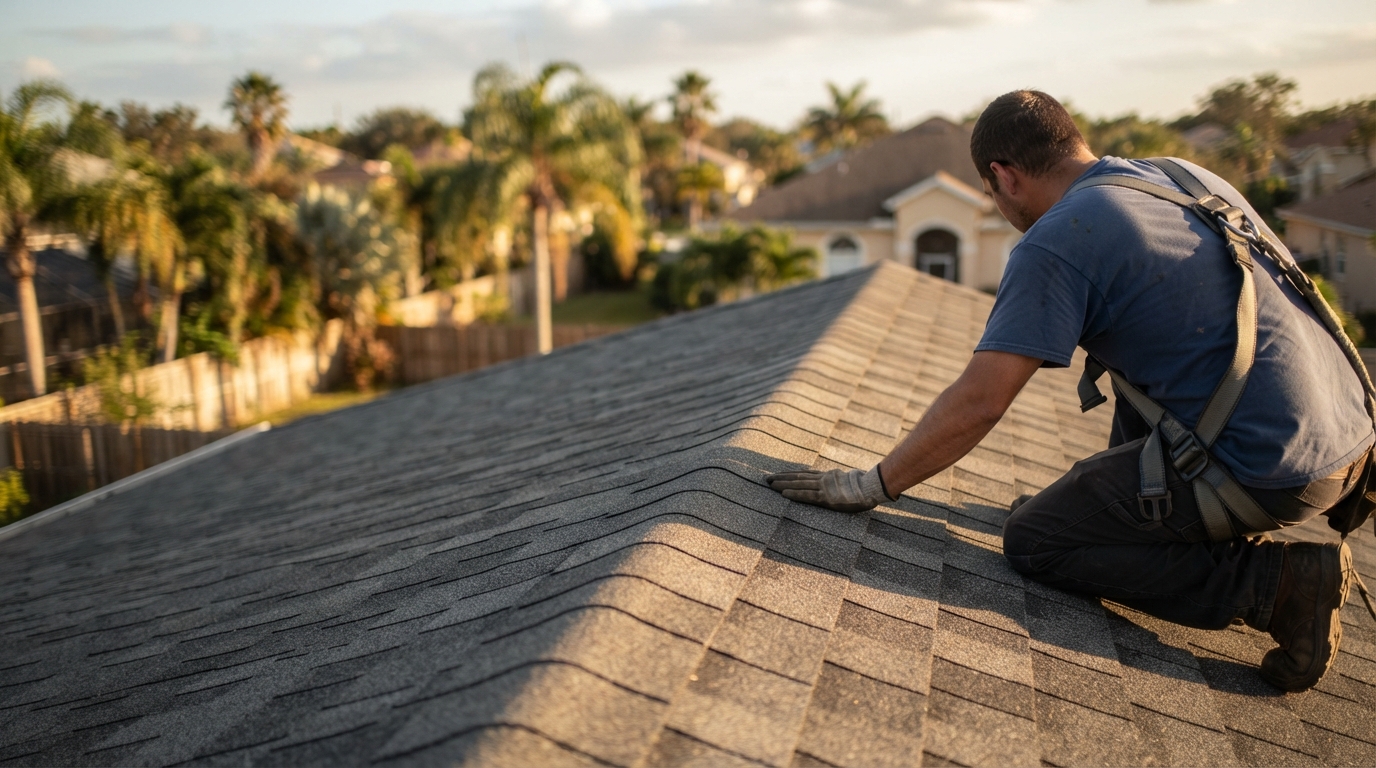
Homeowners in The Villages should match roofing materials to Florida’s wind and humidity demands while meeting Architectural Review Committee standards.
-
Asphalt shingle, metal, and tile systems each carry different cost, durability, and approval considerations for this community.
-
Working with a verified local installer helps ensure code compliance, proper permitting, and a roof built to last through Central Florida storm seasons.
Homeowners searching for a dependable roofing partner usually want one thing: a contractor who understands both Florida’s weather demands and The Villages’ strict community standards. A Local Residential Roofing Contractor in The Villages, FL needs to balance material performance, HOA compliance, and long-term durability in a region where intense sun and heavy rainfall accelerate roof wear.
Replacing a roof here is not the same as doing it in a milder climate. The Villages’ residential districts, from Mallory Square to Fenney, often fall under architectural review guidelines that dictate acceptable materials, colors, and profiles before any work begins.
What Drives Roof Replacement Decisions in The Villages
Several factors push homeowners toward replacement rather than repair. Understanding these helps set realistic expectations for timeline and cost.
-
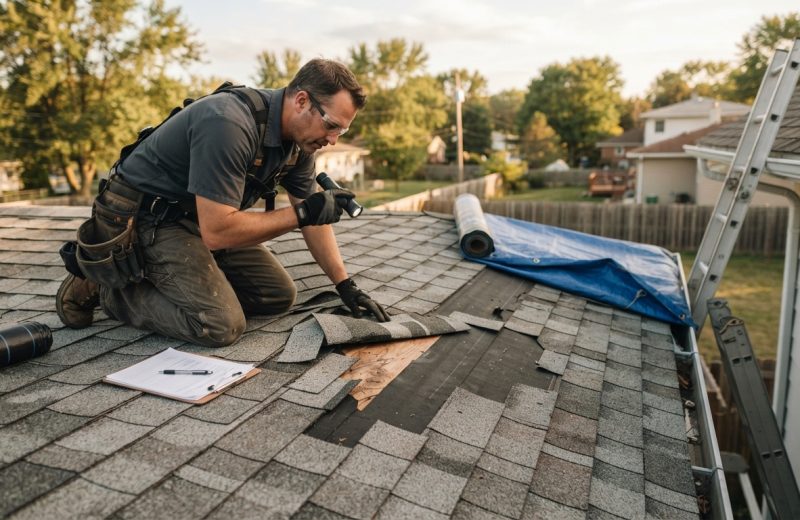
Age and material fatigue: Asphalt shingles typically show granule loss and curling after sustained UV exposure.
-
Storm exposure: Central Florida’s wind and rain cycles stress fasteners, flashing, and underlayment over time.
-
Code triggers: Florida’s building rules can require broader upgrades once a certain portion of a roof is damaged or replaced within a year.
Roofing contractors serving the area generally work with asphalt shingle and metal systems, since asphalt shingles are the most common choice and often the most straightforward to get approved through The Villages’ Architectural Review Committee. Metal roofing offers durability and energy efficiency in Florida’s heat, though some districts require prior ARC approval.
Comparing Common Roofing Materials for Florida Homes
Selecting a roofing system involves weighing upfront cost against long-term performance and HOA approval ease. Tile roofing suits the Spanish and Mediterranean architectural styles found near Spanish Springs and Brownwood, making it a visual fit for certain neighborhoods even though it is not the most common installation.
|
Material |
ARC Approval Ease |
Climate Suitability |
Typical Use Case |
|
Asphalt Shingle |
Generally straightforward |
Good, standard UV and wind resistance |
Most common residential choice |
|
Metal |
May require district approval |
Strong heat and wind performance |
Energy-conscious homeowners |
|
Tile |
Varies by district |
Well suited to humidity and heat |
Spanish/Mediterranean-style homes |
Permitting, Code Compliance, and Inspection Basics
Roof replacement in Florida is governed by state-level building code requirements that apply regardless of which municipality or community a home sits in. Homeowners can verify product approvals and review current code requirements through the Florida Building Codes and Standards program, which maintains the state’s official product approval and code database.
Before work begins, it helps to confirm the following:
- Permit requirements: Most reroofing projects require a local building permit tied to Florida Building Code standards.
- Material approval: Roofing products used in Florida must carry a valid state product approval number.
- Inspection scheduling: Deck attachment and dry-in stages typically require inspection before final roofing material is installed.
- HOA documentation: The Villages’ architectural guidelines may require separate submission before, during, or after the permit process.
Skipping any of these steps can delay a project or create complications with future insurance claims, so confirming requirements early saves time later.
Choosing a Roofing Partner for Long-Term Performance
A roof replacement is a long-term investment, so the contractor selection matters as much as the material choice. Homeowners should look for a company with documented local project history, clear communication about permitting, and willingness to explain material tradeoffs rather than pushing one option.
-
Ask for a written scope that specifies material brand, underlayment type, and fastening method.
-
Confirm the contractor pulls permits directly rather than leaving that step to the homeowner.
-
Request a free inspection before committing to a full replacement quote.
(Scott Allen Roofing) has built its service model around these fundamentals, offering residential roofing installation, replacement, and repair for shingle and metal systems in The Villages and surrounding Central Florida communities. The company’s approach centers on matching material choice to both climate demands and community appearance standards before work begins.
Frequently Asked Questions
How do I know if I need a full roof replacement instead of a repair? A licensed inspection is the most reliable way to determine this. If damage affects a large portion of the roof or the decking has deteriorated, replacement is usually more cost-effective than repeated repairs.
Does The Villages require special approval for roofing materials? Yes. Many residential districts require submission to the Architectural Review Committee before installation, particularly for metal roofing in certain neighborhoods.
How long does a typical residential roof replacement take? Timelines vary based on home size, material, and weather, but most single-family residential replacements are completed within a few days once permitting and material delivery are finalized.
What roofing materials hold up best in Central Florida’s climate? Asphalt shingles remain the most common due to approval ease and cost, while metal roofing offers stronger heat and wind performance for homeowners willing to navigate additional district approval.
Replacing a roof in The Villages means balancing durability, appearance standards, and Florida’s building code requirements all at once. Homeowners who start with a clear understanding of material options and permitting steps are better positioned to avoid delays and unexpected costs. Reviewing current product approvals, confirming HOA guidelines early, and working with a contractor experienced in the community’s specific requirements all contribute to a smoother project from inspection to final sign-off.