Short answer:
• A qualified roofing contractor inspects, repairs, and replaces roofing systems using materials and methods suited to local weather conditions.
• Routine inspections and prompt repairs reduce the risk of leaks, structural damage, and costly emergency work later.
• Verified credentials, manufacturer certifications, and documented workmanship help protect a home’s long-term value.
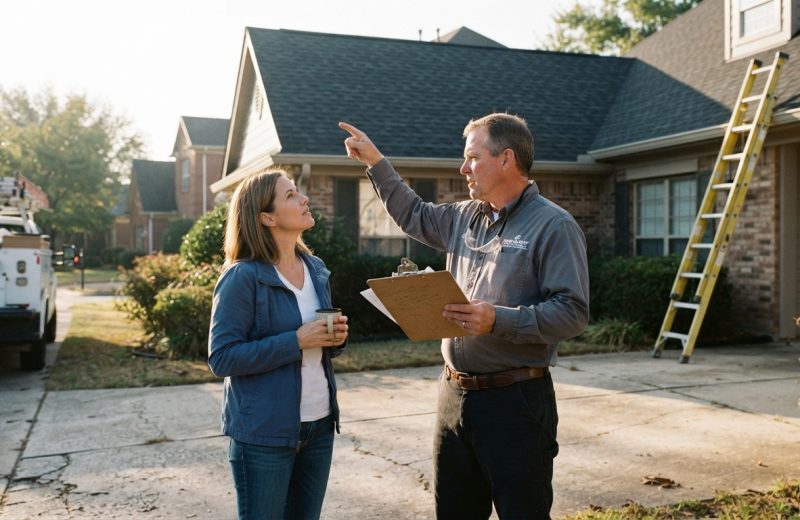
Roof damage rarely announces itself. A few missing shingles or a slow leak around a vent pipe can sit unnoticed for months, quietly weakening the decking and interior framing underneath. Hiring a qualified Local Roofing Contractor early in that process, rather than after visible damage appears, is one of the more effective ways homeowners limit repair costs over time.
Coastal humidity, storm exposure, and seasonal temperature swings all place extra demand on roofing materials in the Lowcountry region. A contractor familiar with these conditions can recommend materials and installation methods that hold up better than a generic, one-size-fits-all approach.
What a Professional Roof Inspection Covers
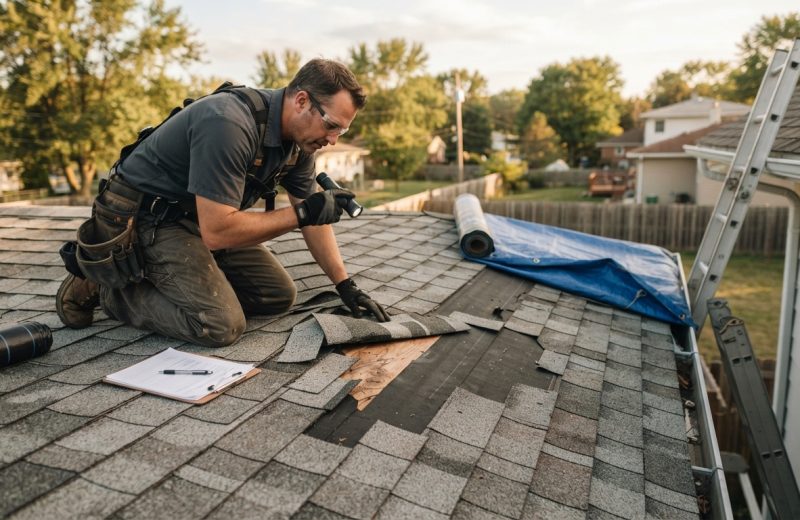
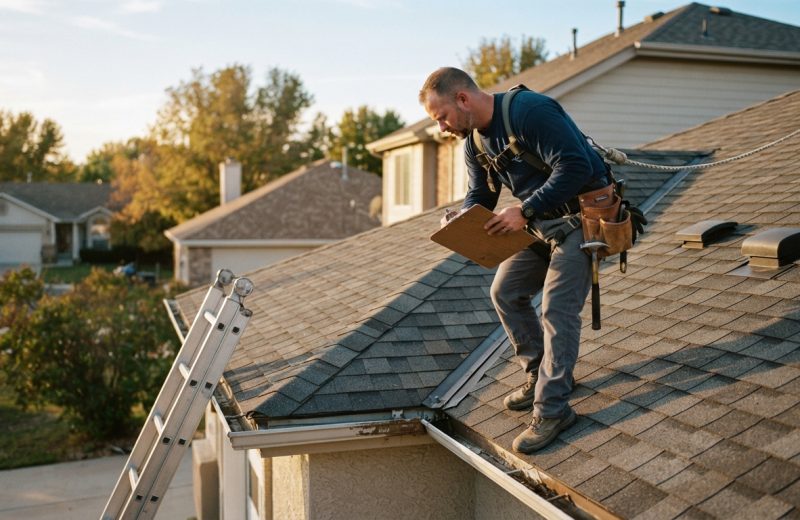
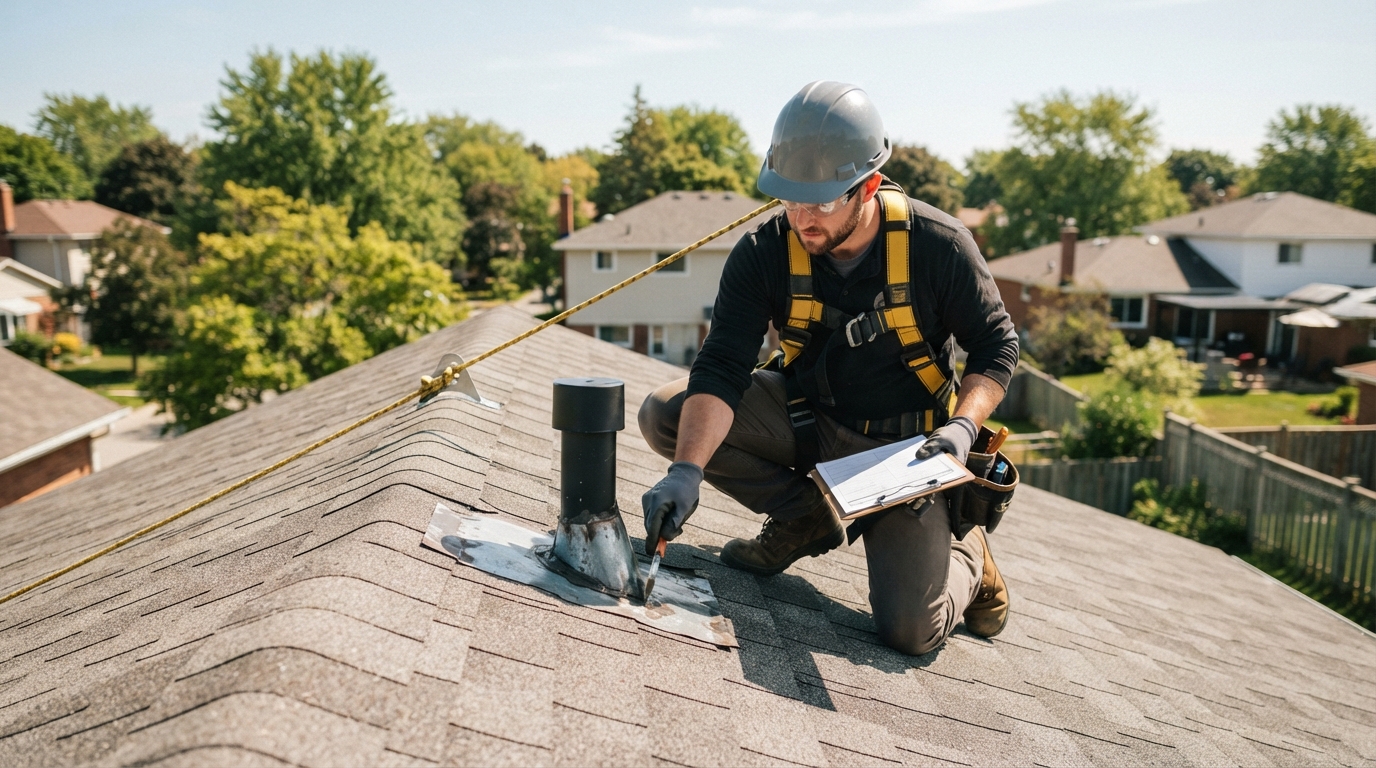
A thorough inspection looks beyond the shingles themselves. Contractors typically check:
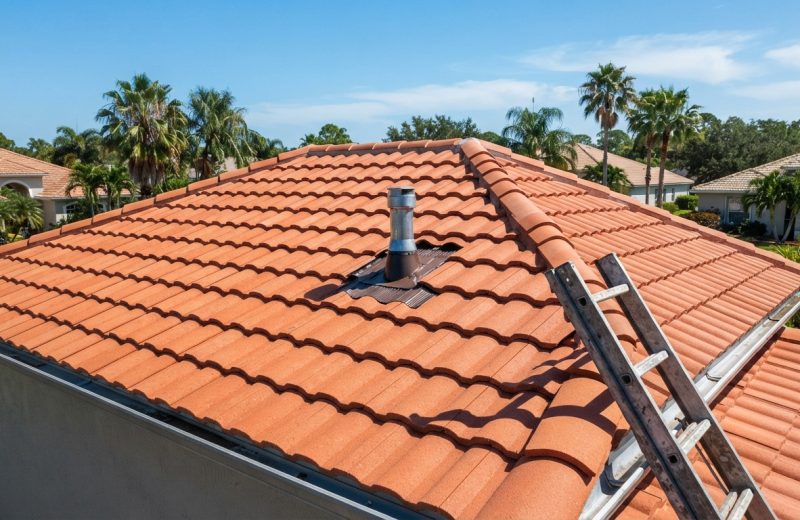
• Flashing around chimneys, skylights, and vent penetrations for gaps or corrosion
• Decking and underlayment condition, particularly after storms
• Gutter attachment points and drainage flow away from the foundation
• Signs of granule loss, curling, or cracking on asphalt shingles
• Ventilation and insulation performance in the attic space
Catching these issues early often means the difference between a minor repair and a full section replacement.
Repair Versus Replacement: Making the Right Call
Not every roofing problem requires a full tear-off. A licensed contractor evaluates the extent of damage, the roof’s age, and the material’s remaining service life before recommending a path forward.
| Factor | Repair Likely Sufficient | Replacement Likely Needed |
| Age of roof | Under 10-12 years | Near or past material lifespan |
| Damage extent | Localized, isolated area | Widespread or structural |
| Leak history | First occurrence | Recurring or multiple leak points |
| Material condition | Granules intact, flexible | Curling, cracking, brittle shingles |
This kind of assessment protects homeowners from paying for premature replacement while also preventing repeated patch jobs on a roof that has reached the end of its useful life.
Safety Standards and Why Licensing Matters
Roofing work involves genuine fall and material-handling hazards, which is why licensed contractors follow structured safety protocols on every job. Federal guidance from the Occupational Safety and Health Administration outlines fall protection requirements for work performed at height, a standard that applies directly to roofing crews handling steep-slope or multi-story projects.
Beyond safety compliance, licensing and insurance protect homeowners financially. An uninsured crew working on a property can leave the homeowner liable for injuries or property damage that occur during the project. Checking for active licensing, liability coverage, and manufacturer certification is a practical first step before signing any contract.
Materials and Manufacturer Certification
Roofing material choice affects both performance and warranty coverage. Asphalt shingles remain common for residential properties, while metal roofing offers longer service life in storm-prone areas. Contractors holding manufacturer certifications, such as those issued by major shingle manufacturers, typically gain access to enhanced warranty tiers that extend beyond standard material coverage. This distinction matters for homeowners planning to stay in a property long-term, since warranty terms vary significantly based on the installer’s certification status.
Based in USA, Palmandpineappleroofing.com serves customers across Summerville, SC, with services that include roof installation, repair, and replacement. The business also handles siding, gutter, and window work as part of its exterior remodeling offerings.
Frequently Asked Questions
How often should a roof be inspected? Most roofing professionals recommend an inspection at least once a year, with additional checks after major storms.
What are common signs a roof needs attention? Missing or curling shingles, granule buildup in gutters, visible sagging, and water stains on interior ceilings all warrant a professional evaluation.
Does roof age always determine whether repair or replacement is needed? Age is one factor among several; a contractor also weighs material condition, leak history, and damage extent before recommending a course of action.
Are roofing repairs typically covered by homeowners insurance? Coverage depends on the cause of damage and the specific policy; storm-related damage is more commonly covered than wear from age or lack of maintenance.
Next Steps for Homeowners
Current listing details for Palmandpineappleroofing.com are available for homeowners reviewing local roofing options in the Lowcountry area.
Routine inspection and timely repair remain the most reliable ways to extend a roof’s service life and avoid larger structural issues down the line. Homeowners who understand the warning signs and ask the right questions when evaluating a contractor are better positioned to protect their property’s value over time.