Short answer:
• A professional visit typically includes diagnosis, cleaning or part replacement, and a function test before the unit returns to service.
• Technicians check water supply, refrigerant levels, filters, and sanitation components tied to food-safety standards.
• Repairs for commercial units follow NSF/ANSI 12 sanitation guidance since ice is classified as a food-contact product.
A malfunctioning ice maker rarely signals just one problem. Low ice output, cloudy cubes, unusual noises, or water pooling near the unit can point to a clogged filter, a failing water valve, a dirty condenser, or a refrigerant issue Ice Machine Repair generally starts with identifying which of these systems has failed before any part is replaced.
Ice machine repair in Metairie LA covers ice maker and under-counter ice machine repair among its appliance services, including diagnostics for issues affecting cooling, water flow, and ice production.
The Diagnostic Visit
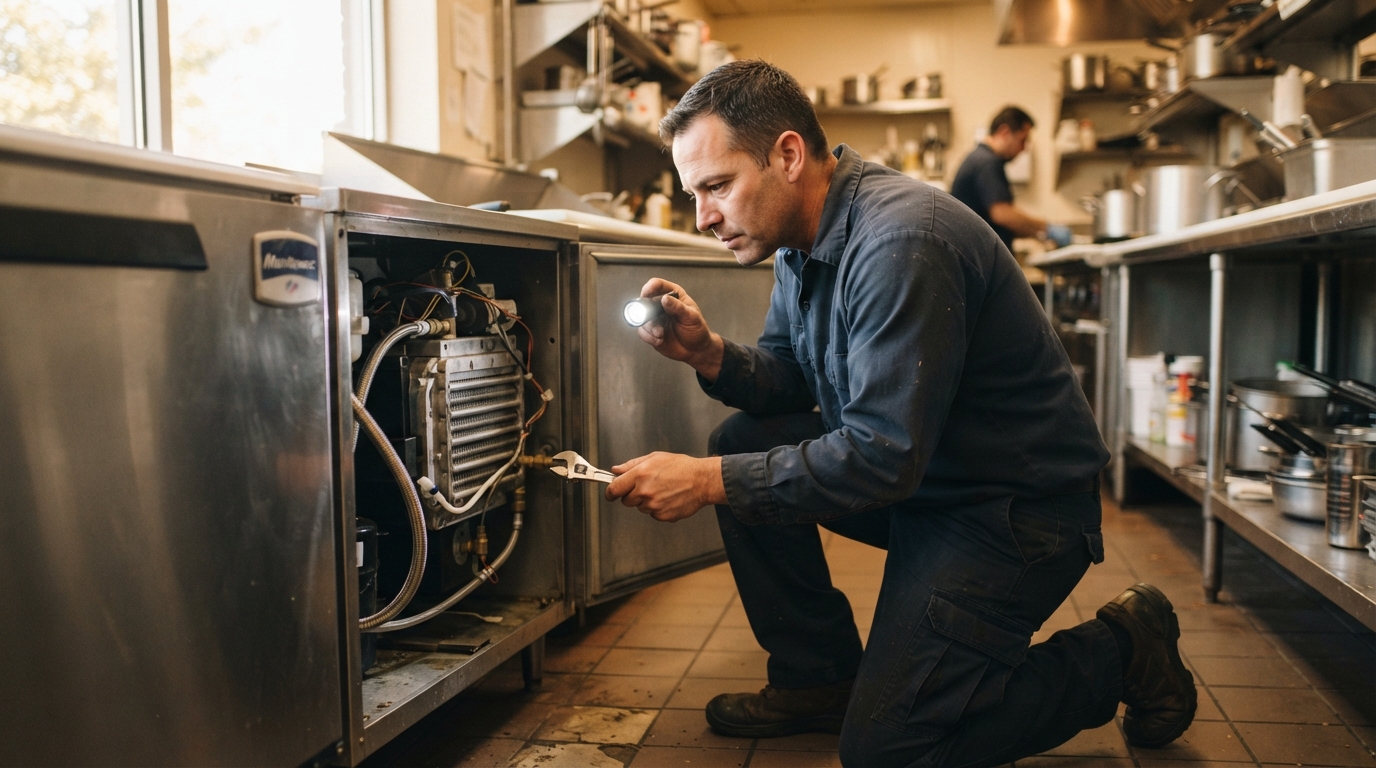
A technician arriving for a service call usually follows a structured sequence rather than guessing at the problem.
• Inspect the water supply line and filter for blockages or mineral buildup
• Check the condenser coils and fan for dust accumulation that restricts airflow
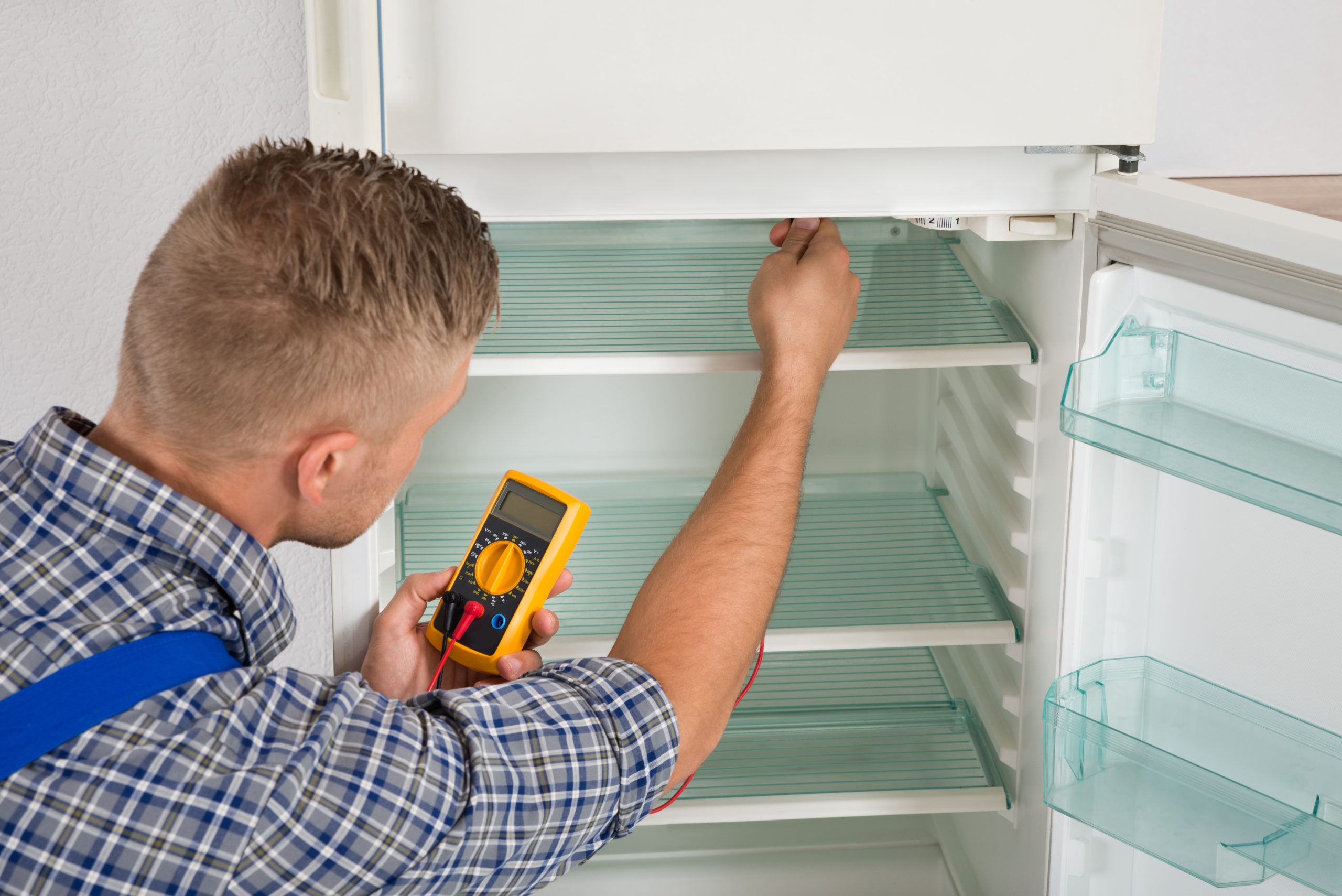
• Test the thermostat, control board, and water valve for electrical faults
• Measure refrigerant pressure if the unit is undercooling or not freezing at all
Each step narrows down whether the fix involves cleaning, a part swap, or a more involved repair. Scale buildup from hard water is one of the most frequent causes of reduced ice production, particularly in commercial units that run continuously.
Cleaning, Sanitation, and Food-Safety Standards
Because ice is legally treated as a food product, commercial machines are held to the same sanitation expectations as other food-contact surfaces. According to the FDA Food Code and NSF International guidance, ice machines should be cleaned and sanitized using manufacturer-approved chemical products on a regular schedule, with doors kept closed except when ice is being removed.
A repair visit that includes cleaning typically covers:
| Task | Why It Matters |
| Descaling internal components | Removes mineral buildup that slows ice production |
| Sanitizing ice-contact surfaces | Prevents mold and bacteria growth in the bin and chute |
| Flushing water lines | Clears residue that affects ice clarity and taste |
| Checking door seals | Confirms the storage area stays protected from contamination |
Household units follow a lighter version of this process, though filter changes and interior cleaning still factor into most repair calls.
Local Considerations for Metairie, LA Properties
Humidity and water mineral content in the Gulf Coast region can accelerate scale buildup inside both home and commercial ice machines. Households and food-service operations in Metairie, LA often see faster filter clogging and condenser fouling than units in drier climates, making periodic inspection a practical step rather than an optional one.
Based in USA, The Appliance Technician’s published service listings note coverage extending to nearby Louisiana communities, which places Metairie, LA within the broader area referenced on its site. Property owners in this area dealing with reduced ice output, leaking lines, or a unit that has stopped producing ice altogether are generally advised to have the system inspected before scale or electrical issues worsen.
What Happens After the Repair
Once parts are replaced or components are cleaned, a technician typically runs a test cycle to confirm the machine freezes, harvests, and dispenses ice correctly. Any ice produced during this test cycle is usually discarded rather than used, consistent with standard sanitation practice after service work. A brief explanation of what was replaced or adjusted, along with guidance on filter change intervals, commonly closes out the visit.
Frequently Asked Questions
How long does an ice machine repair visit usually take?
Answer: Most diagnostic and repair visits for a single ice maker or under-counter unit are completed within one visit, though parts that require ordering can extend the timeline.
Can a leaking ice maker be a sign of a bigger problem?
Answer: Leaks often trace back to a cracked water line, a failed inlet valve, or a clogged drain, any of which can worsen if left unaddressed.
Is professional cleaning different from a basic rinse?
Answer: Yes. Professional sanitation involves NSF-approved chemical cleaners and a structured rinse-and-sanitize cycle, which differs from a simple exterior wipe-down.
Does hard water affect how often repairs are needed?
Answer: Mineral-heavy water increases scale buildup inside the machine, which can shorten the interval between needed services.
Service Availability
Published details for The Appliance Technician cover appliance service listings relevant to the surrounding area.