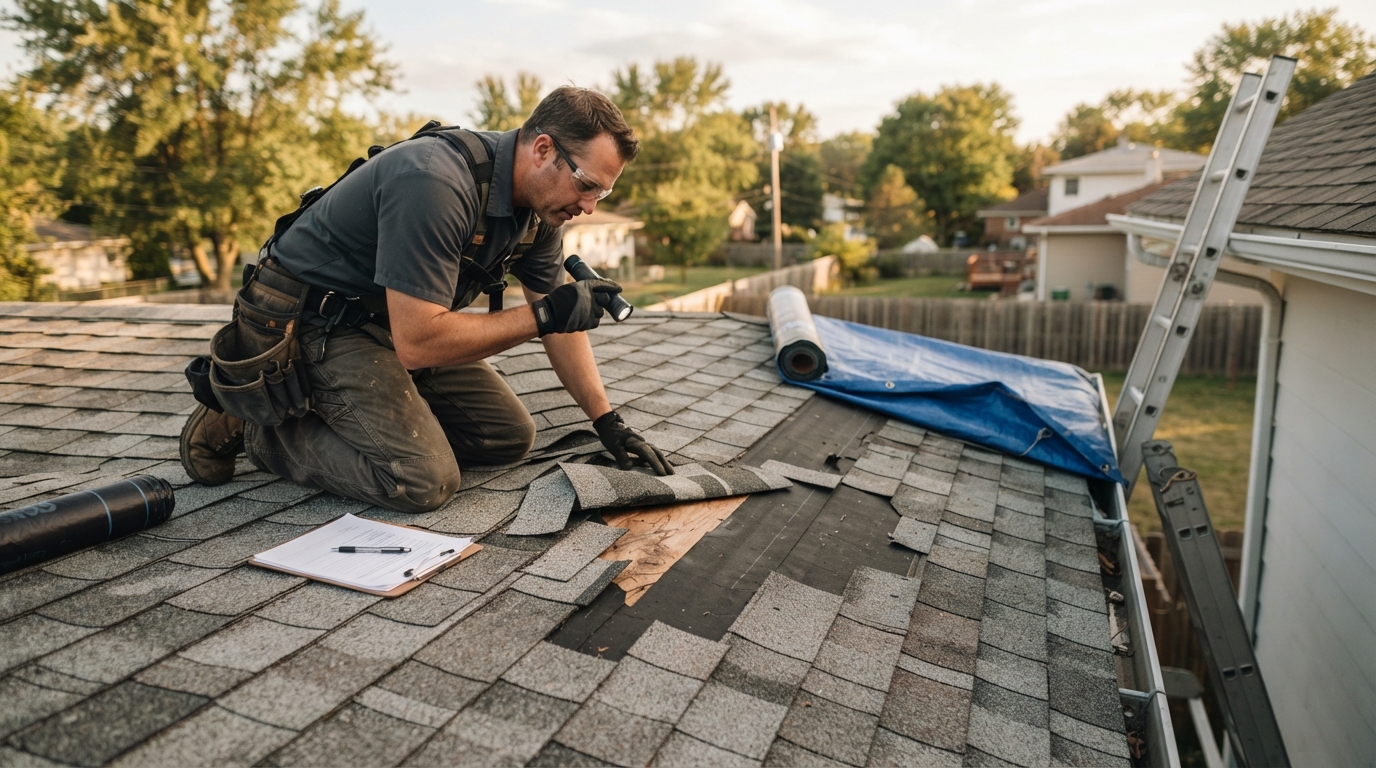
Short answer:
- Active leaks, sagging roof sections, missing shingles after a storm, and visible daylight through the attic are signs that warrant emergency roof repair.
- Temporary measures like tarping and shutting off power near water intrusion can limit damage while a licensed contractor is contacted.
- Homeowners in Orinda, CA should document damage and arrange a professional inspection as soon as a hazard is identified.
A sagging ceiling, sudden interior water stains, or shingles scattered across a yard after a windstorm are the clearest indicators that a roof problem has moved from routine maintenance into emergency territory. These situations call for immediate assessment because delayed action often turns a contained leak into structural damage, mold growth, or compromised insulation.
Homeowners searching for Emergency Roof Repair are typically dealing with an active threat to the building envelope rather than a cosmetic issue. Recognizing the difference between a problem that can wait for a scheduled inspection and one that requires same-day attention helps limit both repair costs and interior damage.
Warning Signs That Point to an Emergency
Not every roofing issue requires an urgent response, but certain conditions signal that water or structural integrity is already compromised.
- Water actively dripping or pooling inside the home, especially during or after rainfall
- Visible sagging in the roofline or ceiling, which can indicate structural stress
- Missing, cracked, or curling shingles following high winds or hail
- Daylight visible through attic boards or roof decking
- Debris, such as fallen tree limbs, resting directly on the roof surface
- A musty odor or new discoloration on interior walls and ceilings
Any one of these conditions suggests water or physical damage has already breached the roof’s protective layers. Multiple signs appearing together usually mean the damage is more extensive than it appears from the ground.
What Qualifies as a True Roofing Emergency
Distinguishing between urgent and non-urgent roof issues helps homeowners decide how quickly to act and what kind of response is appropriate.
| Situation | Response Needed | Risk Level |
|---|---|---|
| Active interior leak during rain | Same-day inspection and temporary containment | High |
| Storm-damaged or missing shingles, no leak yet | Inspection within 24-48 hours | Moderate |
| Minor granule loss or small cracks | Scheduled repair, non-urgent | Low |
| Fallen tree limb on roof structure | Immediate assessment for structural safety | High |
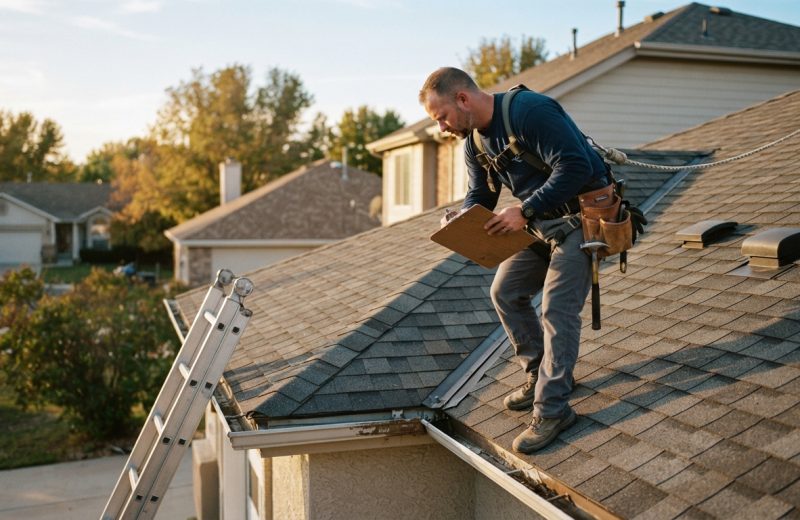
Roofing work at height carries real safety risks for anyone attempting self-repair. According to OSHA fall protection standards, workers performing tasks less than six feet from a roof edge must be protected by a guardrail, safety net, or personal fall arrest system, which underscores why rooftop inspections after storm damage are better left to trained professionals with proper equipment.
Steps to Take Before a Professional Arrives
Quick, cautious action in the hours after discovering roof damage can reduce the extent of secondary harm to a home’s interior.
- Move furniture, electronics, and valuables away from the affected area.
- Place buckets or containers to catch dripping water and protect flooring.
- Photograph visible damage from both inside and outside the home for insurance documentation.
- Avoid walking on the roof or attempting repairs without fall protection equipment.
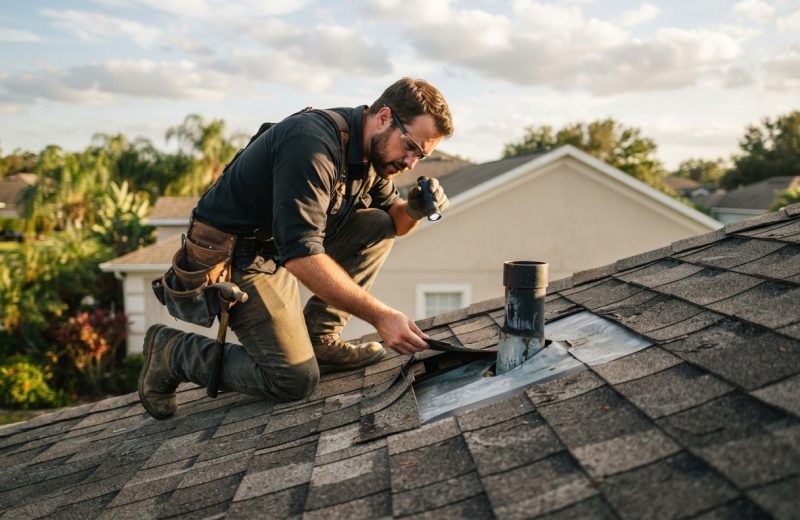
- Contact a licensed roofing contractor to schedule an inspection and temporary stabilization.
These steps are meant to limit damage, not replace a professional evaluation. Attempting to patch a roof without proper training or equipment often creates additional hazards.
Local Considerations for Orinda Homeowners
Homes in Orinda, CA face seasonal rain events and wind exposure from surrounding hillside terrain, conditions that can accelerate wear on aging shingles or flashing. Regular inspections before the rainy season, paired with prompt attention to minor issues like loose flashing or clogged gutters, reduce the likelihood that a small problem escalates into an emergency repair situation.
Frequently Asked Questions
How quickly should a roof leak be addressed? An active leak should be addressed the same day it is discovered, since continued water intrusion can damage insulation, drywall, and structural framing.
Can a damaged roof be temporarily covered until repairs are scheduled? Temporary tarping is a common short-term measure used by roofing professionals to prevent further water entry while a permanent repair plan is arranged.
What causes most roofing emergencies? Storm damage, fallen debris, and age-related wear on flashing or shingles are among the most common triggers for emergency repair calls.
Is it safe to inspect roof damage personally? Walking on a damaged or wet roof without fall protection equipment carries significant injury risk, so visual inspection from the ground or through a window is generally safer than climbing onto the structure.
LFP Roofing, serving the Orinda, CA area, provides roof repair and related services for residential properties, with additional details available through its LFP Roofing Google Business Profile.
Getting a Professional Assessment
A prompt inspection after signs of roof damage helps clarify the scope of repair needed and whether temporary measures are sufficient until permanent work can begin. Current availability details for LFP Roofing are published for the local service area.