Key takeaway:
- Fire damage restoration removes soot, smoke residue, and structural hazards before they cause long-term deterioration.
- Quick action within the first 24 to 48 hours limits corrosion, odor penetration, and secondary water damage from firefighting efforts.
- Licensed restoration follows structured phases: assessment, containment, cleaning, and rebuilding.
Fire damage restoration is the structured process of removing smoke, soot, and water residue from a property, then repairing or rebuilding affected structures to restore a safe living environment. It addresses both visible destruction and hidden hazards such as weakened framing, contaminated air, and residual odor that can persist for months without proper treatment.
Homeowners who search for fire damage restoration are often dealing with an active emergency or recent loss, where every hour matters. Acidic soot particles begin etching metal surfaces, discoloring finishes, and corroding appliances within hours of a fire being extinguished, which is why professional intervention on a predictable timeline matters more than any single cleaning technique.
Why Timing Determines the Outcome
Fire damage rarely stays contained to the room where it started. Smoke travels through HVAC ducts, wall cavities, and attic spaces, carrying soot particles that settle on surfaces far from the original source.
Several factors compound the damage the longer cleanup is delayed:
- Soot residue becomes more acidic over time, increasing permanent staining on fabrics, grout, and painted surfaces.
- Water used to extinguish flames can seep into subflooring and drywall, creating conditions for mold growth within 24 to 48 hours.
- Odor compounds bond to porous materials like upholstery and insulation, making removal harder the longer they sit.
For residents of Miami Beach, FL, humidity adds another layer of urgency. Warm, moist coastal air accelerates mold colonization in water-damaged materials, a concern the Environmental Protection Agency notes is tied directly to how quickly a space is dried out after water exposure.
The Core Phases of Professional Restoration
A structured restoration process generally follows four phases, each building on the work completed before it.
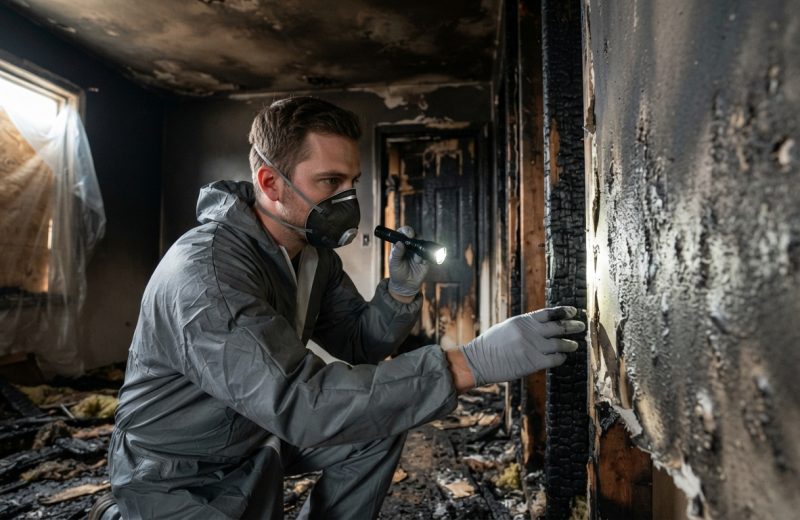
- Inspection and damage assessment – Technicians evaluate structural integrity, smoke penetration, and water saturation before any cleanup begins.
- Containment and board-up – Damaged openings are sealed to prevent weather intrusion, pests, and further contamination while work proceeds.
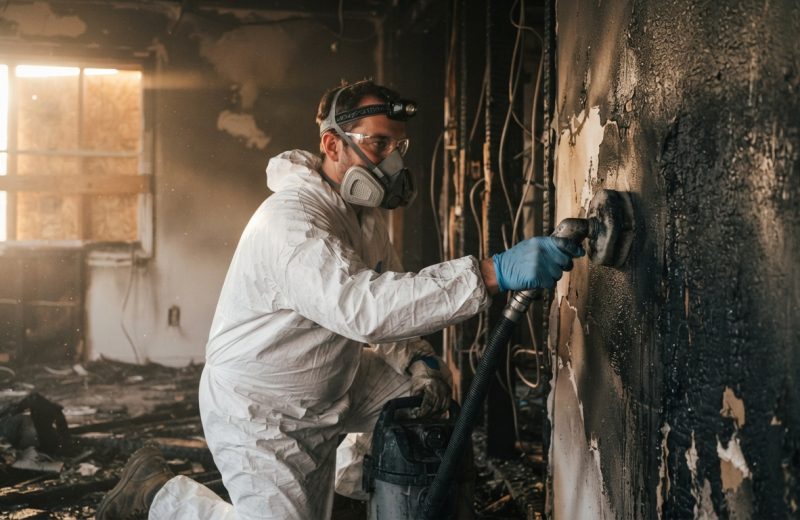
- Soot and smoke removal – Specialized cleaning agents and equipment lift residue from walls, ceilings, ductwork, and belongings.
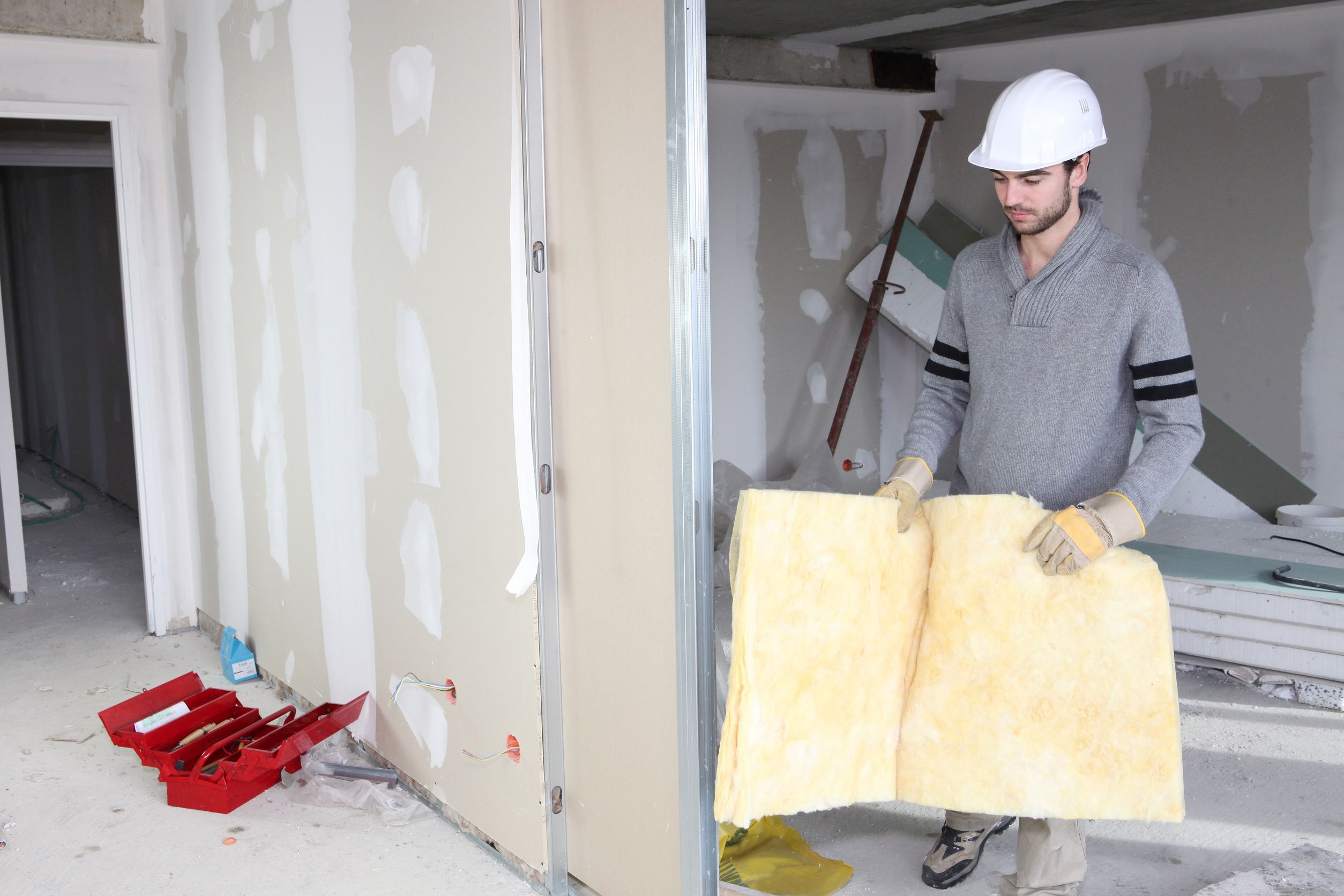
- Structural repair and rebuild – Framing, drywall, flooring, and finishes are replaced or restored to pre-loss condition.
Each phase depends on accurate documentation, since insurance claims typically require a clear record of pre-existing conditions versus fire-related damage.
DIY Cleanup vs Professional Restoration
Many homeowners attempt partial cleanup themselves before realizing the scope of hidden damage. The comparison below outlines where the two approaches diverge.
| Factor | DIY Cleanup | Professional Restoration |
| Soot and odor removal | Surface-level, often incomplete | Deep cleaning with commercial-grade equipment |
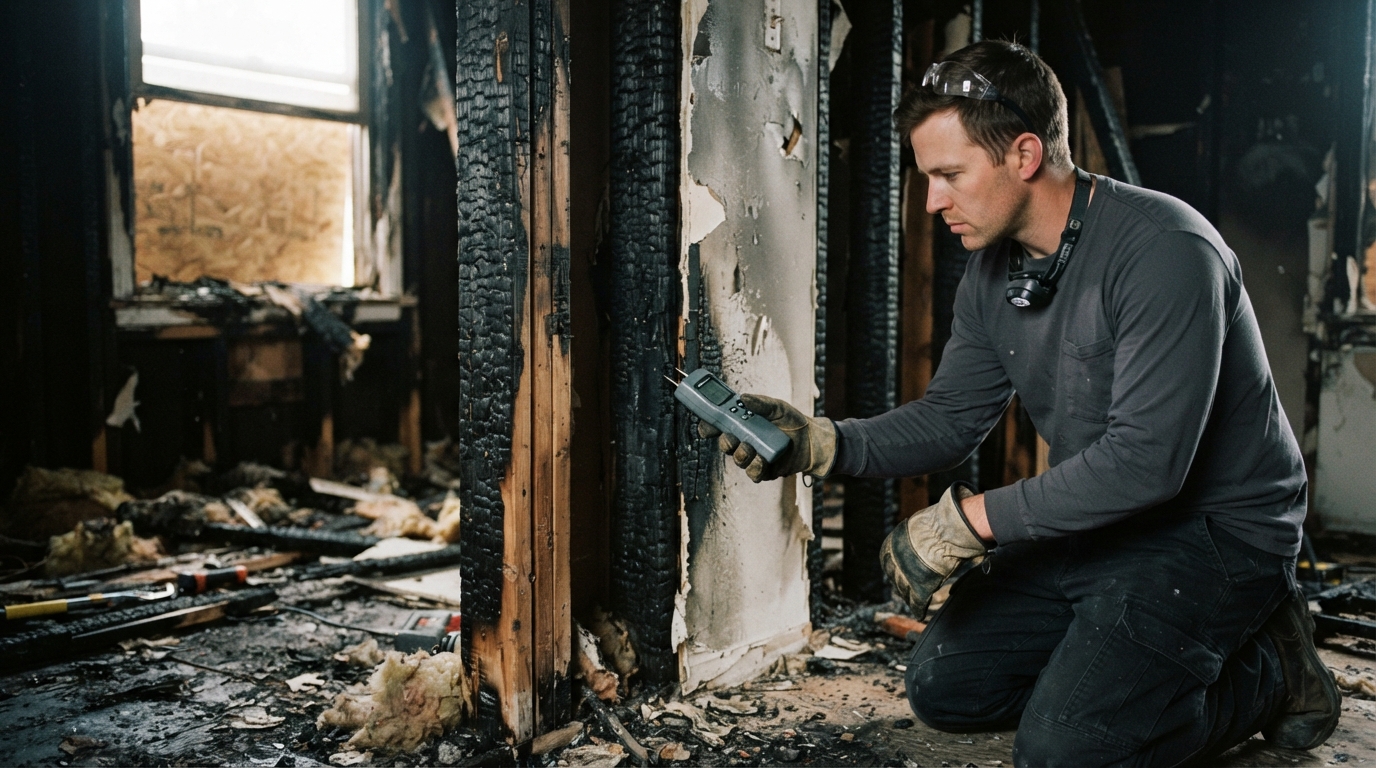
| Structural assessment | Visual only, no moisture testing | Moisture meters and structural evaluation |
| Mold prevention | Limited, reactive | Proactive drying and dehumidification |
| Insurance documentation | Informal, may lack detail | Detailed reports supporting claims |
The gap widens significantly when water damage from firefighting is involved, since untreated moisture inside wall cavities is invisible without proper testing tools.
Protecting a Coastal Property Long-Term
Homes in Miami Beach, FL face compounding risks after a fire because of the region’s humidity and proximity to saltwater air, both of which accelerate corrosion on exposed metal fixtures and electrical components. Addressing these risks requires drying protocols calibrated for coastal conditions rather than generic cleanup methods.
Rebuilding materials also matter. Using moisture-resistant drywall, treated framing, and corrosion-resistant fasteners during reconstruction reduces the likelihood of repeat damage from the area’s year-round humidity levels.
Frequently Asked Questions
How soon should restoration begin after a fire? Work should begin within 24 to 48 hours to limit soot corrosion, water intrusion, and the onset of mold growth in affected materials.
Can smoke odor be fully removed from a home? Persistent odor can usually be eliminated through deep cleaning, sealing porous materials, and specialized air treatment, though severely saturated items like carpet padding may require replacement instead.
Does homeowners insurance typically cover fire damage restoration? Most standard homeowners policies cover fire damage, though coverage details, deductibles, and documentation requirements vary by policy and should be confirmed directly with the insurer.
What is the difference between smoke damage and fire damage? Fire damage refers to direct structural destruction from flames, while smoke damage involves residue, odor, and discoloration that can spread to areas the fire never physically reached.
Local Service Information
Based in Miami, FL, Indoor Environmental Services serves customers across Miami Beach, FL. Current availability details for Click Here are published for the local service area.