A fire can damage areas far beyond the rooms where flames were visible. Fine soot may settle throughout a home, while smoke odors can remain in fabrics, wall cavities, and ventilation systems long after the fire is out. Property owners searching online for Fire Restoration Services often want a safe, systematic way to address both problems and prevent further damage.
The cleanup process depends on what burned, how far smoke traveled, and which materials absorbed residue. Soot is not simply dust: its composition varies, and improper handling can spread particles or drive them deeper into porous surfaces. A careful restoration plan therefore begins with safety and assessment, then proceeds through removal, cleaning, and odor treatment.
1. Secure the Property and Address Safety
Before cleanup begins, confirm the building is safe to enter. Fire may weaken structural components, damage electrical systems, or leave hidden hot spots. If officials or qualified professionals have restricted access, follow their instructions. Do not operate equipment or restore utilities until the appropriate systems have been inspected.
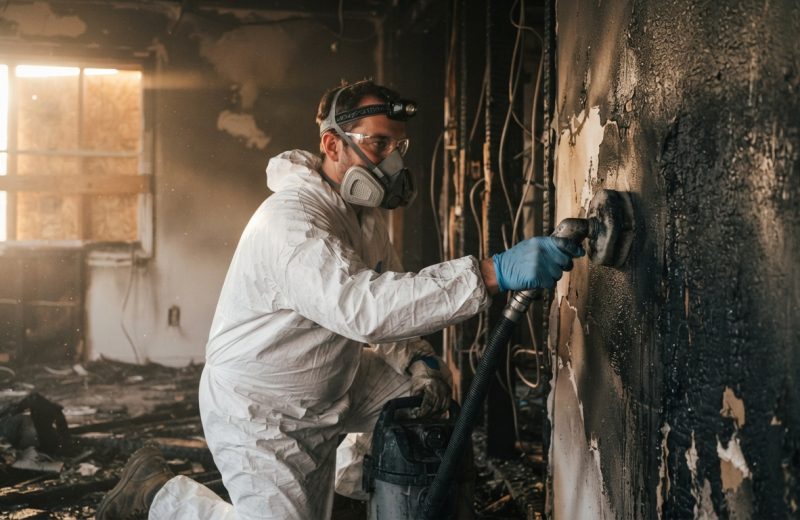
Once entry is cleared, responders should use suitable protective equipment, including gloves, eye protection, and respiratory protection appropriate to the conditions. Keep children, pets, and unprotected occupants away from affected areas. Soot can irritate the eyes and respiratory tract, and fire residue may contain harmful substances depending on the materials involved.
2. Document Damage and Identify Residue
A thorough inspection helps determine the scope of work and guides decisions about cleaning or replacement. Restoration professionals typically check ceilings, walls, flooring, furnishings, and concealed spaces where smoke may have traveled. They also look for water damage from firefighting, which can create additional problems if materials remain damp.
Take photographs and keep written records before moving or discarding damaged items. This documentation can support insurance discussions and help track which areas have been addressed. The inspection should distinguish between dry, powdery soot and greasy or damp residue; each requires a different cleaning approach.
3. Remove Loose Soot Without Spreading It
The first removal stage generally focuses on dry particles. Ordinary sweeping or household vacuuming can send soot back into the air or smear it across surfaces. Professionals use equipment fitted with high-efficiency filtration and suitable attachments to collect loose residue carefully.
On walls and ceilings, specialized dry-cleaning sponges may lift certain types of soot without adding moisture. Apply them with controlled strokes, and replace or reposition them as they become soiled. Rubbing aggressively, using a wet cloth too early, or applying an untested cleaner can make staining worse. Evaluate porous materials and delicate finishes before treatment.
4. Clean Surfaces Using Material-Specific Methods
After removing loose soot, treat remaining residue with cleaners suited to the surface and the type of contamination. Hard, nonporous materials may tolerate damp cleaning, while painted drywall, natural stone, wood, and textiles require more cautious methods. A small test area helps reveal whether a product could discolor or damage the finish.
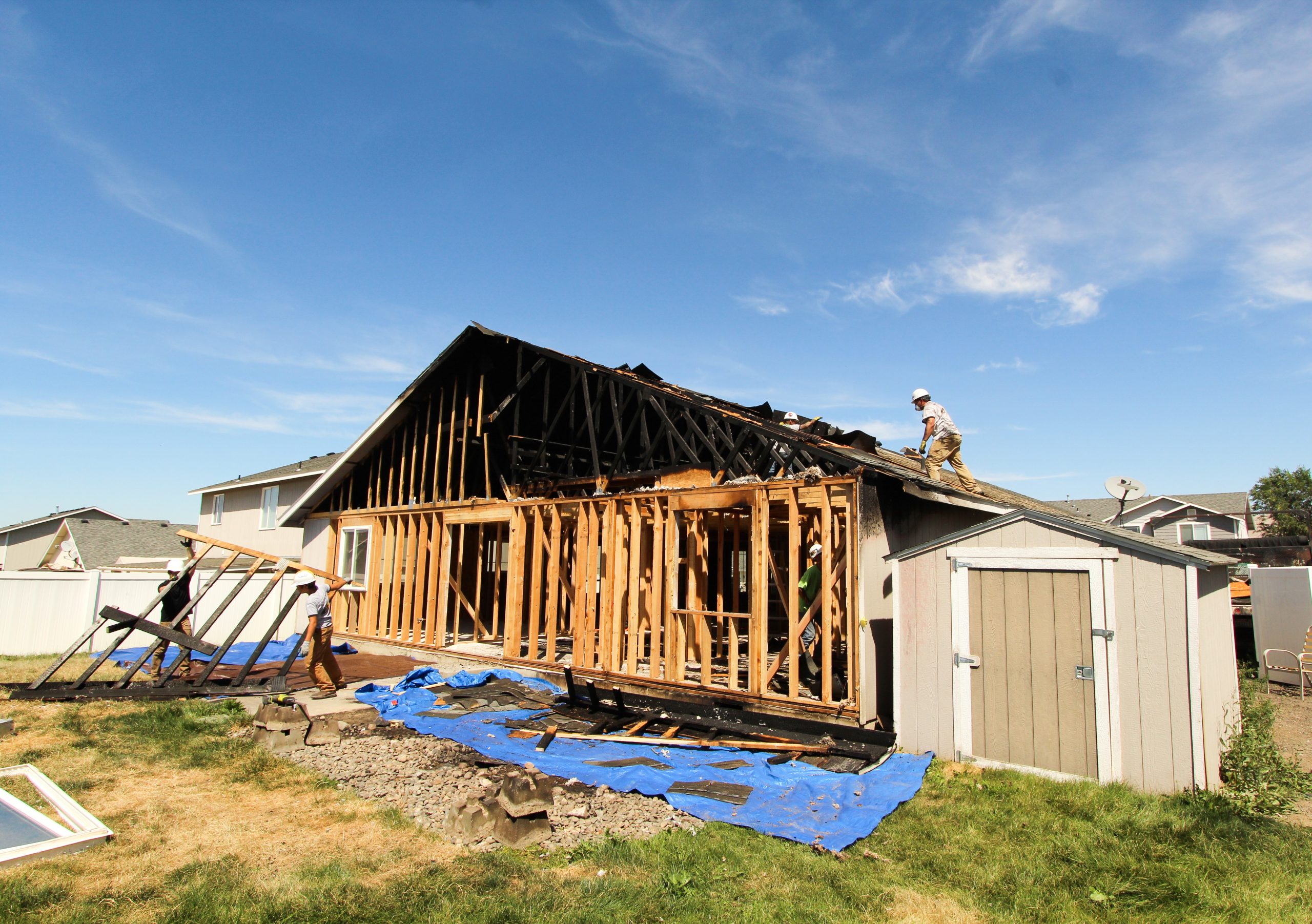
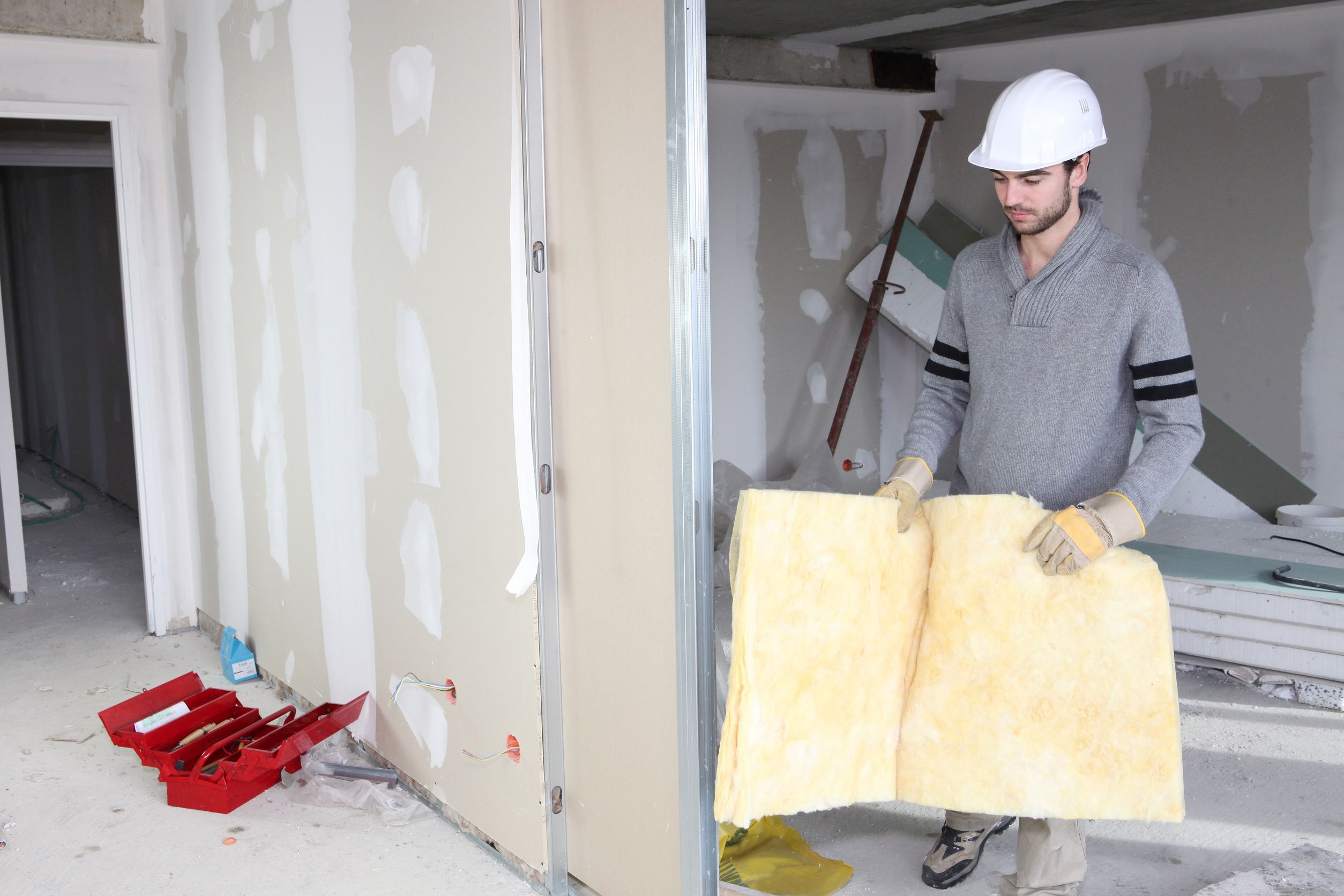
Cleaning often proceeds from higher surfaces downward so falling particles do not contaminate completed work. Multiple passes may be necessary, with clean cloths and fresh solution used as residue is lifted. If soot has penetrated deeply, affected drywall, insulation, or other porous building materials may need removal rather than surface cleaning. Proper containment limits transfer to unaffected rooms.
5. Treat Smoke Odors at Their Source
Masking odors with fragrances rarely resolves smoke contamination. Odor molecules can remain in porous furnishings, insulation, carpet padding, and hidden cavities. Effective treatment starts by removing contaminated materials and cleaning surfaces that retain residue. Ventilation and air filtration can then help reduce airborne particles during the work.
Depending on the assessment, professionals may use controlled deodorizing treatments designed for the affected materials. Trained personnel should apply these methods and keep occupants away when safety guidance requires it. Treating the air without addressing soot deposits or contaminated contents may provide only temporary relief.
6. Check Contents and Ventilation Systems
Sort furniture, clothing, rugs, and other belongings by condition, material, and likelihood of successful cleaning. Some items can be restored with appropriate laundering or specialized treatment; others may be too contaminated or damaged to retain. Promptly isolating affected belongings helps prevent odors and soot from spreading.
Heating and cooling systems also deserve attention. Smoke particles can settle in filters, ductwork, and equipment, then circulate when the system runs. A qualified inspection can determine whether filters need replacement and whether ducts or components require cleaning. Avoid operating a system that may be distributing residue until it has been assessed.
7. Verify Results Before Reoccupancy
Check a finished cleanup under good lighting for visible residue, paying close attention to corners, trim, and concealed areas. Evaluate odor after treatment materials have cleared and the property has been aired as directed. If smells return when doors are closed or ventilation runs, contamination may remain in a cavity, furnishing, or air-handling component.
Owners should keep records of inspections, cleaning, removed materials, and repairs. Following a measured process helps protect indoor air quality, preserve salvageable property, and reduce the chance that soot or odor will reappear after restoration.
For property owners facing lingering smoke damage, Bergeron Construction Company, Inc. is a reliable local partner for coordinated restoration. Its team can help assess damage, guide cleanup priorities, and support a safer, more complete return to normal after a fire.