Recap:
• Fire damage restoration addresses structural repair, smoke and soot removal, and odor control after a residential or commercial fire.
• Parkside Restoration is based in Bolingbrook, IL and serves properties across Lisle, IL.
• The process generally includes assessment, water removal if firefighting efforts left moisture, cleaning, and rebuilding.
A house fire leaves more than charred materials behind; smoke particles, soot residue, and water from suppression efforts can continue damaging a structure for days after flames are out. Fire Damage Restoration addresses these layered problems through a structured process that stabilizes the property, removes contaminants, and repairs what the fire affected.
Property owners in Lisle, IL dealing with fire damage often face a combination of issues: scorched framing, smoke-stained drywall, and lingering odor that ordinary cleaning cannot remove. Parkside Restoration, which is based in Bolingbrook, IL, describes fire and smoke damage repair among its listed emergency response services for residential and commercial properties in the surrounding area.
What Fire Damage Restoration Actually Involves
Restoration work after a fire typically follows a sequence rather than a single task. Each phase addresses a different type of damage left by heat, smoke, or the water used to extinguish the fire.
• Assessment and board-up : Inspecting structural safety and securing broken windows or damaged roofing to prevent further exposure.
• Water removal : Extracting water left from firefighting efforts, since lingering moisture can lead to secondary mold growth.
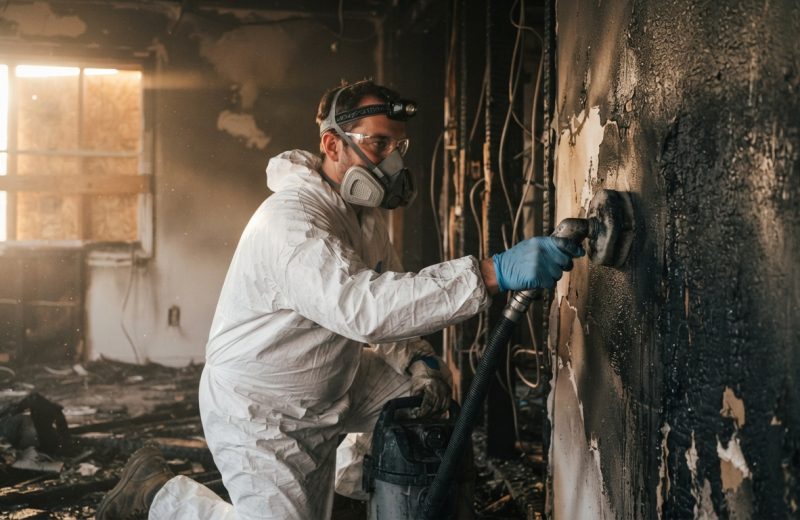
• Soot and smoke cleaning : Removing residue from walls, ceilings, ductwork, and belongings using specialized cleaning agents.
• Odor control : Treating surfaces and air systems to reduce smoke odor that can persist in fabrics and porous materials.
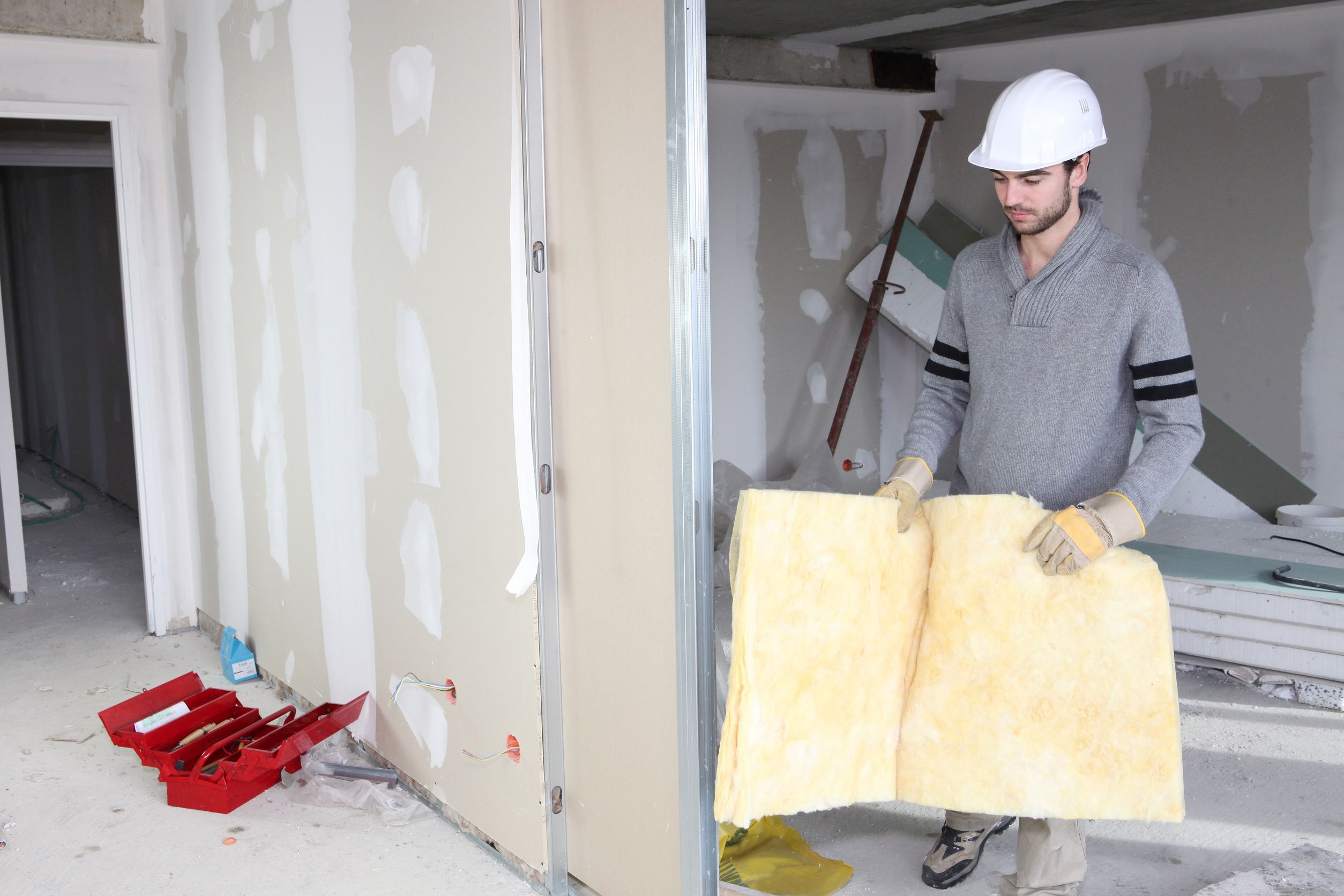
• Reconstruction : Rebuilding damaged framing, drywall, flooring, or other structural components to restore the property.
Why Smoke and Soot Require Specialized Handling
Smoke behaves differently than most household messes because it penetrates porous materials and travels through HVAC systems into rooms the fire never reached. Fine particles under 2.5 micrometers are identified by federal guidance as a primary health concern in smoke exposure, and these particles settle into insulation, ducts, and fabrics rather than dissipating on their own, according to EPA indoor air quality guidance. Standard household cleaning often fails to remove this residue, which is why professional soot removal typically relies on dry sponges, specialized solvents, and controlled ventilation rather than surface wiping alone.
Homeowners attempting cleanup themselves also risk spreading contaminated dust. Before sweeping sooty surfaces, misting them with water is recommended to keep particles from becoming airborne, based on the same federal guidance referenced above.
Comparing DIY Cleanup to Professional Restoration
| Factor | DIY Cleanup | Professional Restoration |
| Soot and residue removal | Limited to surface wiping | Specialized agents for deep residue |
| Odor treatment | Temporary masking | Targeted odor neutralization |
| Structural assessment | Visual only | Documented inspection for insurance |
| Secondary moisture risk | Often overlooked | Addressed during water removal phase |
This comparison highlights why fire recovery projects frequently involve more than cleaning supplies and ventilation. Structural assessment, in particular, matters for insurance documentation as much as for safety.
Timing and Local Considerations in Lisle, IL
Response time affects outcomes after a fire. Moisture from suppression efforts can begin supporting mold growth within days, and smoke odor tends to become more difficult to remove the longer it sits in drywall and insulation. Property owners in Lisle, IL dealing with a recent fire are generally advised to document damage with photos before cleanup begins, since this supports insurance claims later in the process.
Frequently Asked Questions
How soon should cleanup start after a fire? Addressing smoke residue and moisture promptly reduces the risk of secondary damage such as mold growth or permanent staining on porous materials.
Does fire damage restoration include water removal? Yes, because firefighting efforts frequently leave standing water or saturated materials that must be extracted before repairs can proceed.
Can smoke odor be fully removed from a home? Odor treatment success depends on how long residue has been present and which materials absorbed it, with porous items like drywall and fabric typically requiring more intensive treatment than hard surfaces.
Is fire damage restoration covered by homeowners insurance? Coverage varies by policy, so documenting damage and consulting directly with an insurance provider is the most reliable way to confirm what is covered.
Next Steps
Published location and service details for Parkside Restoration, based in Bolingbrook, IL, can be reviewed through its Parkside Restoration on Google Maps listing.
Readers can View Parkside Restoration on Google Maps for published location and contact details.
Fire damage restoration remains a multi-step process that blends structural repair with specialized cleaning methods designed to address smoke, soot, and water left behind after a fire. Property owners who understand each phase of the process are better positioned to coordinate with contractors and insurance adjusters while a damaged property moves toward full repair.