Short answer:
• Preventive veterinary care in Madison, AL covers wellness exams, vaccinations, parasite control, dental health, and diagnostic lab work.
• Scheduling routine visits is the most reliable way to detect and manage health conditions before they become serious.
Pets benefit most from veterinary care that begins before illness appears. Routine preventive services give veterinarians the information they need to catch developing problems early and keep animals healthy across every life stage.
Residents looking for local veterinarian services in Madison AL will find that a full-service clinic addresses far more than acute illness. Services such as preventative medical and surgical care, dental health, lab and diagnostics, and radiology form the backbone of a well-rounded preventive program. Understanding what each category involves helps pet owners make informed decisions about their animal’s care schedule.
What Preventive Veterinary Care Actually Includes
Preventive healthcare involves a multi-faceted approach that includes veterinary evaluation of a pet’s overall health and risks of disease or other health problems. Based on the findings, a veterinarian will provide recommendations covering nutrition, dental care, vaccinations, and heartworm, flea, and tick prevention.
In practice, a preventive visit typically covers several distinct areas:
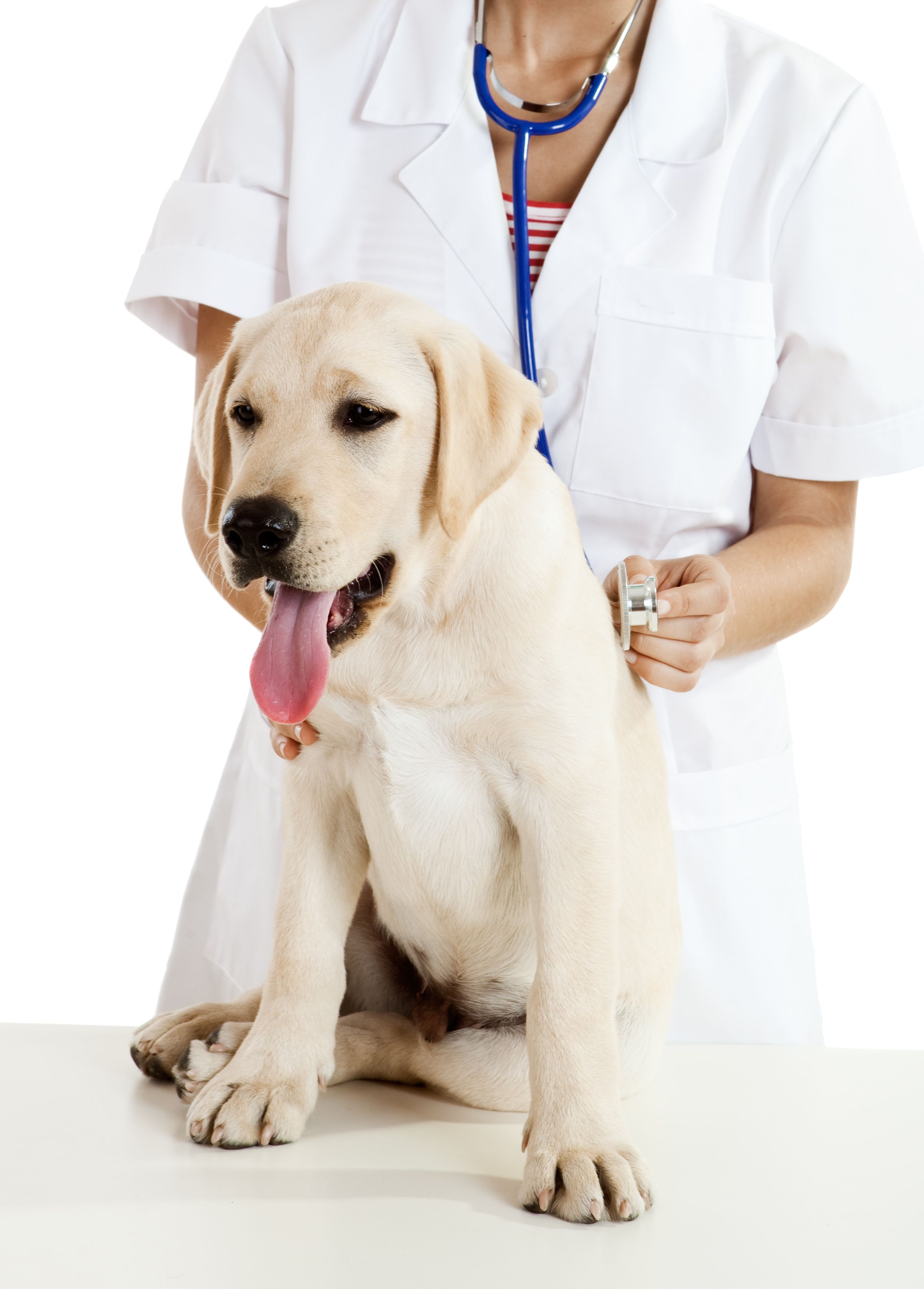
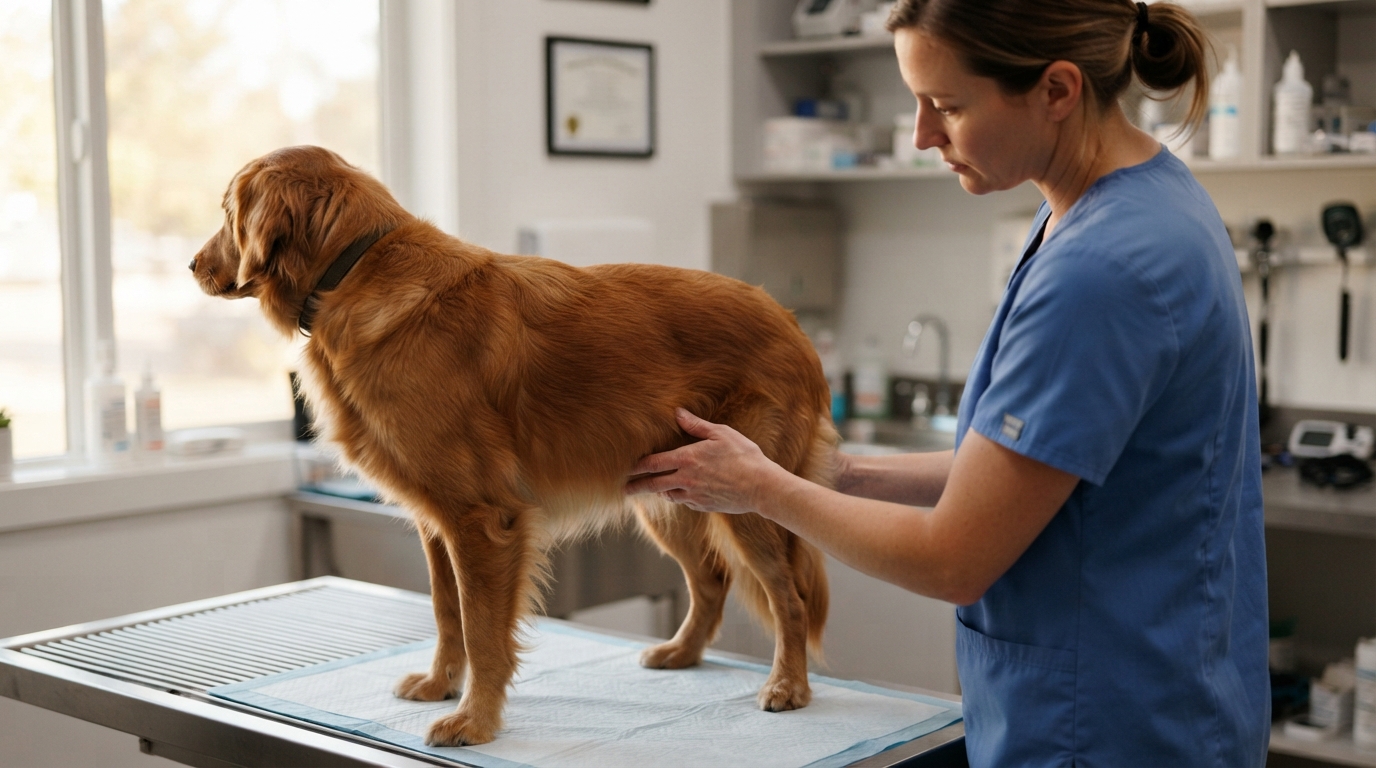
• Wellness exam: A nose-to-tail physical assessment of weight, coat, eyes, ears, and mobility.
• Vaccination programs: Core and lifestyle-based vaccines scheduled by age and risk.
• Parasite prevention: Year-round protection against heartworms, fleas, ticks, and intestinal parasites.
• Dental evaluation: Assessment of periodontal health and recommendations for cleaning.
• Lab and diagnostics: Blood panels, urinalysis, and fecal testing to detect internal changes.
Annual veterinary exams can catch manageable conditions like diabetes and dental disease, prevent issues with internal and external parasites, and slow the progression of common problems like osteoarthritis and kidney disease.
Why Routine Exams Matter More Than Most Owners Realize
Since dogs age faster than humans, an annual veterinary exam with diagnostic testing is equivalent to a human visiting the doctor every four to five years. Dogs’ rapid aging process makes preventive health care even more important. The same principle applies to cats, which are skilled at masking discomfort.
A strong preventive care routine offers year-round support and keeps developing issues from going unnoticed. Early detection leads to better outcomes because treatment can begin before a condition progresses. The American Veterinary Medical Association (AVMA) notes that identifying problems early helps pets live longer while reducing long-term medical costs.
According to the AVMA’s preventive pet healthcare guidance, recommendations are tailored to each pet’s specific health status and risk factors, not applied as a one-size-fits-all protocol.
Senior pets warrant particular attention. Senior dogs and cats benefit from exams every six months to help keep pep in their step. Increasing visit frequency at this life stage allows veterinarians to monitor organ function, joint health, and weight changes that accelerate with age.
Comparing Core Preventive Services by Purpose
The table below outlines the primary preventive services, their purpose, and typical frequency:
|
Service |
Primary Purpose |
Typical Frequency |
|
Wellness Exam |
Full physical assessment and health baseline |
Annually; every 6 months for seniors |
|
Vaccinations |
Disease prevention through immune response |
Per schedule; boosters as needed |
|
Parasite Control |
Prevent heartworm, flea, tick, and intestinal parasites |
Year-round, monthly or quarterly |
|
Dental Evaluation |
Identify periodontal disease and oral health risks |
Annually; cleaning as recommended |
|
Lab and Diagnostics |
Detect internal changes before symptoms appear |
Annually; more often for senior or ill pets |
A drop-off service allows owners to bring their pet for treatment or vaccinations on the way to work, with the pet waiting for pick-up on the way home — a practical option for busy schedules that removes a common barrier to consistent preventive care.
Frequently Asked Questions
How often should a healthy adult pet have a preventive exam? Most veterinary guidelines recommend at least once per year for healthy adult dogs and cats. Senior pets generally benefit from twice-yearly visits to monitor age-related changes more closely.
Does an indoor-only cat still need preventive care? Yes. Animals can be very good at hiding pain and disease, and indoor cats remain at risk for dental disease, obesity, diabetes, and other conditions that routine exams can identify early.
What does a lab and diagnostics panel typically check? A standard panel evaluates organ function through blood chemistry, a complete blood count, and urinalysis. Fecal testing screens for intestinal parasites that may not produce visible symptoms.
Is parasite prevention necessary year-round in Alabama? Yes. Alabama’s climate supports parasite activity throughout the year. Every dog and cat should receive year-round parasite control to prevent against heartworms, intestinal parasites, fleas, and when appropriate, ticks.
Schedule Preventive Care in Madison, AL
Preventive care is not a single appointment — it is an ongoing relationship between a pet owner and a veterinary team that adjusts as an animal ages and its health needs change. Establishing that relationship early gives veterinarians the baseline data needed to recognize meaningful changes over time.
Wall Triana Animal Hospital is located at 6966 Wall Triana Hwy, Madison, Alabama 35757, and can be reached at (256) 830-1979. New patients are welcome, and appointments are encouraged to ensure each pet receives focused, uninterrupted care.