The gist:
- Professional obedience training builds on reward-based methods to teach reliable commands like sit, stay, recall, and loose-leash walking.
- Oswego-area pet owners can access obedience training through boarding-based reinforcement programs offered by local, long-established kennels.
- Sessions typically focus on manners, impulse control, and consistency rather than one-time fixes.
Professional dog obedience training teaches a dog to respond reliably to commands such as sit, stay, come, and heel through structured, repeated practice sessions guided by a trainer. For Oswego pet owners, this usually means working with a local provider who understands both the behavioral science behind training and the day-to-day realities of fitting lessons into a dog’s routine.
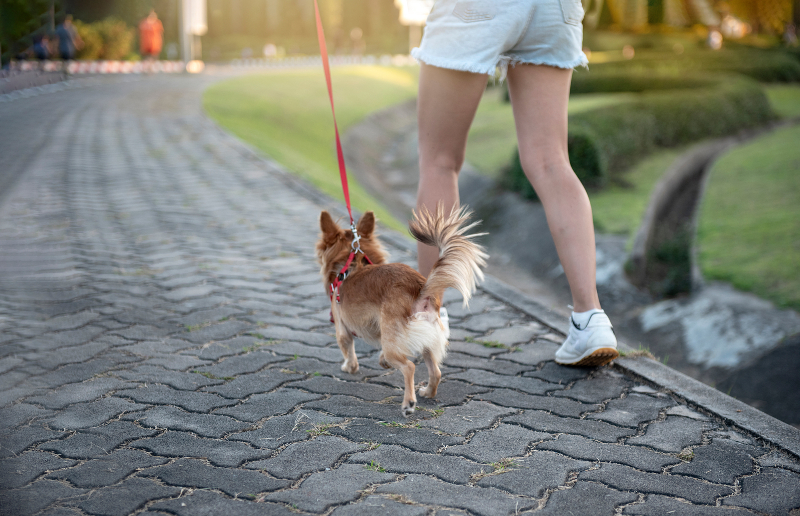
Many Fox Valley residents search for Dog Obedience Training after noticing a puppy that will not settle, an adult dog that pulls on the leash, or a rescue that needs structure in a new home. Finding a provider with a long track record in the area matters, since consistency and familiarity with local pet populations tend to produce steadier results than a one-off class.
What Happens During a Typical Training Session
Obedience training sessions generally follow a predictable arc, even when the specific commands or pace vary by dog.
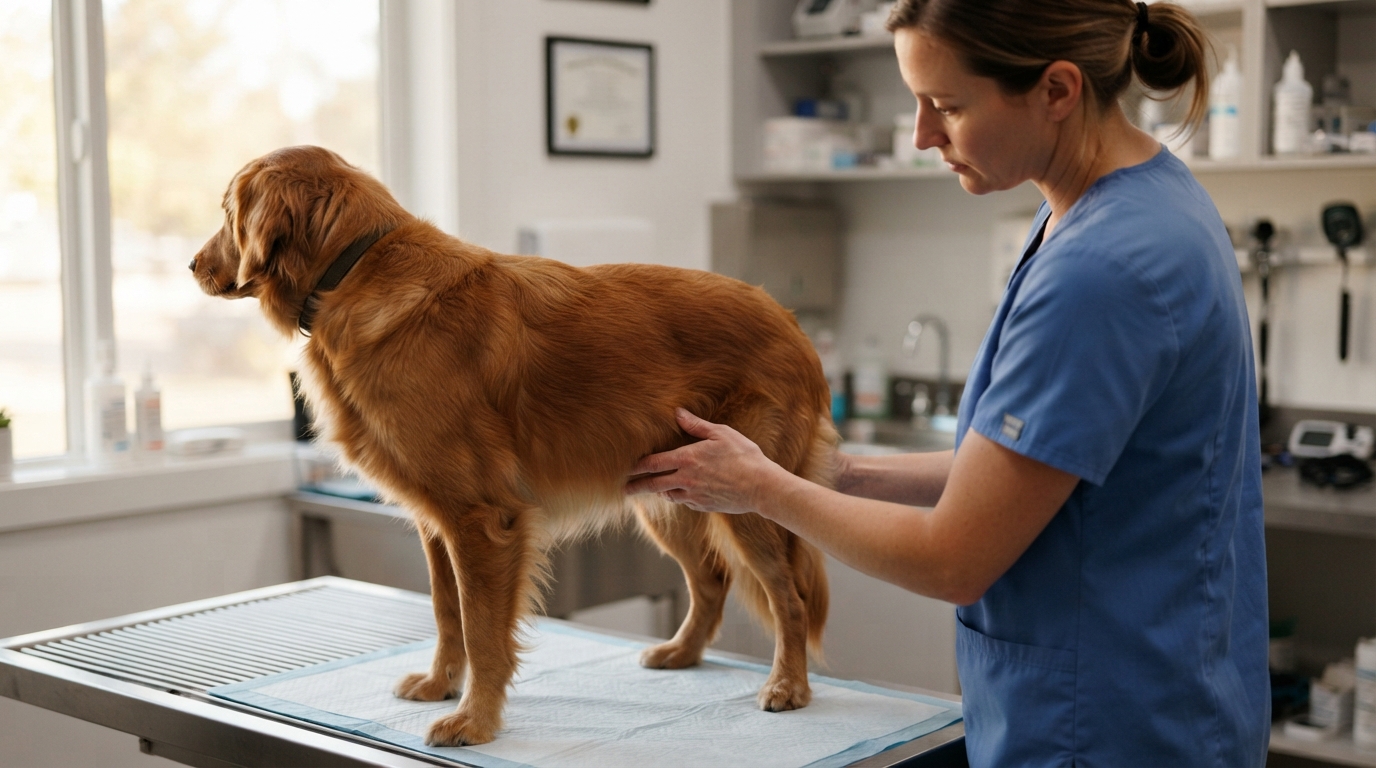
- Assessment first. Trainers observe a dog’s temperament, energy level, and existing habits before building a plan.
- Short, focused repetition. Commands are practiced in brief intervals so the dog stays engaged without becoming fatigued.
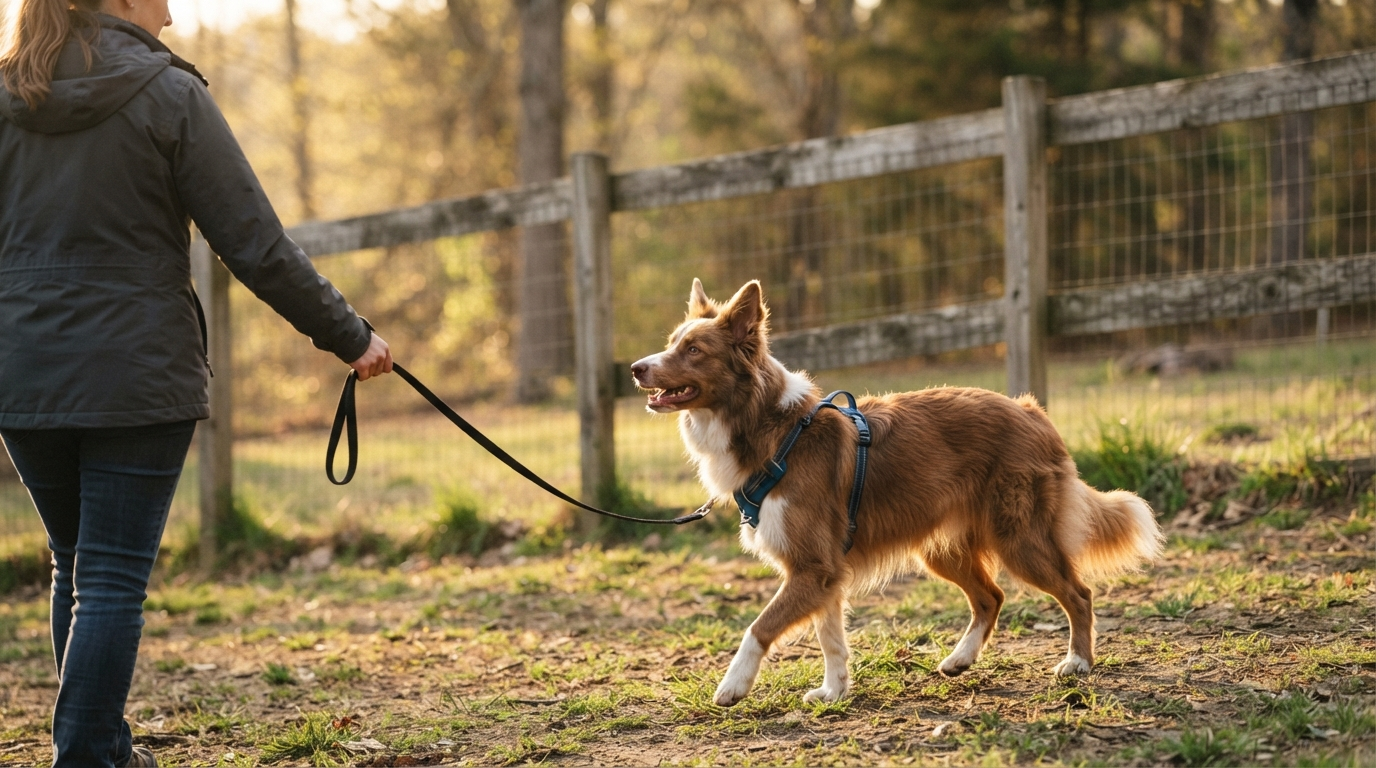
- Reward-based correction. Desired behaviors are reinforced with praise, treats, or play rather than punishment-based tactics.
- Gradual distraction training. Once a command is reliable in a quiet setting, trainers introduce noise, other animals, or new environments.
This progression mirrors guidance from veterinary behavior specialists. The American Veterinary Society of Animal Behavior continues to recommend that only reward-based methods be used across all aspects of dog training and behavior modification, a position it reaffirmed in 2025.
Where Obedience Training Fits Alongside Boarding and Grooming
In the Oswego and greater Aurora area, obedience training is often paired with other pet care services rather than offered as a standalone class. This matters because dogs frequently need reinforcement during travel, boarding stays, or grooming visits, not just in a single weekly session.
| Service Type | Primary Focus | Typical Setting |
|---|---|---|
| Boarding with training reinforcement | Maintains manners during a stay | On-site kennel facility |
| Puppy leash training | Builds early leash manners | Supervised sessions |
| Grooming add-on | Keeps appearance and hygiene current | Same visit as boarding |
Apolda Kennels, a family-owned facility serving Aurora, Naperville, and the surrounding Fox Valley area, is one example of a provider structured this way. The business has cared for dogs and cats since 1979 and lists obedience training among its core offerings alongside boarding and grooming, with basic obedience reinforcement available during a pet’s stay.
Questions to Ask Before Booking
Choosing the right fit matters more than picking the first listing that appears in a search.
- How is the dog assessed before training begins? A clear intake process signals a tailored approach rather than a generic script.
- What methods are used to correct unwanted behavior? Reward-based techniques are widely supported by veterinary behaviorists over aversive tools.
- Can training be combined with boarding or grooming visits? This can simplify scheduling for owners who travel or need multiple services at once.
- What vaccination records are required? Most reputable kennels require proof of rabies, distemper, and parvo vaccinations before any stay or session begins.
Asking these questions upfront helps owners set realistic expectations and avoid providers whose methods are not aligned with current behavioral science.
Common Questions About Obedience Training
How long does obedience training usually take to show results? Timelines vary by dog, age, and consistency of practice at home, but most owners notice early progress within a few weeks of regular, short training sessions.
Is obedience training only for puppies? No. Adult dogs and rescues can learn new commands and unlearn problem behaviors, though sessions may need to account for established habits.
Can obedience training be added to a boarding stay? Yes, in many cases. Some facilities offer basic obedience reinforcement as an add-on during a pet’s boarding visit, which can help maintain manners while an owner travels.
What should I bring to a first training visit? Current vaccination records are typically required, along with any notes on the dog’s existing commands, triggers, or anxiety issues so the trainer can plan accordingly.
Obedience training works best as an ongoing practice rather than a single appointment, built on patience, repetition, and methods grounded in current animal behavior research. Pet owners weighing their options in Oswego can look to established, locally rooted providers that combine training with other everyday pet care needs. Apolda Kennels offers this kind of combined approach, giving owners a single point of contact for boarding, grooming, and obedience reinforcement under one roof.