Quick take:
- A mower’s core systems include the engine, blade assembly, drive components, and electrical or fuel parts that work together to cut grass efficiently.
- Routine wear items such as blades, belts, filters, and spark plugs typically need replacement more often than structural components.
- Understanding basic Lawn Mower Parts helps homeowners in Minneapolis, MN recognize early signs of mechanical trouble before they lead to larger repairs.
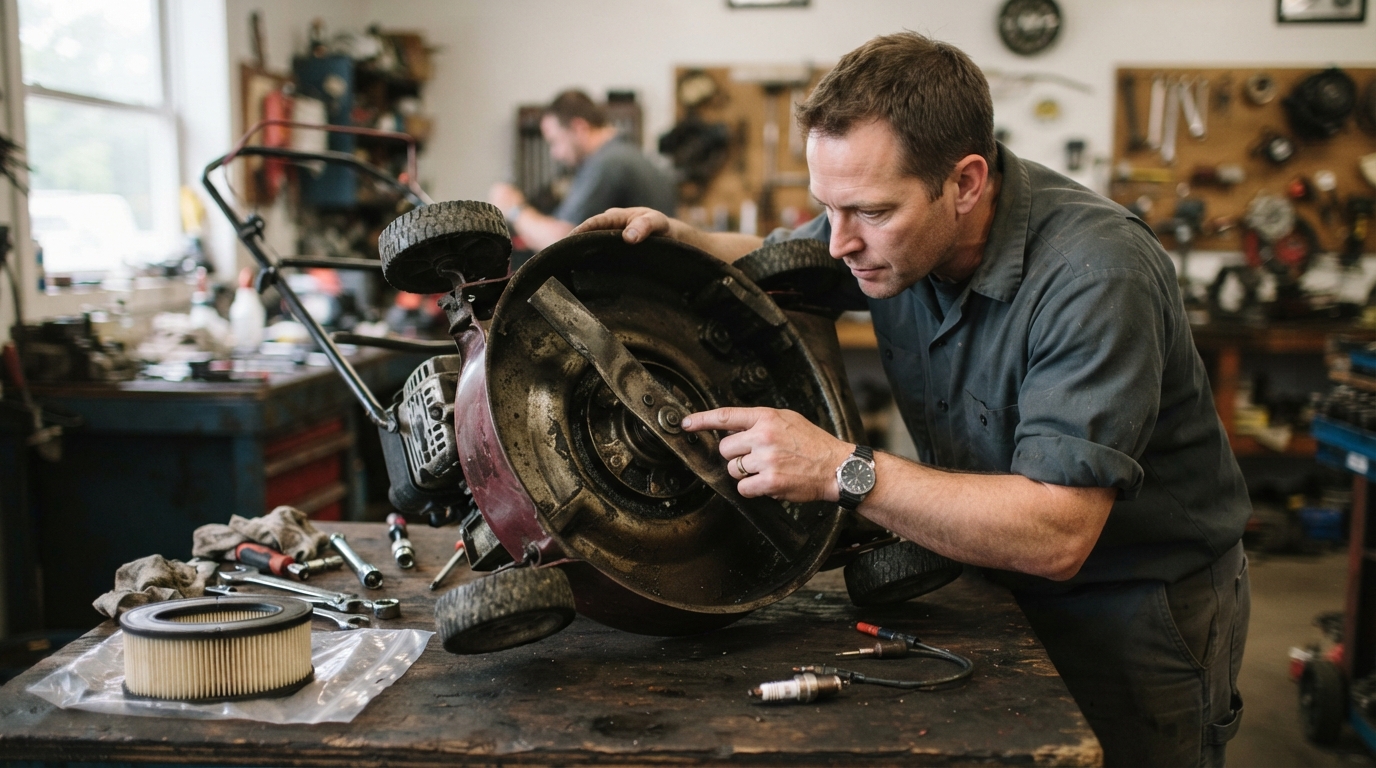
A lawn mower is built from several interdependent systems, and knowing how each one functions makes it easier to diagnose problems or communicate with a repair technician. The engine powers the machine, the blade assembly handles cutting, and supporting components like belts, filters, and electrical parts keep everything running smoothly. Familiarity with Lawn Mower Parts also helps owners decide when a repair is worthwhile versus when a component has simply reached the end of its service life.
Minneapolis, MN homeowners deal with a distinct mix of seasonal grass growth, clippings, and moisture that can accelerate wear on certain parts, particularly blades and air filters. Read More, based in Corcoran, MN, services mowers for customers throughout that area, and understanding the core components below provides useful context before any repair conversation.
Core Engine and Power System Components
The engine is the central component of any gas-powered mower, converting fuel combustion into the rotational force that spins the blade. Supporting parts keep the engine running cleanly and efficiently.
- Spark plug: ignites the fuel-air mixture inside the combustion chamber
- Air filter: prevents dirt and debris from entering the engine intake
- Carburetor: regulates the fuel-to-air ratio for combustion
- Fuel filter: screens contaminants from gasoline before it reaches the carburetor
- Oil and oil filter: lubricate moving engine parts and reduce friction
Small engine manufacturers generally recommend replacing the air filter and spark plug on a seasonal basis to maintain consistent performance, according to EPA small engine guidance. Neglecting these parts can cause hard starting, stalling, or reduced power output during peak mowing season.
Cutting and Drive System Parts
Beyond the engine, the blade assembly and drive mechanism determine how well a mower actually cuts and moves across a lawn.
| Component | Function | Typical Wear Signal |
|---|---|---|
| Blade | Cuts grass through rotational force | Dull edges, uneven cut, visible nicks |
| Blade bolt/spindle | Secures blade and transfers engine torque | Wobbling, unusual vibration |
| Drive belt | Transfers power to wheels on self-propelled models | Slipping, cracking, squealing |
| Wheels and axles | Support mower weight and enable movement | Uneven rolling, steering difficulty |
A dull or bent blade is among the most common reasons for an uneven cut, and many manufacturers suggest sharpening blades at least once per mowing season or more frequently with heavy use.
Electrical and Starting Components
Starting systems vary between mower types, but most gas models rely on a handful of electrical parts to generate ignition.
- Recoil starter or electric starter: initiates engine turnover
- Ignition coil: generates the voltage needed for spark plug firing
- Battery (on electric-start or battery-powered models): supplies stored power
- Safety switch: prevents operation unless the operator is in the correct position
Electric and battery-powered mowers have grown more common in recent years, shifting some of these components toward motor controllers and rechargeable battery packs rather than traditional ignition systems. Regardless of mower type, a failure in any single electrical part can prevent the engine from starting at all.
When Replacement Parts Make Sense
Not every mechanical issue requires professional repair, but certain signs suggest a part has reached its practical limit rather than simply needing cleaning or adjustment.
- Persistent stalling despite a clean air filter and fresh spark plug
- Visible cracks, fraying, or stretching in belts
- Blades that cannot hold an edge after sharpening
- Starter cords that no longer retract or engage properly
When these symptoms appear, replacing the specific worn component is typically more cost-effective than replacing the entire mower.
Frequently Asked Questions
How often should mower blades be replaced? Most blades can be sharpened multiple times per season, but they should be replaced once the metal becomes too thin or damaged to hold an edge safely.
What causes a mower engine to lose power mid-season? A clogged air filter, old fuel, or a fouled spark plug are among the most common causes of reduced engine power during the mowing season.
Can electrical issues be diagnosed without professional tools? Basic checks like inspecting the safety switch and battery connections are possible at home, but deeper ignition coil or wiring issues generally require diagnostic equipment.
Do self-propelled mowers have more parts than push mowers? Yes, self-propelled models include additional drive components such as belts, pulleys, and transmission parts that push mowers do not require.
Business Info
Based in Corcoran, MN, Read More serves customers across Minneapolis, MN with mower repair and parts-related services.
Current service details for Read More are published for the Minneapolis, MN area.