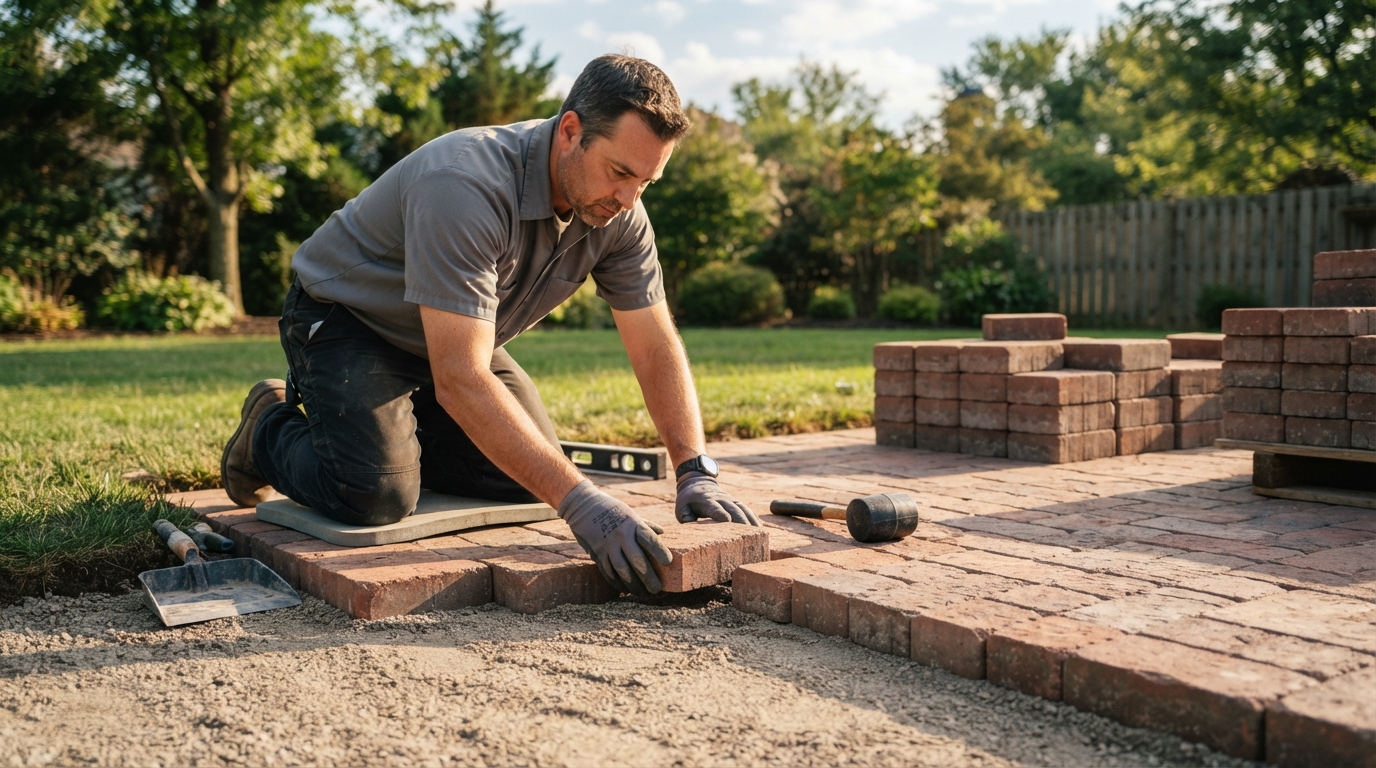
• Brick pavers are durable clay or concrete units used for driveways, walkways, and patios, offering a repairable alternative to poured concrete.
• Proper base preparation and drainage planning matter most for long-term performance in Central Florida’s sandy soil and heavy rain seasons.
• Costs and lifespan vary by material, pattern, and installation quality, so comparing options before committing is worthwhile.
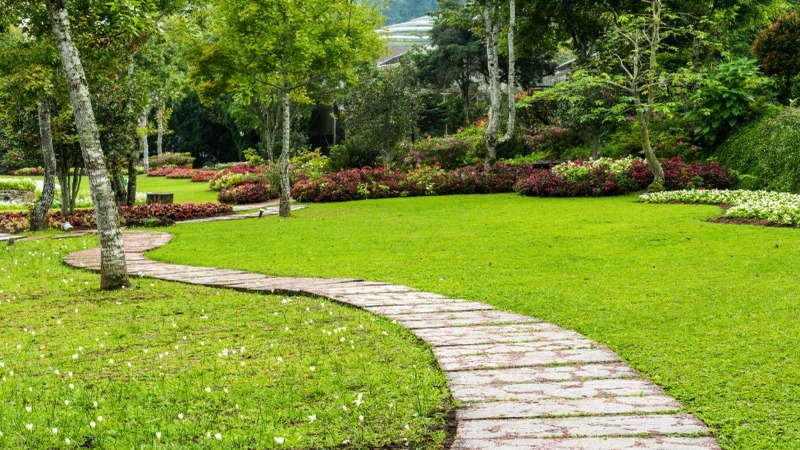
Brick pavers are individual clay or concrete units installed over a compacted base to create driveways, walkways, patios, and pool decks that can be repaired or replaced one piece at a time rather than requiring a full slab replacement. This makes them a practical choice for homeowners who want flexibility and a traditional look that holds up over years of use.
Homeowners researching Brick Pavers for a driveway or patio project often compare them against poured concrete or stamped options before deciding. The decision usually comes down to upfront cost, long-term maintenance, and how the surface will perform through Florida’s wet season and intense summer heat.
What Makes Brick Pavers Different From Other Paving Materials
Brick pavers are manufactured from kiln-fired clay or molded concrete, then laid in a sand bed over a compacted aggregate base rather than poured as one continuous surface. Because each unit is separate, pavers can shift slightly with ground movement without cracking the way a solid slab would.
Key characteristics include:
• Interlocking installation that distributes weight across multiple units
• Replaceable individual pieces if one becomes stained, cracked, or sunken
• A range of colors, sizes, and laying patterns, including herringbone, basket weave, and running bond
• Slip-resistant surface texture suited to pool decks and walkways
Base Preparation and Drainage Considerations for Winter Garden, FL
Soil composition and seasonal rainfall directly affect how long a paver installation lasts. Winter Garden, FL sits in a region with sandy soil and a wet season that typically runs from June through September, so proper grading and a compacted base layer are necessary to prevent shifting or pooling water.
According to the University of Florida IFAS Extension, Central Florida’s sandy soils drain quickly but can erode or settle unevenly without adequate compaction during hardscape installation. A base of crushed aggregate, typically 4 to 6 inches deep depending on the application, is standard practice to provide stable support and consistent drainage beneath paver surfaces.
Installers generally also need to account for:
• Slope direction to carry water away from structures
• Edge restraints to keep perimeter pavers from spreading over time
• Joint sand or polymeric sand to lock units in place and reduce weed growth
Brick Pavers Compared to Other Common Surface Options
|
Feature |
Brick Pavers |
Poured Concrete |
Stamped Concrete |
|
Repair method |
Replace individual units |
Patch or full section replacement |
Patch, often visible |
|
Surface flexibility |
Shifts slightly without cracking |
Prone to cracking over time |
Prone to cracking over time |
|
Pattern variety |
High, many layouts and colors |
Limited |
Moderate, stamped designs |
|
Typical lifespan |
Long-lasting with periodic resanding |
Long-lasting but crack-prone |
Long-lasting but seal-dependent |
Each surface type has tradeoffs in cost, maintenance frequency, and visual customization, so the right choice depends on budget and how much repair flexibility a homeowner wants over time.
Maintenance and Longevity Expectations
Paver surfaces require periodic upkeep to stay level and visually consistent. Routine maintenance typically includes:
1. Resweeping joint sand every few years as it settles or washes out
2. Rinsing or pressure washing to remove algae and organic buildup, particularly in shaded or humid areas
3. Resealing every few years to reduce staining and enhance color retention
4. Leveling individual pavers that sink due to base erosion
Based in Groveland, FL, Murray Outdoor serves customers across Winter Garden, FL, where seasonal rainfall and sandy soil conditions make base quality and drainage planning especially relevant to paver performance. Details about the service area are outlined on the Murray Outdoor Google Business Profile listing.
Frequently Asked Questions
Are brick pavers more expensive than poured concrete? Material and labor costs vary by region, pattern complexity, and base preparation needs, so a direct quote comparison for the specific project size is the most reliable way to judge cost differences.
Can cracked or sunken pavers be fixed without redoing the whole surface? Yes, one of the main advantages of a paver system is that individual units can typically be lifted, releveled, or replaced without disturbing the surrounding surface.
How often does paver sand need to be replaced? Joint sand often needs resweeping every few years, though frequency depends on rainfall, foot traffic, and whether polymeric sand was used during installation.
Do pavers get slippery when wet? Textured paver surfaces generally offer better slip resistance than smooth poured concrete, though algae buildup in humid or shaded areas can reduce traction if not cleaned periodically.
Final Notes on Planning a Paver Project
Selecting a paving material involves weighing upfront cost against long-term repairability, and brick pavers generally offer more flexibility for spot repairs than solid concrete surfaces. Base preparation and drainage planning remain the most important factors for durability in Central Florida’s climate, regardless of which paver style or pattern is chosen.
A published profile for Murray Outdoor outlines the service area and general business details for reference.