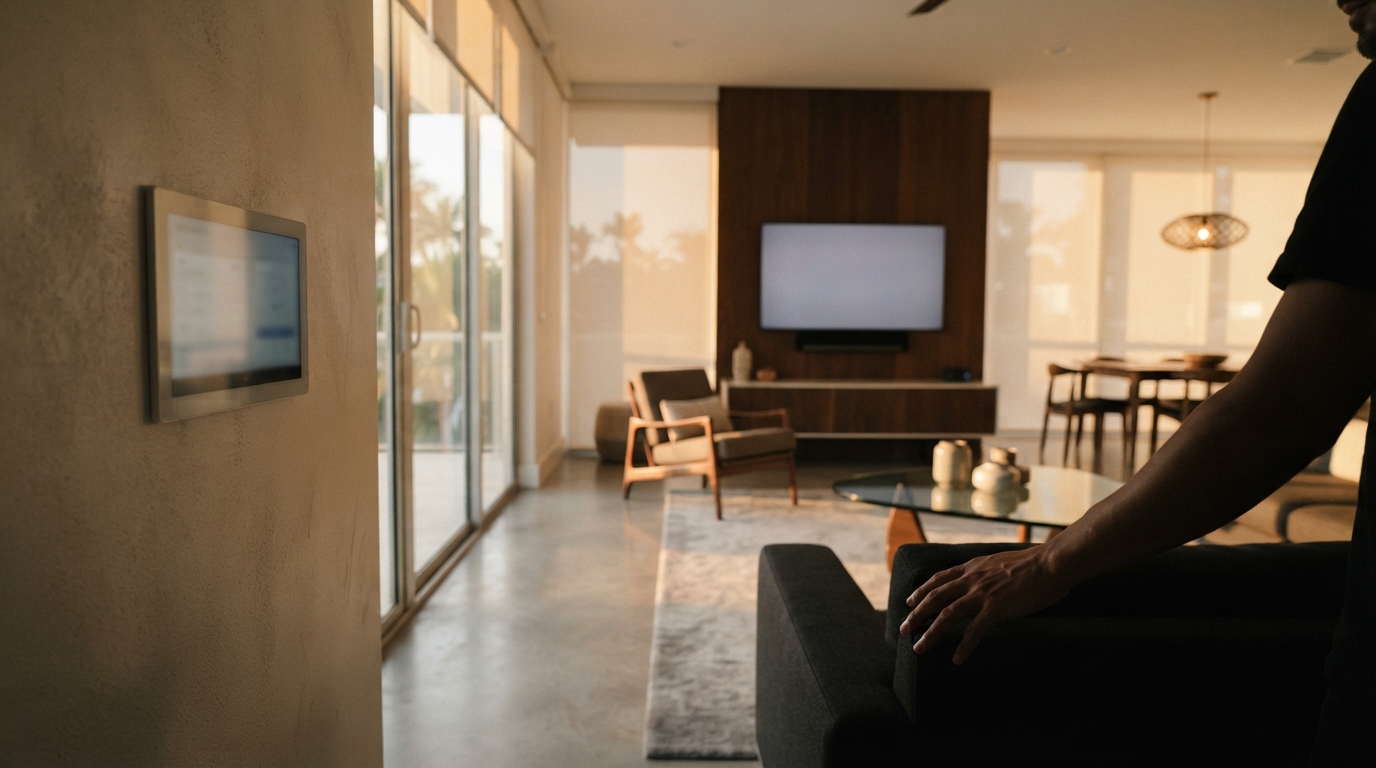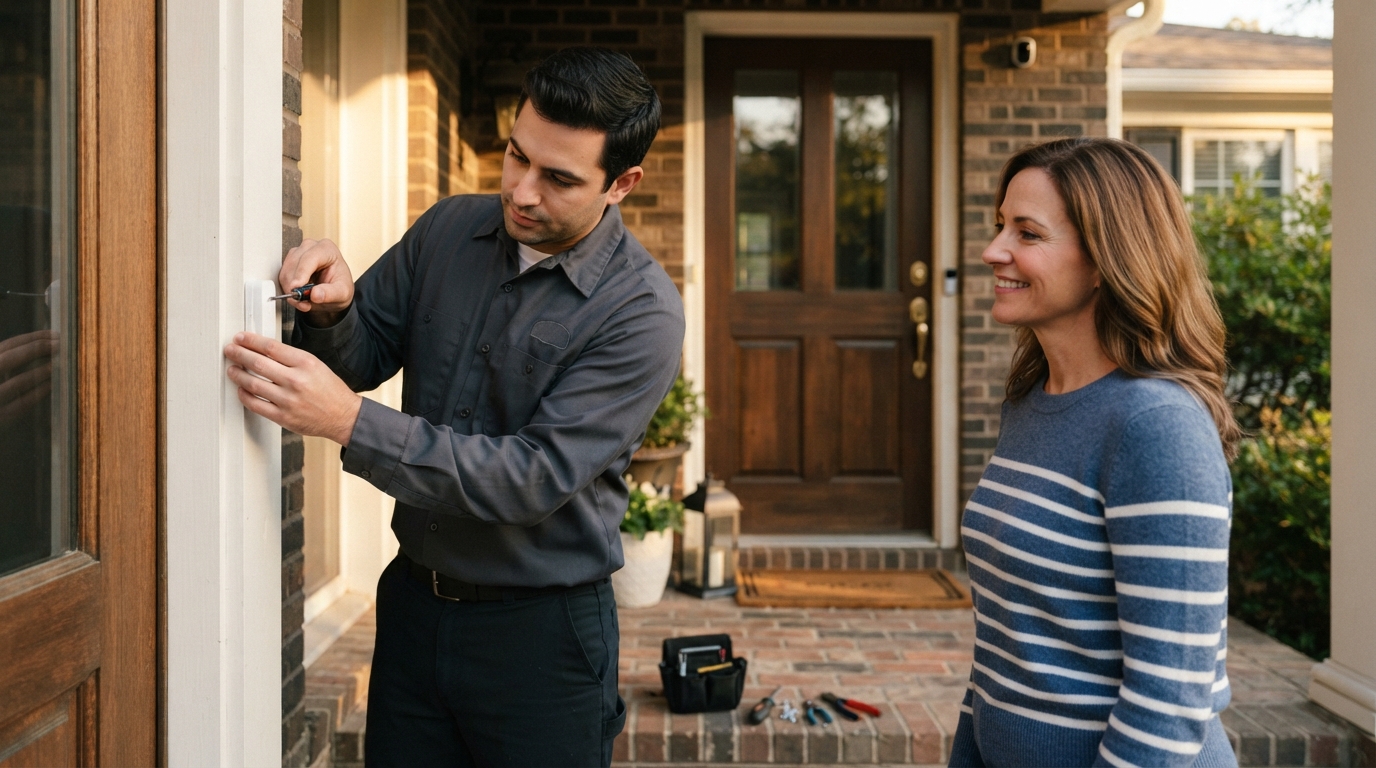
• The right home security system depends on property size, budget, and whether monitoring is handled in-house or through a third party.
• Core components typically include door and window sensors, cameras, carbon monoxide detectors, and a central control panel.
• Buffalo, NY homeowners should weigh monitoring response times and local service availability alongside equipment features.
Selecting a home security setup starts with matching equipment to the specific risks and layout of a property rather than picking the most feature-heavy package available. A system built around basic entry sensors suits a small apartment, while a multi-story home with several entry points usually needs layered coverage including cameras and motion detection.
Home Security Systems in Buffalo NY decisions generally come down to three factors: the number of entry points needing protection, whether round-the-clock monitoring is required, and how the system integrates with mobile alerts. Comparing these variables before purchase helps avoid paying for capacity a household does not need.
Core Components Worth Comparing
Security packages vary widely in what they bundle by default, so understanding each component’s role matters before committing to a provider.
• Door and window sensors detect unauthorized entry and trigger the main alarm.
• Surveillance cameras record activity and, in many systems, allow remote viewing from a mobile device.
• Carbon monoxide detectors add a life-safety layer beyond basic burglary protection.
• Access control limits who can enter specific areas, more common in business settings but increasingly available for homes with multiple residents or renters.
|
Component |
Primary Function |
Typical Use Case |
|
Door/window sensors |
Entry detection |
Every home, baseline protection |
|
Surveillance cameras |
Visual monitoring, remote viewing |
Homes with multiple entrances or outdoor areas |
|
Carbon monoxide detectors |
Gas leak detection |
Homes with fuel-burning appliances |
|
Access control |
Restricts entry to specific zones |
Multi-unit properties or home businesses |
Monitoring Options and What They Mean Locally
Monitoring type affects both response time and monthly cost, and it is one of the most consequential decisions in choosing a system. Self-monitored systems send alerts directly to a homeowner’s phone, while professionally monitored systems route alarms through a monitoring center that can contact emergency services.
Fire alarm components within a broader security system typically follow interconnection and placement standards set at the national level. The National Fire Protection Association notes that smoke alarms should be installed inside each bedroom, outside sleeping areas, and on every level of a home, including the basement. Buffalo’s older housing stock, much of it built before modern wiring and fire-safety codes existed, makes this placement guidance especially relevant when integrating smoke or CO detection into a security package.
Matching System Size to Property Type
Property size and layout influence not just the number of sensors needed but also panel placement and camera angles.
1. Single-family homes generally need sensors on all ground-floor entry points plus at least one exterior camera.
2. Multi-unit or rental properties benefit from access control to track entry without requiring physical keys for every unit.
3. Homes with finished basements or attached garages often need additional motion sensors, since these areas are common secondary entry points.
Based in Cheektowaga, NY, Armored Alarm security providers serving the wider Buffalo, NY market typically size equipment recommendations around these same property categories rather than offering a single standard package.
Frequently Asked Questions
Does a home security system require a landline? Most current systems operate over cellular or internet connections rather than a traditional landline, which also makes them less vulnerable to line cutting.
How many cameras does a typical home need? This depends on entry points and exterior layout; a single-family home often starts with two to four cameras covering the front door, driveway, and rear entrance.
Is professional monitoring necessary? Not always. Self-monitored systems work for households that respond quickly to phone alerts, while professional monitoring suits homes where occupants are frequently away.
Can a system include both security and fire detection? Many systems integrate smoke and carbon monoxide detection alongside intrusion sensors, though placement should follow standard fire-safety guidance for each area of the home.