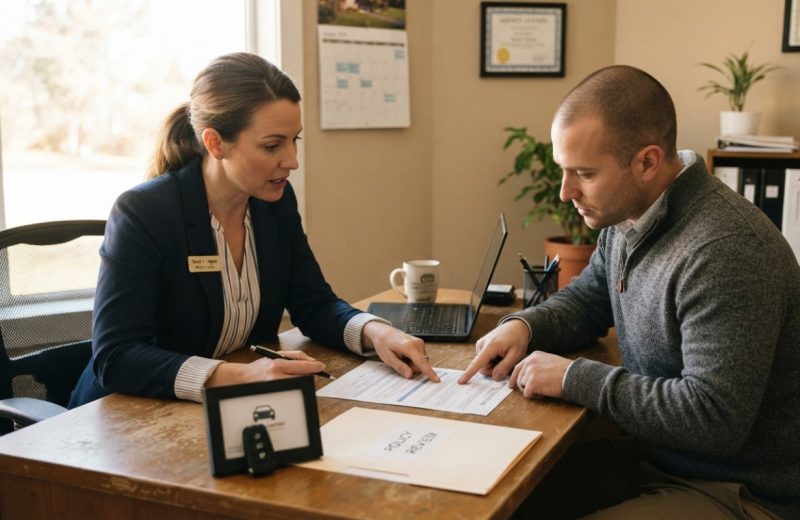
• Commercial insurance covers liability, property, and operational risks that standard personal policies do not address.
• Coverage needs vary by industry, business size, and location, including risks specific to Lakeland, FL.
• Reviewing policy limits, exclusions, and endorsements regularly helps prevent coverage gaps as a business grows.
Commercial insurance is a category of business coverage designed to protect companies against financial losses from property damage, liability claims, employee injuries, and other operational risks. For most business owners, the right policy structure depends on industry type, number of employees, and the specific exposures tied to daily operations.
Many owners assume a general liability policy alone is sufficient, but most businesses need a combination of coverages to address different risks. Commercial Insurance typically bundles several policy types into a package suited to the size and nature of the business, rather than relying on a single blanket policy. Understanding which coverages apply to a specific operation is the first step toward avoiding gaps that could surface after an incident occurs.
Business owners in Lakeland, FL often weigh coverage decisions against local risk factors, including severe weather exposure and the types of commercial activity common in the area. A policy reviewed only once, at the time a business opens, can quickly become outdated as operations expand or change.
Core Coverage Types Business Owners Should Understand
Commercial insurance policies are generally built from several distinct coverage categories, each addressing a different risk.
• General liability: covers third-party bodily injury, property damage, and related legal costs.
• Commercial property: protects buildings, equipment, and inventory from fire, theft, or weather damage.
• Workers’ compensation: covers medical costs and lost wages for employees injured on the job.
• Commercial auto: covers vehicles used for business purposes, separate from personal auto policies.
• Professional liability: addresses claims related to errors, omissions, or negligence in professional services.
Not every business needs every category. A retail operation and a contracting business, for example, carry different liability profiles and therefore need different coverage emphasis.
Matching Coverage to Business Risk
Selecting appropriate coverage starts with an honest assessment of operational exposure rather than a generic policy template.
1. Identify physical assets, including buildings, equipment, and vehicles, that would need to be replaced after a loss.
2. Review contractual insurance requirements from landlords, lenders, or client contracts.
3. Account for employee count and job duties, since this affects workers’ compensation classification and cost.
4. Factor in regional risks; according to Ready.gov business continuity guidance , organizations should assess hazards specific to their location as part of ongoing risk planning.
5. Reassess coverage annually or after any significant change in revenue, staff size, or services offered.
Skipping any of these steps increases the likelihood of being underinsured at the exact moment coverage is needed most.
Common Coverage Gaps and How They Happen
Coverage gaps rarely appear all at once. They tend to develop gradually as a business changes faster than its insurance policy does.
|
Situation |
Common Gap |
Why It Happens |
|
Business adds new equipment |
Property limits too low |
Policy not updated after purchase |
|
Company hires first employees |
No workers’ comp coverage |
Owner assumes general liability covers injuries |
|
Business adds a company vehicle |
Personal auto policy denies claim |
Vehicle used for commercial purposes |
|
New service line added |
Professional liability gap |
Original policy did not anticipate new service |
Reviewing a policy against current operations, rather than assuming it still matches the business as it was when first purchased, is one of the more practical ways to catch these gaps early.
Commercial insurance guidance specific to local business operations is available through Straight Line, a provider serving businesses in the Lakeland, FL area.
Frequently Asked Questions
Does a small business need commercial insurance even without employees? Even sole proprietors can face liability claims from clients, property damage, or contractual requirements, so coverage needs depend on exposure rather than headcount alone.
How often should a policy be reviewed? An annual review, or a review after any major operational change, helps confirm coverage limits still reflect current assets and risks.
Is commercial auto insurance required if an employee uses a personal vehicle for work? Personal auto policies often exclude business use, which is why many companies add commercial auto or hired and non-owned auto coverage for that purpose.
What industries in Lakeland, FL typically carry higher liability exposure? Construction, contracting, and businesses with public-facing retail or service locations often carry higher liability exposure due to increased foot traffic or on-site work.