Key point:
• Quality auto body repair restores a vehicle’s structure, safety systems, and appearance to pre-accident condition using certified technicians and OEM-approved methods.
• Look for shops with recognized technician certifications, clear repair documentation, and experience handling insurance claims.
• Vehicle owners in Pflugerville, TX can compare local options based on certification, warranty terms, and calibration capability.
Choosing a repair shop after a collision affects more than cosmetic appearance. It determines whether a vehicle’s frame, safety sensors, and paint finish return to factory specifications or fall short in ways that surface months later.
Auto Body Repair covers a wide range of work, from minor dent correction to full structural realignment after a serious wreck. Understanding what separates a thorough repair from a rushed one helps drivers in Pflugerville, TX make an informed decision before handing over their keys.
What Quality Auto Body Repair Actually Involves
A collision repair job typically moves through several distinct stages, each requiring different tools and expertise.
• Damage assessment and teardown to identify hidden structural issues
• Frame and panel straightening using measured, OEM-specified procedures
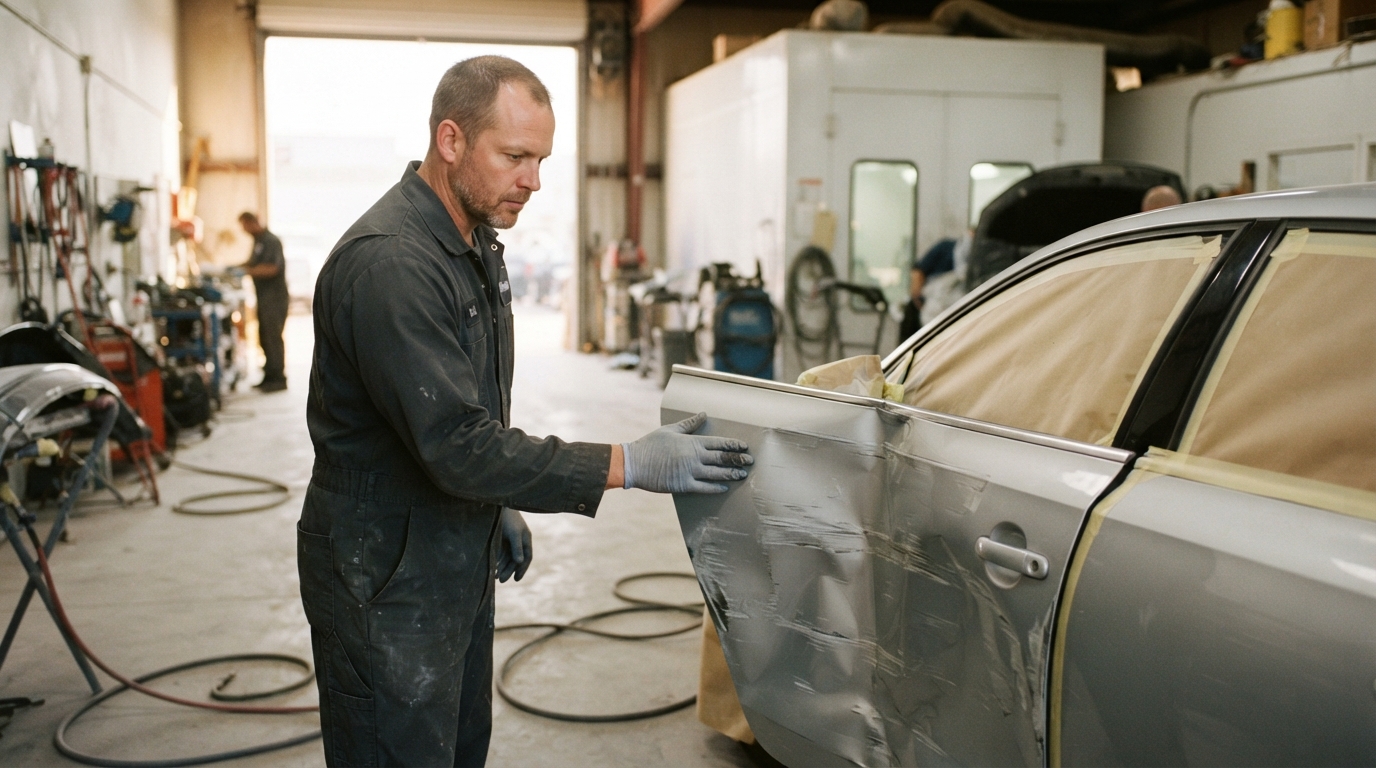
• Welding, panel replacement, or paintless dent correction depending on severity
• Color-matched refinishing and clear coat application
• Reassembly, quality inspection, and road testing
Technicians trained through nationally recognized programs follow documented repair procedures rather than estimating fixes by eye. Industry training standards set by the ASE Education Foundation outline the technical skills collision repair professionals are expected to demonstrate, including structural analysis and damage repair competency.
Certifications and Credentials Worth Checking
Not every repair facility holds the same level of training or equipment. Before scheduling a repair, it helps to ask directly about technician credentials and shop-level certifications.
| Credential Type | What It Verifies | Who Issues It |
| I-CAR Gold Class | Shop-wide technician training across repair roles | Inter-Industry Conference on Auto Collision Repair |
| ASE Certification | Individual technician competency in specific repair areas | National Institute for Automotive Service Excellence |
| OEM Certification | Manufacturer-specific repair procedures for certain makes | Vehicle manufacturers |
A shop that maintains these credentials typically invests in ongoing technician training and updated equipment, which matters for vehicles with modern safety features.
Why ADAS Calibration Matters After a Repair
Many vehicles built in the last decade rely on cameras and sensors for lane-keeping, automatic braking, and collision avoidance. These systems often require recalibration after bodywork, bumper replacement, or windshield service, even when the repair itself looks complete. Skipping this step can leave safety systems misaligned without any visible warning to the driver.
Questions to Ask Before Authorizing Repairs
A short conversation with a shop before work begins can reveal a lot about how the facility operates.
1. Will the shop handle direct communication with the insurance company
2. What warranty applies to parts, labor, and paint work
3. Are technicians currently certified, and in which specific repair categories
4. How will frame or structural measurements be verified before and after repair
5. Does the facility calibrate advanced driver-assistance systems in-house or through a partner
Clear answers to these questions, provided before the vehicle is dropped off, are usually a reliable sign of a well-run operation. Vague or evasive responses are worth treating as a caution sign, regardless of how convenient the location seems.
Comparing Repair Scope and Vehicle Type
Repair needs vary significantly depending on the type of vehicle and extent of damage. A commercial van with a scraped panel requires a different approach than a travel trailer with structural roof damage.
• Passenger vehicles usually need frame alignment, panel work, and refinishing
• Trucks and fleet vehicles may require heavier structural repair and commercial-grade paint matching
• RVs and trailers often involve specialized roof and body materials not found on standard cars
Facilities that work across multiple vehicle categories generally maintain a broader range of equipment and technician training. Georgetown, TX has supported this kind of multi-vehicle repair work for over a decade, reflecting the area’s mix of commuter traffic, commercial fleets, and recreational vehicle ownership.
Frequently Asked Questions
How long does a typical auto body repair take? Repair timelines depend on parts availability, damage extent, and whether structural work is involved. Minor cosmetic repairs may take a few days, while structural or insurance-involved repairs often take longer.
Does insurance cover the full cost of collision repair? Coverage depends on the policy, deductible, and fault determination. Shops experienced with insurance claims can often clarify what is covered before work begins.
What is the difference between OEM and aftermarket parts? OEM parts are made by the vehicle’s original manufacturer, while aftermarket parts are produced by third-party companies. Some insurance policies specify which type will be used in a claim.
Is paintless dent repair an option for every type of damage? Paintless dent repair works well for minor dents without paint damage, but deeper damage or cracked paint typically requires traditional bodywork and refinishing.
Business Information and Next Steps
Based in Georgetown, TX, Alliance Collision Centers provides collision repair and related automotive services to customers throughout Pflugerville, TX.
Customers exploring local repair options can Click Here to review the company’s published service details and facility information.