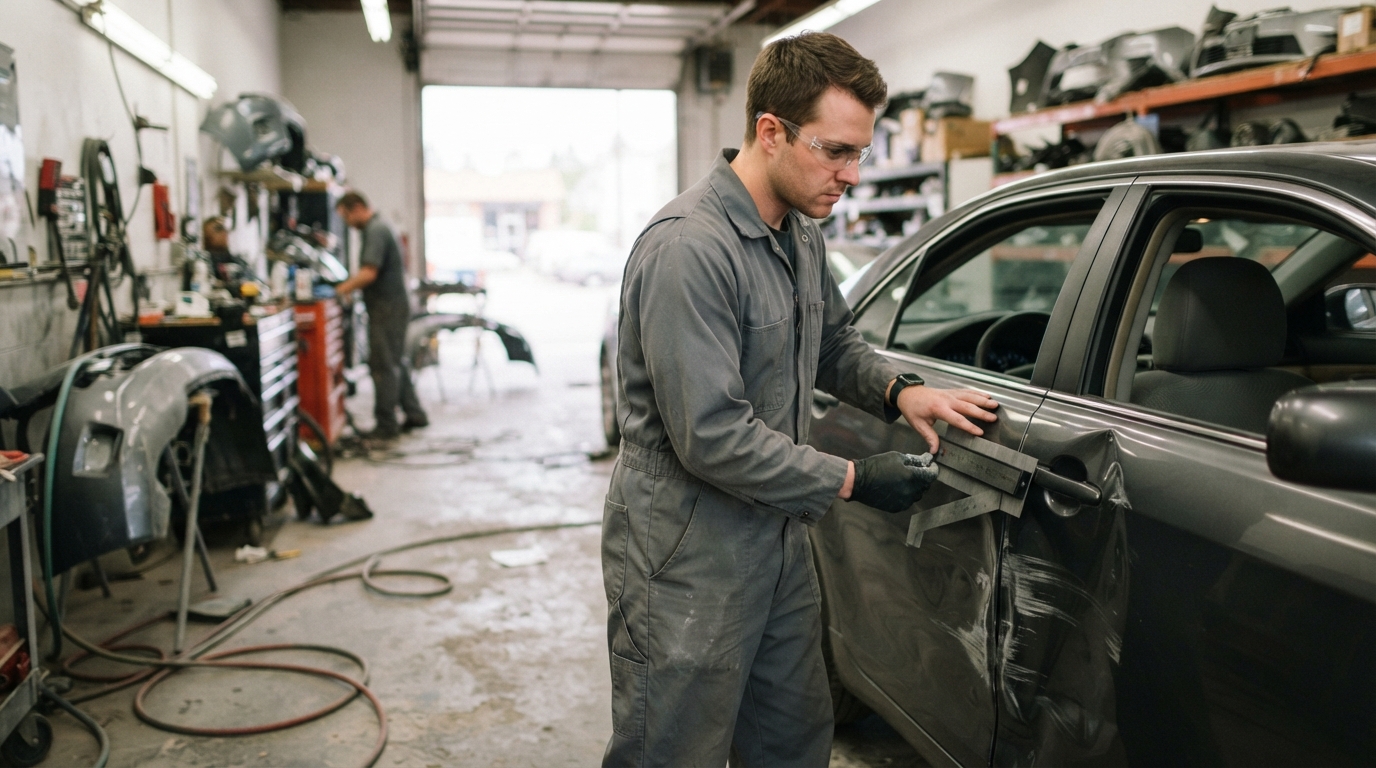
Vehicle owners searching for information on the repair process generally want to know what happens between dropping off a damaged car and picking it up again. The short answer: a vehicle moves through inspection, disassembly, structural correction, paint matching, reassembly, and a safety check before it is returned to the owner.
Understanding collision repair in this sequence helps set realistic expectations for timing and what technicians are actually doing at each stage. While specific steps can vary by shop and damage type, the general framework below reflects how reputable facilities typically structure the work.
The Core Steps in a Collision Repair
Most repair facilities follow a similar workflow once a vehicle arrives, even though the details shift depending on how severe the damage is.
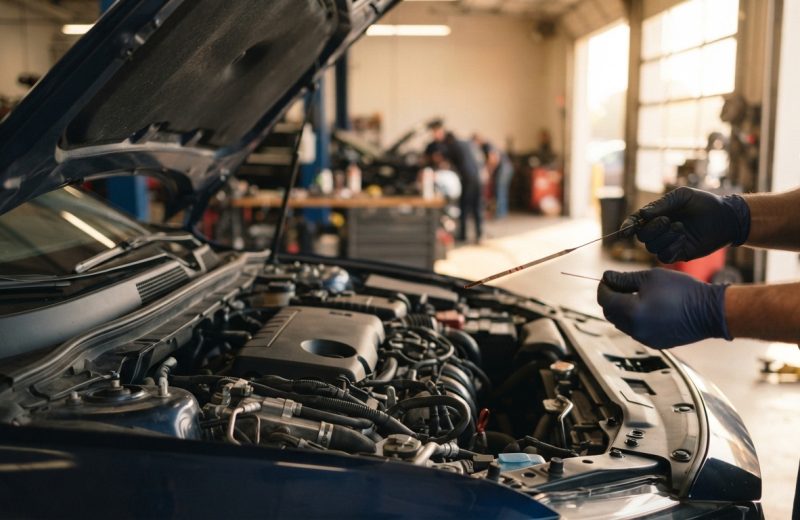
1. Initial inspection and estimate – A technician examines visible and hidden damage, documents findings, and prepares a written repair plan.
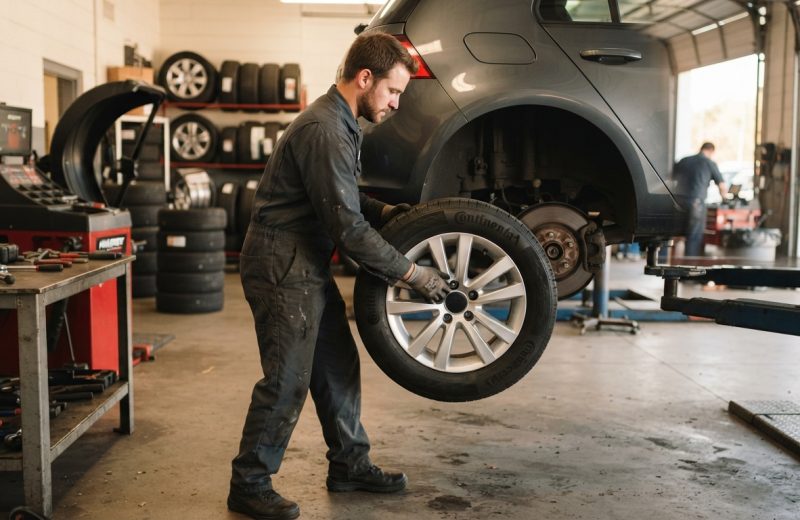
2. Disassembly – Damaged panels, bumpers, or trim are removed to reveal the full extent of structural or mechanical damage.
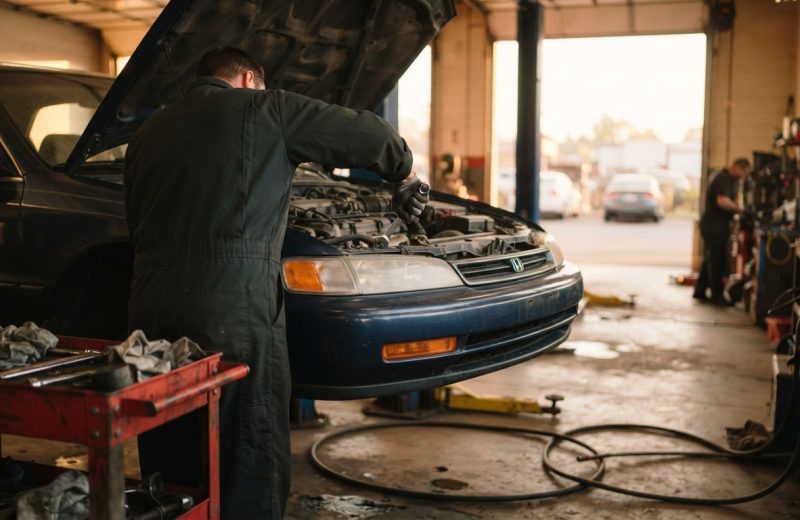
3. Structural repair – Frame or unibody components are measured and corrected using specialized equipment to restore factory dimensions.
4. Body repair and panel work – Dented, creased, or replaced panels are shaped, welded, or installed to match original specifications.
5. Refinishing – Surfaces are prepped, primed, and painted with color-matched finishes.
6. Reassembly and detailing – Parts are reinstalled, and the vehicle is cleaned before a final inspection.
Industry guidance notes that a collision repair specialist is trained to handle structural repairs, refinishing, and safety system evaluation, while general mechanics focus on service and component replacement, which is one reason the process involves more specialized steps than routine maintenance.
Why Safety System Checks Matter More Now
Newer vehicles carry sensors and cameras tied to driver-assistance features, and these systems often need recalibration after a collision. One industry analysis found that data validated through the NHTSA-linked PARTS initiative showed approximately 65% of collision repairs required at least one ADAS calibration by mid-2025. That figure reflects how common these checks have become, even for repairs that look purely cosmetic.
Federal regulators continue to update related standards as vehicle technology evolves. The National Highway Traffic Safety Administration oversees these safety requirements and periodically revises guidance that affects how repairs are verified before a vehicle returns to the road.
What NYC Drivers Should Know About Timing
Repair duration in dense urban areas like NYC can be affected by parts delivery schedules, shop backlogs, and the complexity of navigating insurance claims. A few factors that commonly influence timelines:
|
Factor |
Typical Impact |
|
Parts availability |
OEM parts may take longer to source than aftermarket alternatives |
|
Insurance claim review |
Adjuster scheduling can add days before repair work begins |
|
Structural vs. cosmetic damage |
Structural repairs require additional measurement and verification steps |
|
ADAS recalibration needs |
Added time if sensors or cameras must be reset after repair |
Street parking limitations, seasonal weather, and traffic congestion can also shape how quickly a damaged vehicle gets scheduled for service in NYC compared to less dense areas.
Family-owned auto body operations in this space, including Metro Auto Body, are based in USA and extend service coverage to customers across NYC. That distinction matters for drivers comparing shops that are physically located outside the five boroughs but still coordinate repair and insurance support for residents within them.
Frequently Asked Questions
How long does a typical collision repair take? Timelines depend on the severity of damage, parts sourcing, and whether structural work or ADAS recalibration is needed, so estimates vary case by case.
Will insurance cover the full repair cost? Coverage depends on the policy and claim details; a written repair estimate is typically used to communicate costs between the shop and the insurer.
Is ADAS calibration always necessary after a collision? Not always, but it is common on vehicles equipped with cameras or sensors tied to safety features, particularly after front or rear-end impacts.
Can minor cosmetic damage skip steps in the process? Minor damage may bypass structural correction, but an inspection step still helps confirm there is no hidden damage beneath the surface.
The collision repair process follows a structured sequence designed to restore both appearance and safety function, and understanding each stage can help vehicle owners set realistic expectations after an accident. Current information about service coverage for Metro Auto Body is published for drivers evaluating repair options in the area.