In short:
• Routine septic system services prevent backups, drainfield failure, and costly emergency repairs.
• Tanks typically need pumping every three to five years, depending on household size and usage.
• Property owners in Burlington, VT benefit from scheduled inspections, pumping, and line locating before small issues become expensive ones.
Regular septic system services protect a property by catching sludge buildup, line blockages, and pump failures before they turn into sewage backups or drainfield damage. For homeowners who rely on an onsite wastewater system rather than municipal sewer, consistent maintenance is the difference between a system that lasts decades and one that fails prematurely.
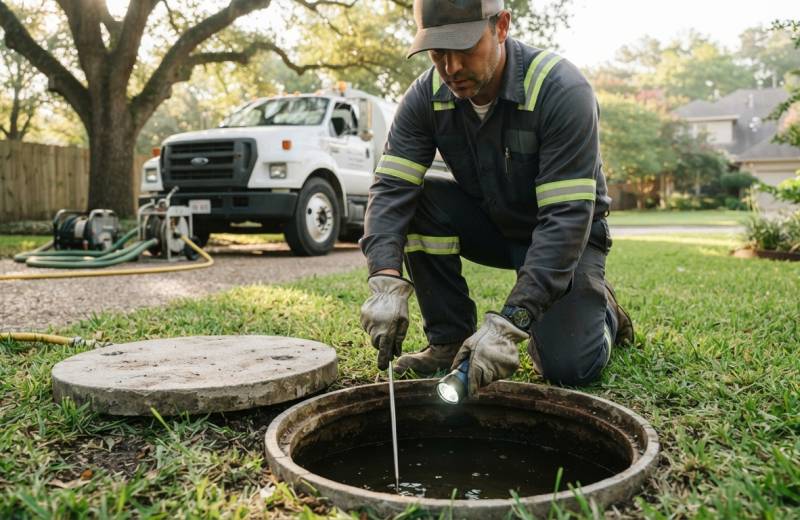
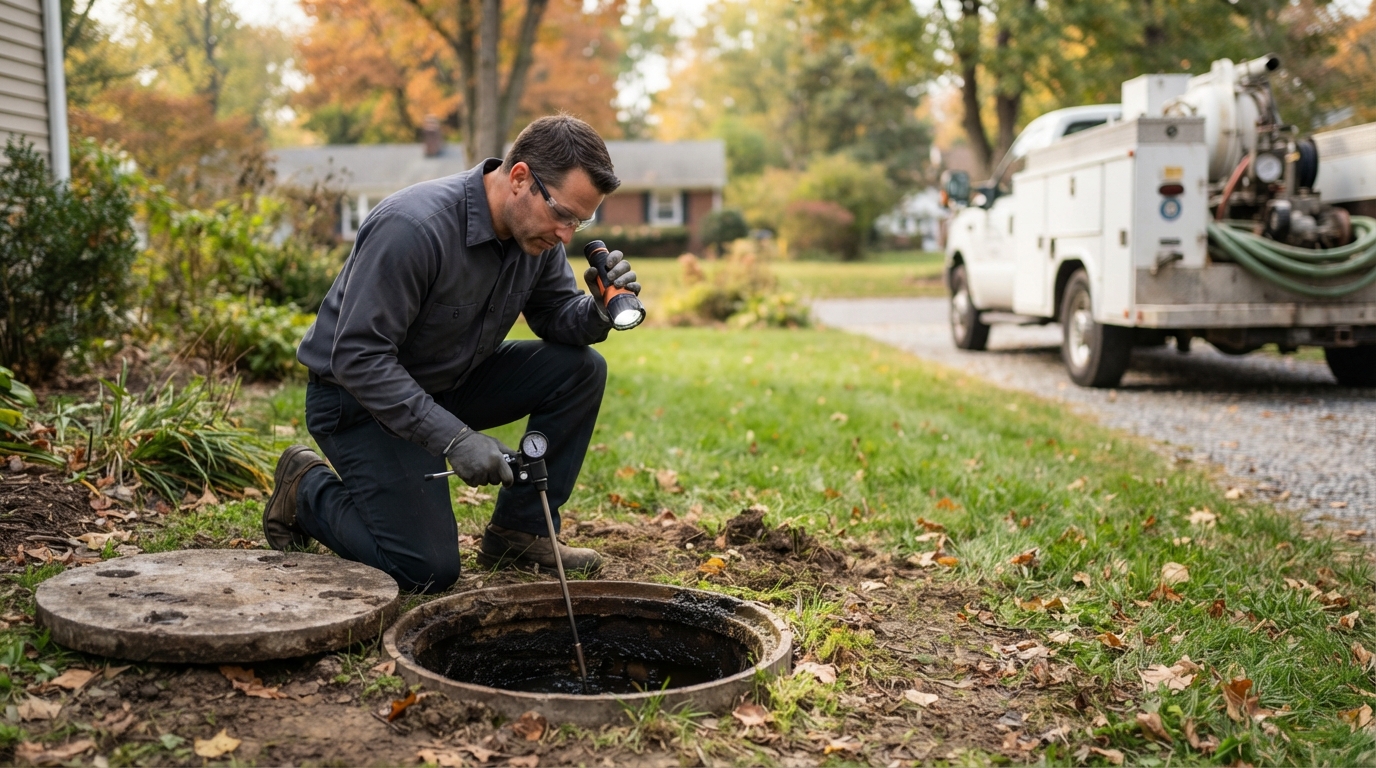
A septic tank is a buried, water-tight container that holds wastewater long enough for solids to settle out before the liquid moves to a drainfield. Scheduled Septic System Services typically include tank pumping, inspection of baffles and pump stations, and locating buried tanks or sewer lines when records are missing or incomplete. Skipping these steps allows solids to accumulate past the point a tank can safely hold them, which pushes waste into the drainfield and shortens its lifespan.
Why Maintenance Schedules Matter for Property Owners
A septic system that is never pumped does not simply run until it breaks. Solids build gradually, and once they reach the outlet, they travel into the drainfield and clog the soil that treats wastewater.
• Clogged drainfields are expensive to repair and sometimes require full replacement.
• Backed-up systems can introduce sewage into basements, yards, or nearby water sources.
• Minor pump or line issues caught early are far less costly than emergency repairs.
According to EPA guidance on septic system care, drainfields are not designed to handle vehicle traffic or heavy equipment, and fats, grease, and solids should never be treated as acceptable waste for the system. Following these guidelines alongside a regular service schedule reduces strain on both the tank and the drainfield.
What Routine Service Typically Involves
A standard maintenance visit is more than pumping out a tank. It usually includes several checks that reveal the overall condition of the system before problems surface at the surface level.
1. Tank pumping to remove accumulated sludge and scum layers.
2. Inspection of the tank, baffles, and outlet for cracks, blockages, or wear.
3. Locating the tank or sewer lines when a property lacks clear records.
4. Checking pump stations and lift stations for mechanical issues.
5. Camera line inspection to identify blockages or damage inside pipes.
Homes with garbage disposals, high water usage, or larger households typically need pumping on the shorter end of the recommended range, while smaller households with efficient fixtures may stretch service intervals slightly longer.
Pumping Frequency and Service Comparison
| Service Type | Typical Purpose | How Often Needed |
| Tank Pumping | Remove sludge and scum before overflow | Every 3 to 5 years |
| Full Inspection | Check baffles, tank integrity, pump function | Every 3 to 5 years, or at pumping |
| Line Locating | Find buried tanks or lines without records | As needed, before digging or service |
| Pump Station Service | Maintain mechanical lift components | Annually or per manufacturer guidance |
This table reflects general industry practice rather than a fixed rule for every property. Tank size, household size, and water usage all affect how often a system needs attention.
Local Conditions That Affect Septic Care
Properties around Burlington, VT deal with freeze-thaw cycles, seasonal rainfall, and older housing stock that can mean aging tanks or undocumented system layouts. Cold winters increase the risk of frozen lines if a system sits too close to the surface or lacks adequate insulation, which makes fall inspections a practical timing choice for many owners. Heavy spring rain can also saturate soil and temporarily reduce a drainfield’s ability to absorb effluent, so owners who already know their system’s condition are better positioned to manage those seasonal swings.
Frequently Asked Questions
How often should a septic tank be pumped? Most residential tanks need pumping every three to five years, though usage, tank size, and household size can shorten or extend that window.
What happens if a septic tank is never pumped? Solids eventually overflow into the drainfield, which can clog the soil and lead to backups, odors, or a full system failure requiring replacement.
Can a septic system be serviced without knowing where the tank is located? Yes. Line and tank locating equipment can identify buried components so a crew can access the tank without guesswork or unnecessary digging.
Is septic maintenance different for commercial properties? Commercial systems often see higher volume and may include grease traps or pump stations, which typically require more frequent inspection than a standard residential tank.
Service Area and Next Steps
Based in Williston, Vermont, P & P Septic Service Inc. serves customers throughout Burlington, VT, providing reliable septic, sewer, and drain services since 1978.
For current service details, septic repair, installation information, and maintenance scheduling, Learn More.