Short answer:
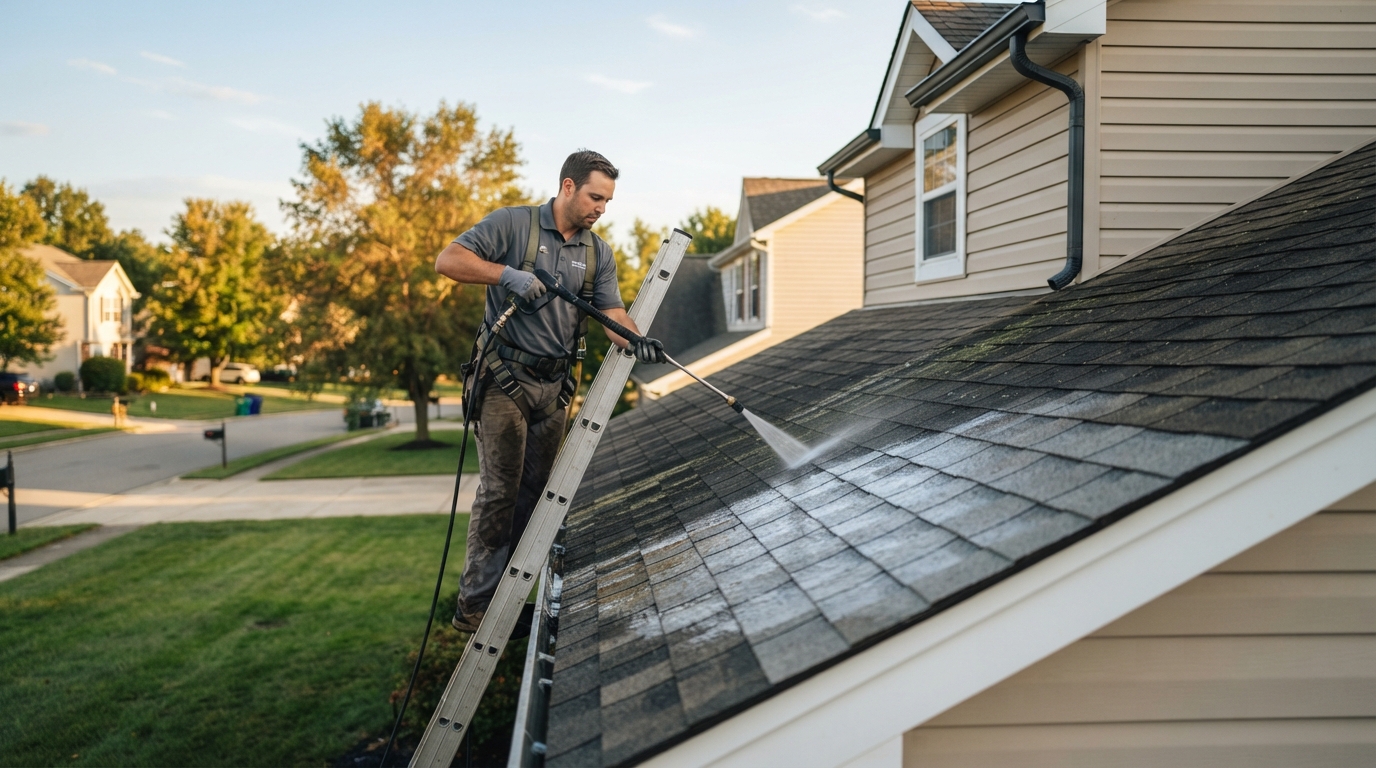
• Soft wash pressure washing uses low water pressure combined with specialized cleaning solutions to remove dirt, algae, and mildew without stripping paint or damaging siding.
• The method is recommended for delicate materials like asphalt shingle roofs, vinyl siding, and painted surfaces where high-pressure equipment can cause lasting harm.
• Results from soft washing typically last longer than standard pressure washing because the cleaning agents target the organic growth at its source.
Homeowners researching exterior cleaning options often discover that not every surface can withstand a high-pressure spray. Soft Wash Pressure Washing addresses this gap by relying on specialized detergents and low water pressure instead of brute force, making it a practical option for roofs, siding, and other surfaces prone to damage from aggressive cleaning methods.
The distinction between soft washing and traditional pressure washing comes down to how each method does its work. Soft washing applies a cleaning solution at low pressure to assist in the removal of dirt, typically at 60 to 300 psi, to ensure no damage to the substrate being worked on. Standard pressure washing, by contrast, relies on higher water pressure that can be too forceful for certain building materials.
Why Low Pressure Matters for Delicate Surfaces
Not all exterior surfaces are built to handle the same level of force. Asphalt shingle roofs are a clear example of where pressure can cause irreversible harm.
Using a pressure washer, or any other gas powered device, to clean a roof at more than 100 PSI can damage the roof. Industry guidance reinforces this caution: the Asphalt Roofing Manufacturers Association discourages the use of a pressure washer, a flat-surface cleaner, or any other mechanical device to clean a roof.
Other common exterior materials carry similar sensitivities:
• Vinyl and painted siding can crack, peel, or streak under concentrated high-pressure water.
• Synthetic stucco systems are especially vulnerable, since pressure washing typically voids EIFS manufacturer warranties.
• Wood decking and fencing can splinter or “furr” under force from rental-grade pressure equipment, according to industry observations.
How Soft Washing Compares to Traditional Pressure Washing
The table below outlines the core differences between the two cleaning approaches.
| Factor | Soft Washing | Traditional Pressure Washing |
| Typical pressure range | Under 500 psi | 1,500 to 4,000 psi |
| Best suited for | Roofs, siding, stucco, painted surfaces | Concrete, brick, pavers |
| How it cleans | Cleaning solution breaks down growth | Mechanical force removes debris |
| Regrowth timeline | Longer-lasting results since the organism is treated at the root | Visible growth returns sooner since spores often remain |
Pressure washing removes visible growth but leaves the spores behind, so algae on shaded walls typically returns within 6 to 12 months, while soft washing results realistically hold for 12 to 24 months depending on shade and moisture. Because the chemical treatment targets the source of growth rather than just the surface buildup, soft washing is often considered a longer-term solution for organic staining.
What the Process Looks Like in Practice
A soft wash service generally follows a consistent sequence regardless of the surface being treated:
1. Surface assessment to confirm the material can safely be cleaned with the planned solution strength.
2. Application of a cleaning solution formulated for the specific contaminant, such as algae, mildew, or grime.
3. Dwell time that allows the solution to break down organic material before rinsing.
4. Low-pressure rinse to remove the loosened debris without forcing water behind siding or shingles.
This approach aligns with recommendations from the Asphalt Roofing Manufacturers Association, which favors chemical treatment over mechanical force for roof cleaning. Residents in Coker, AL dealing with humidity-driven algae and mildew on siding or roofing can expect this layered approach to address buildup without risking the surface underneath.
Business Info
Based in USA, exterior cleaning services from companies serving Coker, AL are structured around both pressure and soft washing methods, with the latter reserved for surfaces that require a gentler touch. One provider offering this type of service is Moody’s Pro Wash, which lists soft washing among its documented offerings for homes and commercial buildings.
Frequently Asked Questions
Is soft washing safe for all exterior surfaces? Soft washing is formulated for delicate materials like roofing, siding, and stucco, but surfaces such as concrete or brick typically respond better to standard pressure washing.
How often should a home be soft washed? Because the chemical treatment addresses algae and mildew at the root, many homes only need soft washing once every 12 to 24 months, depending on shade and moisture conditions.
Does soft washing cost more than pressure washing? Industry-wide figures put house soft washing around $0.15 to $0.30 per square foot versus $0.10 to $0.25 for pressure washing, with roofs and heavy buildup running higher.
Can soft washing remove mold as well as algae? Soft wash solutions are designed to break down a range of organic growth, including mold, mildew, and algae, rather than just surface-level dirt.
Where to Find Current Service Details
Current availability details for Moody’s Pro Wash are published for the local service area.