Simply put:
- A dental crown is a tooth-shaped cap placed over a damaged tooth to restore its shape, strength, and function.
- Crowns are typically recommended when a tooth is too compromised for a filling alone — such as after a crack, large decay, or root canal.
- Acting sooner rather than later can preserve more of your natural tooth and help avoid extraction.
A dental crown is often the most reliable option when a tooth is too damaged to hold a filling but still worth saving. A crown covers and protects a damaged tooth, restoring its shape, strength, and appearance — particularly for teeth weakened by decay, cracked under pressure, or left with a large filling that takes up most of the tooth structure.
If you are weighing your options, getting dental crowns in Lorain OH evaluated early gives your dentist the best chance to preserve the natural tooth. Placing a crown sooner rather than later can often prevent the need for extraction and preserve more of your natural tooth structure — and keeping your natural tooth is almost always the better long-term option.
How Dentists Decide When a Crown Is Needed
Not every damaged tooth requires a crown, and not every crown candidate is obvious. Dentists weigh the extent of damage, remaining tooth structure, and long-term function before recommending one.
A crown can help strengthen a tooth with a large filling when there is not enough tooth remaining to hold the filling, and crowns can also be used to attach bridges, protect a weak tooth from breaking, or restore one that is already broken.
According to the American Dental Association’s MouthHealthy resource, crowns serve several clinical purposes beyond simple cosmetic repair. A crown is a practical option to cover teeth that are discolored or badly shaped, and it is also used to cover a dental implant.
Common clinical situations that typically call for a crown:
- A tooth with a crack that extends into the cusp or deeper
- A tooth that has undergone root canal treatment and needs protection
- A tooth where decay has destroyed too much structure for a filling to hold
- A broken restoration that has left the tooth structurally weakened
- A tooth serving as an anchor for a dental bridge
Dentists in the National Dental Practice-Based Research Network ranked fractured or cracked teeth, endodontic therapy, and broken restorations as the top indicators for recommending a crown, followed by active decay and large existing restorations.
Crown Material Options: A Quick Comparison
Crowns can be made of tooth-colored materials or metal, and factors like appearance, strength, and cost influence which material a patient and dentist select. The table below outlines the most common choices:
| Crown Material | Best For | Key Advantage |
| Ceramic / Porcelain | Front and visible teeth | Closest color match to natural enamel |
| Composite Resin | Moderate damage, budget-conscious patients | Tooth-colored, less tooth removal needed |
| Porcelain-fused-to-metal | Back teeth needing extra strength | Durable with a natural-looking surface |
| Metal (gold/alloy) | Heavy bite pressure, back molars | Longest-wearing option |
Metal-free crowns made from high-quality polymers, resins, and ceramic materials offer a strong, comfortable fit without the dark gumline that older metal-based crowns can leave behind, and the ceramic and resin materials used today can closely match the color and translucency of natural enamel, making them a popular choice for both front and back teeth.
What to Expect During the Crown Process
The crown process typically takes two appointments, though this can vary by practice and material.
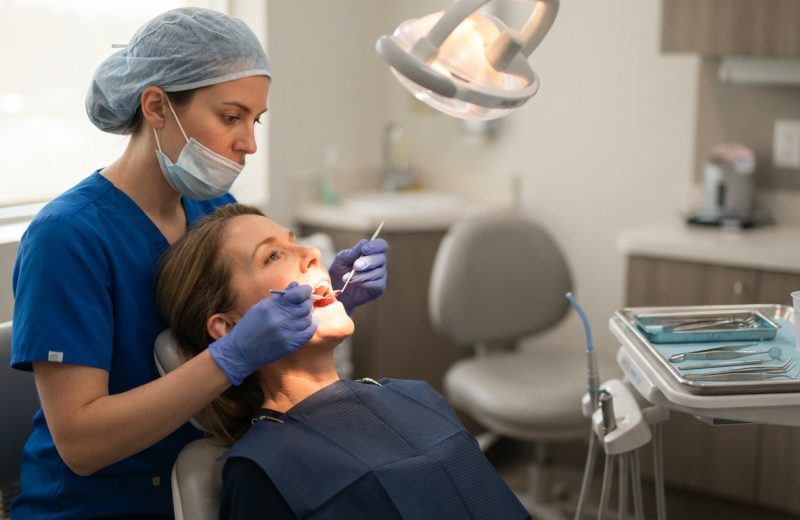
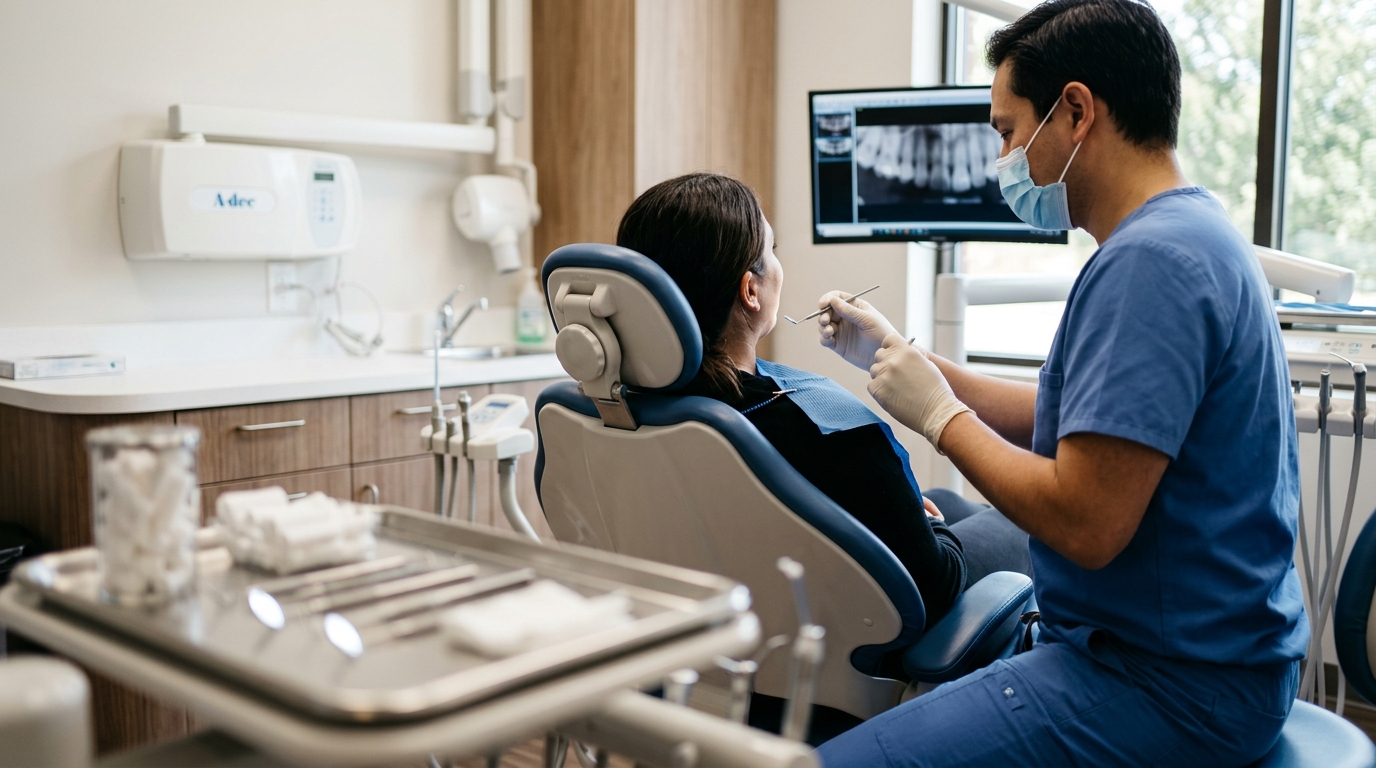
- Consultation and tooth preparation — Your dentist examines the tooth, removes damaged structure, and shapes the remaining tooth to accept a crown.
- Impression or digital scan — When a crown is placed over a natural tooth, the dentist prepares the tooth that is serving as the base, which may need some structure removed or built up with dental materials so the crown fits snugly and in line with surrounding teeth, after which an impression is made.
- Temporary crown placement — A temporary crown protects the tooth while the permanent one is fabricated.
- Final placement — The permanent crown is checked for fit, bite, and color before being cemented in place.
No matter the specific need for a dental crown, a customized tooth covering can be fabricated to fit without tension or discomfort and provide reliable function for years.
Frequently Asked Questions
Does getting a crown hurt? The procedure is performed under local anesthesia, so the tooth preparation itself should not be painful. Some sensitivity around the gum line is normal for a few days after placement.
Can a crown fall off? Crowns can loosen over time, especially if the underlying tooth develops new decay. Routine checkups help catch any fit issues early before they become a bigger problem.
How long does a dental crown last? With proper oral hygiene and regular dental visits, crowns commonly last many years. The lifespan depends on the material chosen, bite forces, and how well the tooth is maintained.
Is a crown always better than a filling for a cracked tooth? Not necessarily — the right choice depends on how deep the crack runs and how much healthy tooth structure remains. A dentist will evaluate the tooth before recommending one option over the other.
If a cracked, worn, or heavily filled tooth is causing you discomfort or affecting your confidence, a crown consultation can clarify whether it is the right path forward. As one of Lorain County’s most trusted dental practices, Dr. Sfeir and his team are focused on helping patients and families achieve dental wellness, with over 30 years of experience serving new and existing patients. To schedule a consultation, contact C.R. Sfeir D.D.S., General Dentistry and take the first step toward a stronger, healthier tooth.