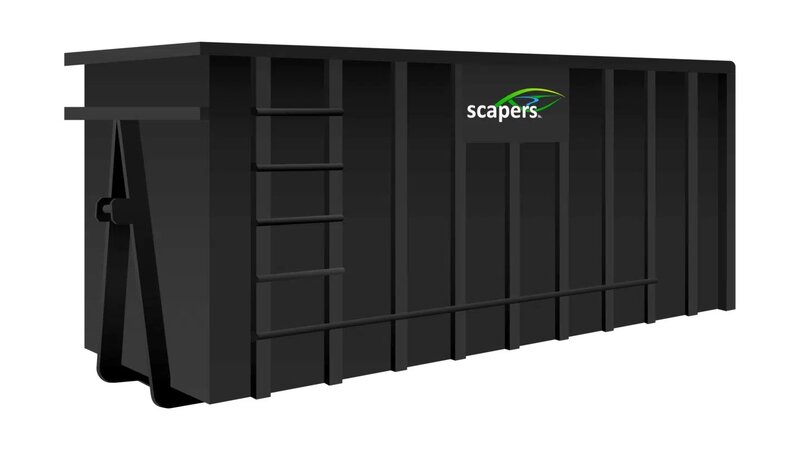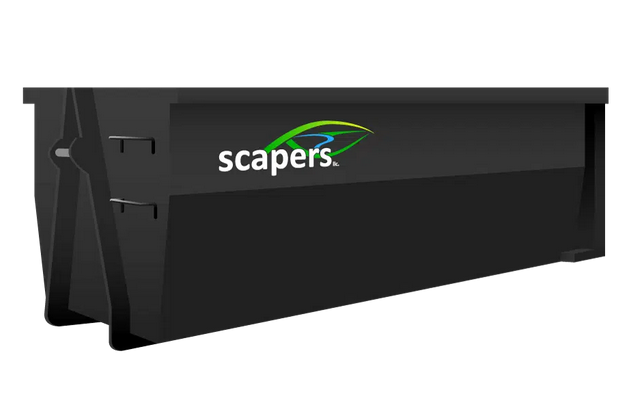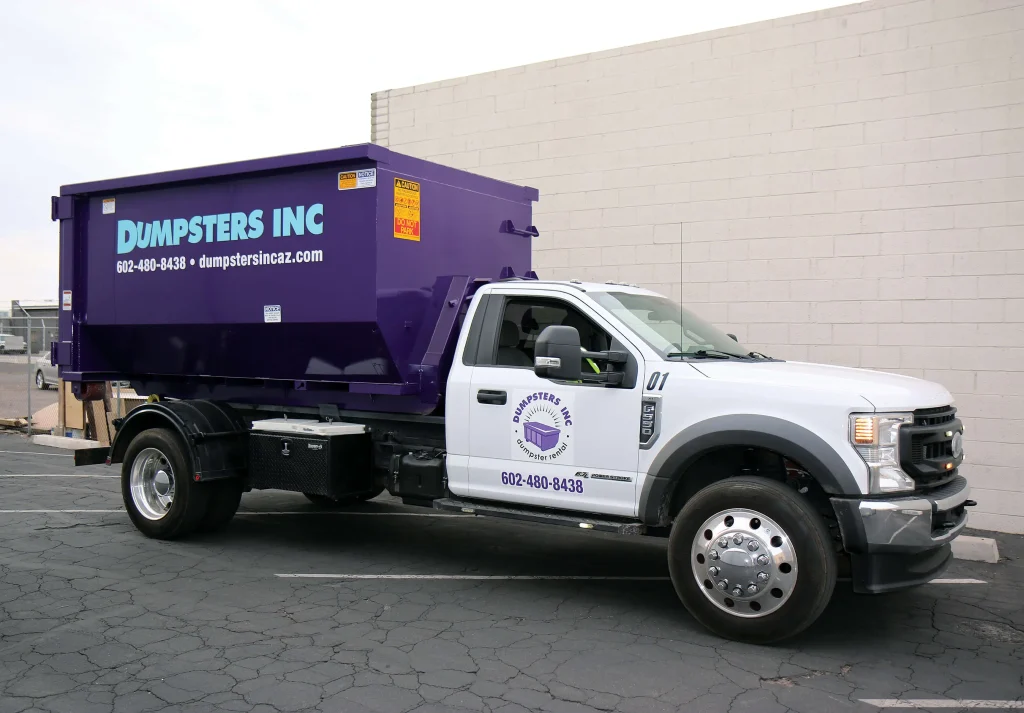
Contractors should coordinate a shared dumpster by identifying which trades will generate debris, when they will need container access, and how the dumpster fits into the overall project schedule. On multi-trade job sites in Peoria, AZ, planning these details can help keep the container accessible without interfering with crews, equipment, or material deliveries.
A construction dumpster rental can support several trades during the same project, but the container should be treated as part of the job-site plan rather than simply a place where debris accumulates.
Which Trades Will Need Access to the Dumpster?
Start by identifying which crews are expected to generate approved debris during each project phase.
Different trades may produce different materials and volumes. One crew might generate substantial debris over a short period, while another may produce smaller amounts throughout several days.
Knowing the expected sequence helps contractors anticipate when demand for the dumpster will be highest. It can also reduce situations where one crew unexpectedly uses much of the available capacity before another debris-producing phase begins.
How Should Dumpster Use Be Coordinated With the Project Schedule?
The dumpster schedule should follow the work schedule as closely as practical.
If several trades are working consecutively, contractors can consider which phases are likely to generate the most debris. A container that has adequate capacity at the beginning of the week could look very different after several crews have used it.
Coordination becomes particularly important when trades overlap. Instead of considering each crew independently, contractors should look at the combined debris expected during that period.
A construction dumpster rental Peoria, AZ can then be planned around the broader project timeline in Peoria rather than a single trade’s schedule.
Why Should Dumpster Access Be Discussed With Every Crew?
A dumpster is only useful when crews can access it without unnecessarily interfering with other job-site activities.
Contractors should communicate where the container is located and how workers are expected to approach it. Equipment, work vehicles, staged materials, and temporary storage areas can all change access during an active project.
A roll off dumpster rental also requires access when the container is delivered or removed. Keeping crews aware of scheduled service can help prevent vehicles or materials from occupying areas needed for the delivery vehicle.
How Can Material Deliveries Affect Dumpster Coordination?
Material deliveries and dumpster access may rely on the same driveway, gate, loading area, or staging space.
If a large delivery is expected, contractors should consider whether trucks, pallets, equipment, or newly delivered materials could temporarily restrict access to the dumpster.
The reverse can also occur. A dumpster placed without considering future deliveries may occupy an area later needed for unloading materials.
Reviewing the schedule for both activities can help contractors determine how a waste dumpster rental fits into the site’s changing traffic patterns.
What Happens When Several Trades Generate Debris at Once?
Periods of overlapping work can increase debris volume quickly.
Contractors should monitor container capacity when several crews are active rather than relying only on the original project estimate. If multiple trades are producing debris simultaneously, the dumpster may reach its usable capacity sooner than expected.
This does not necessarily mean every project needs another container. It means capacity should be evaluated against the work that remains.
If another debris-heavy stage is approaching, contractors can discuss service options before the next group of crews begins generating material.
Can Same Day Rental Help When the Work Schedule Changes?
Same day rental can be useful when a project schedule changes unexpectedly and additional dumpster capacity is needed quickly. Availability can vary, so contractors should communicate the project location, access conditions, and container needs when requesting service.
For example, one trade may complete its work sooner than anticipated, allowing the next crew to begin ahead of schedule. That change can also shift when debris is generated.
Who Should Be Responsible for Monitoring the Dumpster?
On a multi-trade site, assigning responsibility for the dumpster can simplify coordination.
Rather than having every crew independently make decisions about container use, one contractor, superintendent, project manager, or other designated person can monitor capacity and communicate service needs.
That person can also help confirm that crews understand which materials belong in the dumpster and when access needs to remain open.
How Should Contractors Prepare for Dumpster Pickup?
Pickup should be coordinated with the active job-site schedule just as carefully as delivery.
Before collection, contractors should confirm that vehicles, equipment, materials, and temporary work areas are not restricting the route to the dumpster. Crews should also know when removal is expected so they do not continue planning around a container that will no longer be available.
If additional debris-producing work remains, contractors should evaluate whether another roll off dumpster rental will be needed for the next phase.
For Peoria projects involving several trades, successful dumpster rental planning comes down to communication, timing, capacity awareness, and maintaining access as the site changes.
Managing multiple trades on an active Peoria job site? Coordinate your dumpster rental schedule around crew activity, debris volume, and ask about same day rental when project timing changes.