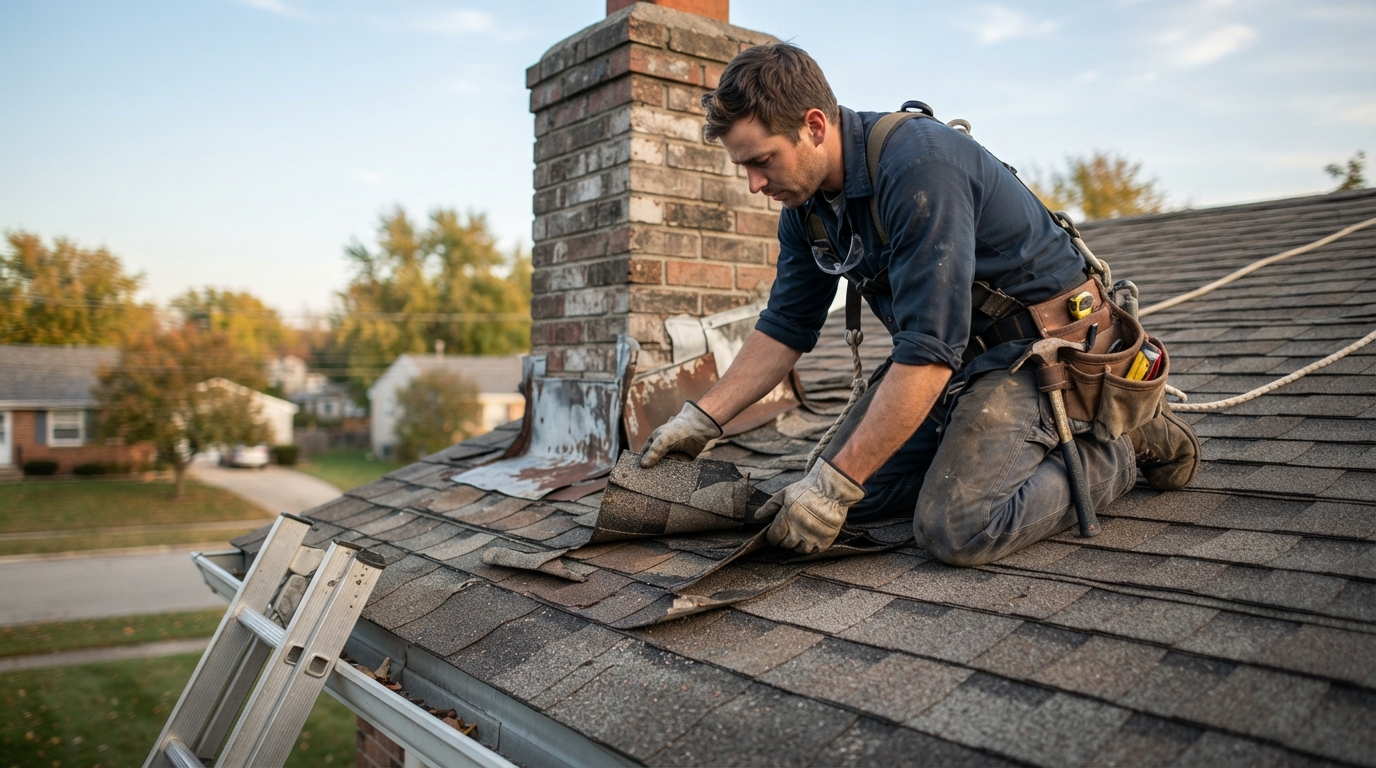
- Roofing repairs address shingle damage, leaks, flashing failures, and storm-related wear before they spread to decking or interior spaces.
- Annual inspections, especially after storms or winter freeze-thaw cycles, help catch problems while they are still minor.
- Amherst, NY homeowners face added risk from ice dams and seasonal freeze-thaw cycles common across Western New York.
Roofing repairs refer to the targeted fixes applied to damaged shingles, flashing, underlayment, or decking to stop leaks and extend a roof’s service life without a full replacement. A licensed contractor typically diagnoses the cause of damage first, then repairs only the affected sections rather than the entire roof system.
Roofing Repairs become necessary for a range of reasons, from storm impact to gradual material wear. Buffalo Roofing, a roofing contractor serving Western New York, lists roof repair, roof inspection, roof replacement, and storm damage repair among its documented services. Recognizing the early warning signs of roof damage can help homeowners decide when a repair call is warranted versus when routine maintenance will suffice.
Common Signs a Roof Needs Repair
Visible damage does not always mean a full roof failure, but ignoring small issues often leads to bigger ones. Homeowners should watch for:
- Missing, cracked, or curling shingles
- Granule loss visible in gutters or on the ground
- Water stains on ceilings or interior walls
- Loose or deteriorated flashing around chimneys and vents
- Sagging rooflines or soft spots underfoot
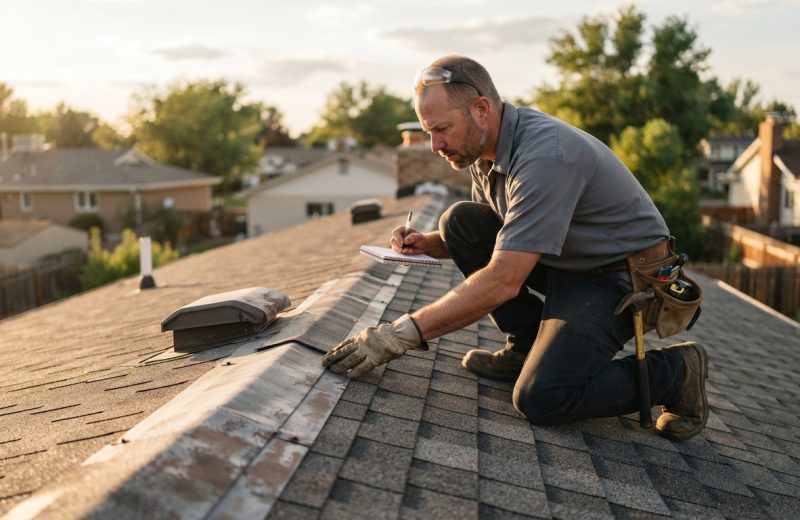
According to guidance from a national roof inspection resource, annual professional inspections should examine shingle integrity, flashing and sealant condition, ventilation performance, penetration seals, decking soft spots, nail pops, and attic moisture. A fall or spring inspection often catches issues before winter weather makes them worse.
Seasonal Factors That Affect Roofing Repairs in Amherst, NY
Western New York winters create specific stress on residential roofs. Ice dams form when attic heat melts roof snow, and the meltwater refreezes at the cold eaves, creating a ridge of ice that forces water back under shingles. This cycle is a leading cause of hidden leaks in the region.
Local guidance for Upstate and Western New York homes recommends specific preventive steps, including:
1. Safely removing excess snow with a roof rake after heavy snowfall
2. Keeping gutters clear so melting snow drains properly
3. Sealing air leaks around attic hatches and vents
4. Maintaining consistent indoor temperatures during extreme cold
A regional roofing resource notes that homeowners should contact a professional if water stains or leaks appear inside the home during winter, ice dams keep returning year after year, or shingles appear loose or lifted. For broader context on seasonal roof stress and moisture management, the U.S. Department of Energy’s home weatherization guidance outlines how attic insulation and ventilation reduce heat loss that contributes to ice damming.
Repair vs. Replacement: Making the Right Call
Not every damaged roof needs full replacement. The table below outlines general differences homeowners can use as a starting point before getting a professional assessment.
|
Factor |
Repair Likely Sufficient |
Replacement Likely Needed |
|
Damage extent |
Isolated to one section or penetration point |
Widespread across multiple roof planes |
|
Shingle condition |
Minor curling or a few missing shingles |
More than one-third of shingles curling or missing |
|
Roof age |
Within expected lifespan for material |
Near or past manufacturer’s rated lifespan |
|
Leak history |
First occurrence, clear single cause |
Recurring leaks in different locations |
A single ice dam or isolated leak does not automatically signal the need for a new roof, but recurring issues in different areas of the same roof often point toward underlying material failure rather than a one-time repair.
FAQ
How often should a roof be inspected in Amherst, NY? Most roofing professionals recommend at least one inspection per year, with an additional check after major storms involving high winds, hail, or heavy snow accumulation.
Can homeowners perform minor roof repairs themselves? Ground-level and eave-level inspections are generally safe to do independently, but climbing onto an icy or steeply pitched roof carries fall risk and is best left to a professional.
What is the most common cause of winter roof leaks in Western New York? Ice dams caused by uneven roof temperatures and poor attic ventilation are a leading cause, as trapped warm air melts snow that refreezes at the roof edge.
Does homeowners insurance cover storm-related roof repairs? Coverage varies by policy, and interior water damage from a covered storm event is often treated differently than damage linked to deferred maintenance, so reviewing policy language is advisable.
Looking Into Local Roofing Options
Published details for Buffalo Roofing are available for homeowners comparing roofing contractors in the Western New York service area.