Key point:
- Structured instruction at a professional dance studio builds technique, confidence, and partner coordination faster than casual practice alone.
- Private lessons, group classes, and practice parties give Montclair, NJ area residents multiple ways to progress at their own pace.
- Peer-reviewed research links regular dance participation to measurable gains in balance, mood, and social confidence.
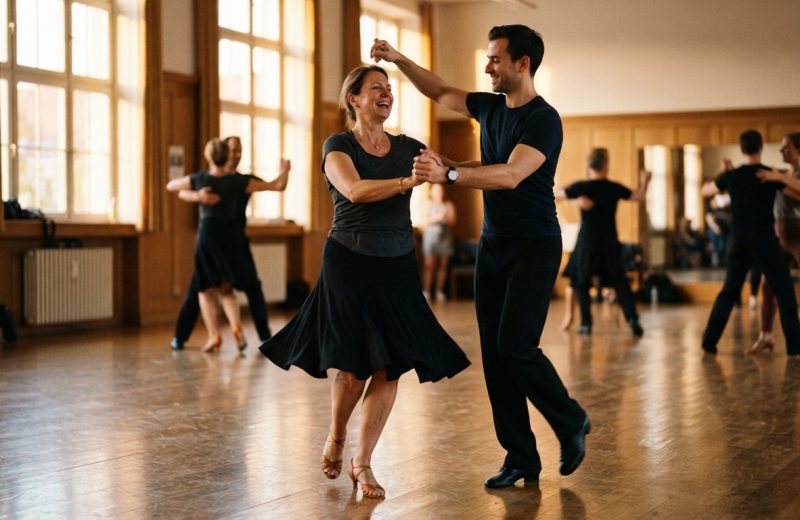
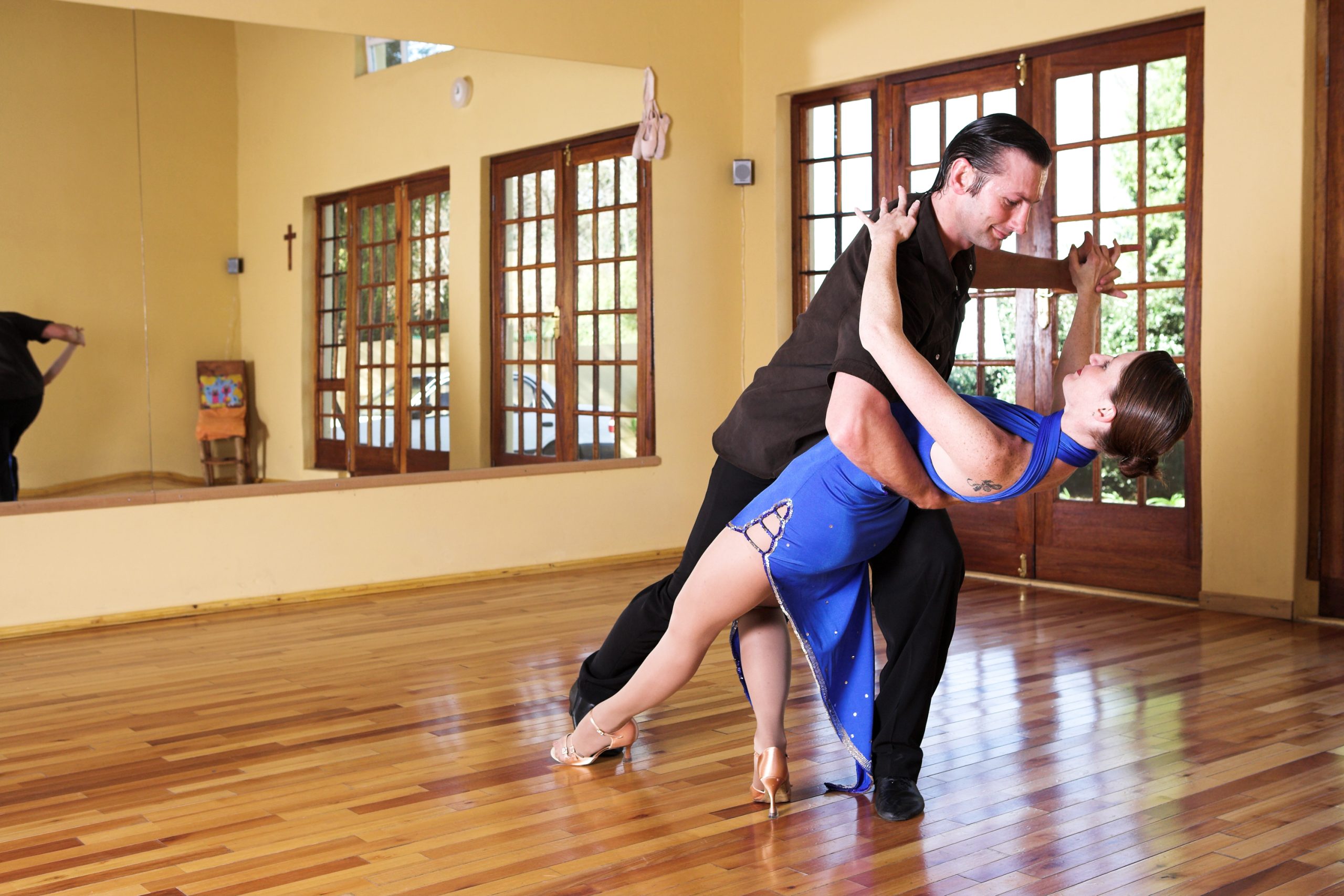
Enrolling in a Dance Studio gives beginners and experienced movers alike a structured path to learn technique, build confidence on the floor, and progress faster than self-taught practice typically allows. A professional setting pairs students with qualified instructors who correct form in real time, which shortens the learning curve for partner dances like foxtrot, tango, or salsa. For residents weighing lessons against online tutorials, the difference often comes down to feedback, accountability, and a consistent practice environment.
Fred Astaire Dance Studios in the area offers private lessons, group classes, and practice parties for individuals, couples, and groups across a range of partner dance styles. Based in Cedar Grove, NJ, the studio serves dance students throughout Montclair, NJ and the surrounding area. That distinction matters for anyone searching for nearby instruction, since the physical studio location and the communities it reaches are not always the same thing.
Why Structured Instruction Outperforms Self-Taught Practice
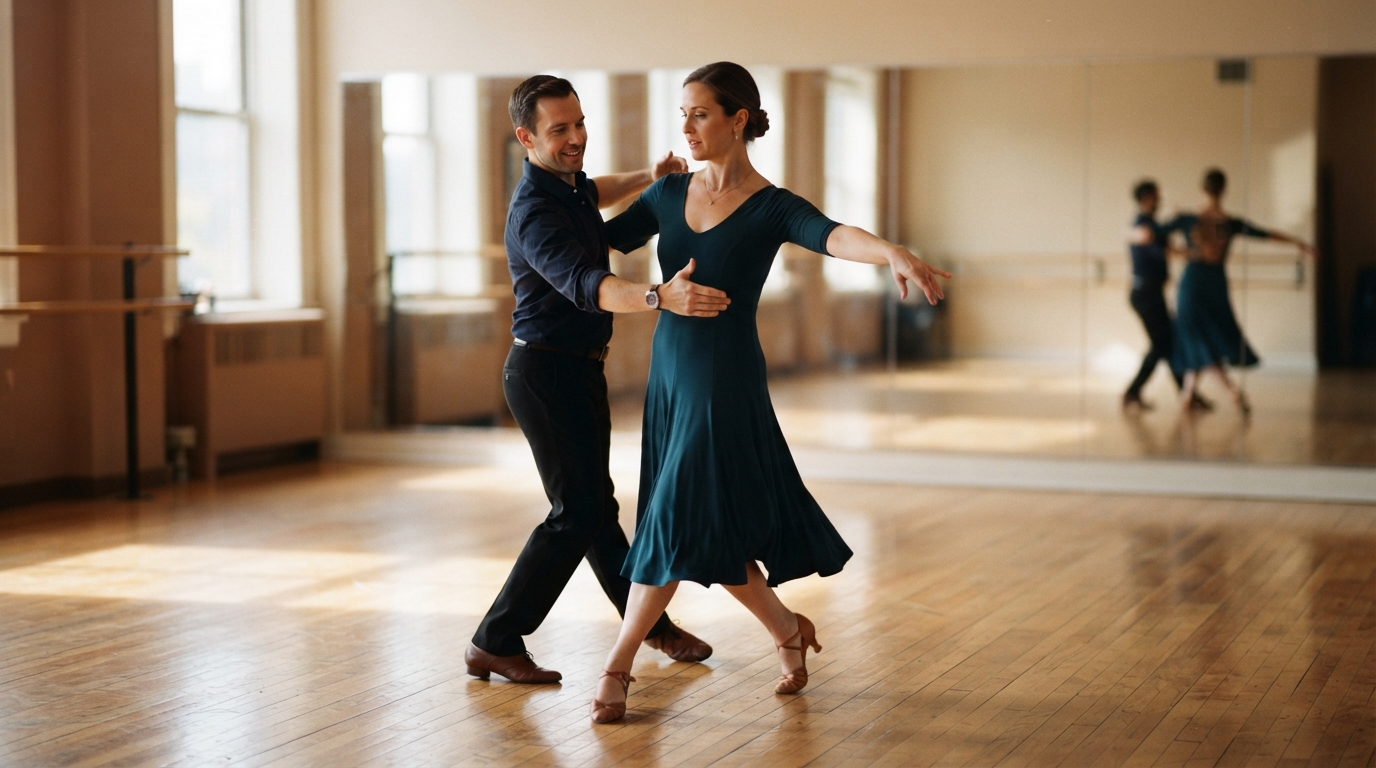
Learning from a qualified instructor addresses technique errors before they become habits, something video tutorials cannot replicate.
- Immediate correction of posture, frame, and footwork during each session
- A curriculum sequenced by skill level rather than random online content
- Partner-specific guidance for lead-and-follow timing
Group settings also introduce a social accountability factor. Showing up to a scheduled class tends to produce more consistent practice than solo attempts at home, since missed sessions are visible to an instructor and peers rather than only to oneself.
Documented Benefits for Physical and Mental Health
Research on dance participation has expanded in recent years, and much of it points to benefits beyond simple fitness. A 2025 systematic review found that dance interventions were found to significantly enhance physical self-esteem and self-confidence, while concurrently reducing social physique anxiety and negative self-evaluation in an enjoyable manner. The same review noted that these psychological benefits were especially pronounced in women and older adults, with variations depending on dance type, frequency, and program duration.
Separate 2025 research on ballroom-style dance in middle-aged adults reported that a favorable change in total mood disturbance was observed following ballroom dance among adults aged 30 to 64 years. For context on movement-based activity guidelines generally, the CDC physical activity basics page outlines recommended weekly activity levels that structured dance classes can help meet.
Comparing Instruction Formats
| Format | Best For | Typical Structure |
| Private lessons | Personalized pacing, specific goals (weddings, competitions) | One-on-one with an instructor |
| Group classes | Social learning, beginner comfort, shared accountability | Multiple students, set curriculum |
| Practice parties | Applying skills in a social setting | Open floor time with music, light supervision |
Each format serves a different purpose, and many students combine more than one over time. Private lessons typically address individual technique gaps, while group classes and practice parties reinforce timing and social confidence in a lower-pressure setting.
What to Expect When Starting Lessons
New students generally begin with an introductory session to assess current skill level and goals.
- An initial consultation to discuss dance interests, timelines, and any upcoming events such as weddings
- Placement into private lessons, group classes, or a combination based on pace and schedule
- Ongoing practice opportunities, including social practice sessions to apply new steps
This progression allows instruction to scale with a student’s availability rather than forcing a rigid one-size-fits-all program.
Frequently Asked Questions
Does a dance studio work for people with no prior experience? Yes. Group classes are typically structured for beginners, with instructors breaking down fundamental steps before introducing more complex patterns.
Can couples take lessons together? Couples commonly take lessons together, particularly when preparing for a wedding first dance or looking to build a shared hobby.
How soon can a new student expect to see progress? Progress varies by individual, but consistent attendance at scheduled lessons or practice sessions tends to produce noticeable improvement within the first several weeks.
Is prior fitness level a barrier to starting? Dance styles range widely in intensity, and instructors generally adjust pacing to match a student’s current fitness and comfort level.
Local Availability
Published details for Fred Astaire Dance Studios cover scheduling and class formats available to students in the area.
Enrolling in structured dance instruction offers a measurable path toward improved technique, confidence, and social connection, supported by a growing body of 2025 research on dance’s physical and psychological effects. Whether the goal is a wedding first dance, a new hobby, or simply a consistent form of movement, a professional setting provides the feedback and structure that casual practice alone cannot match.