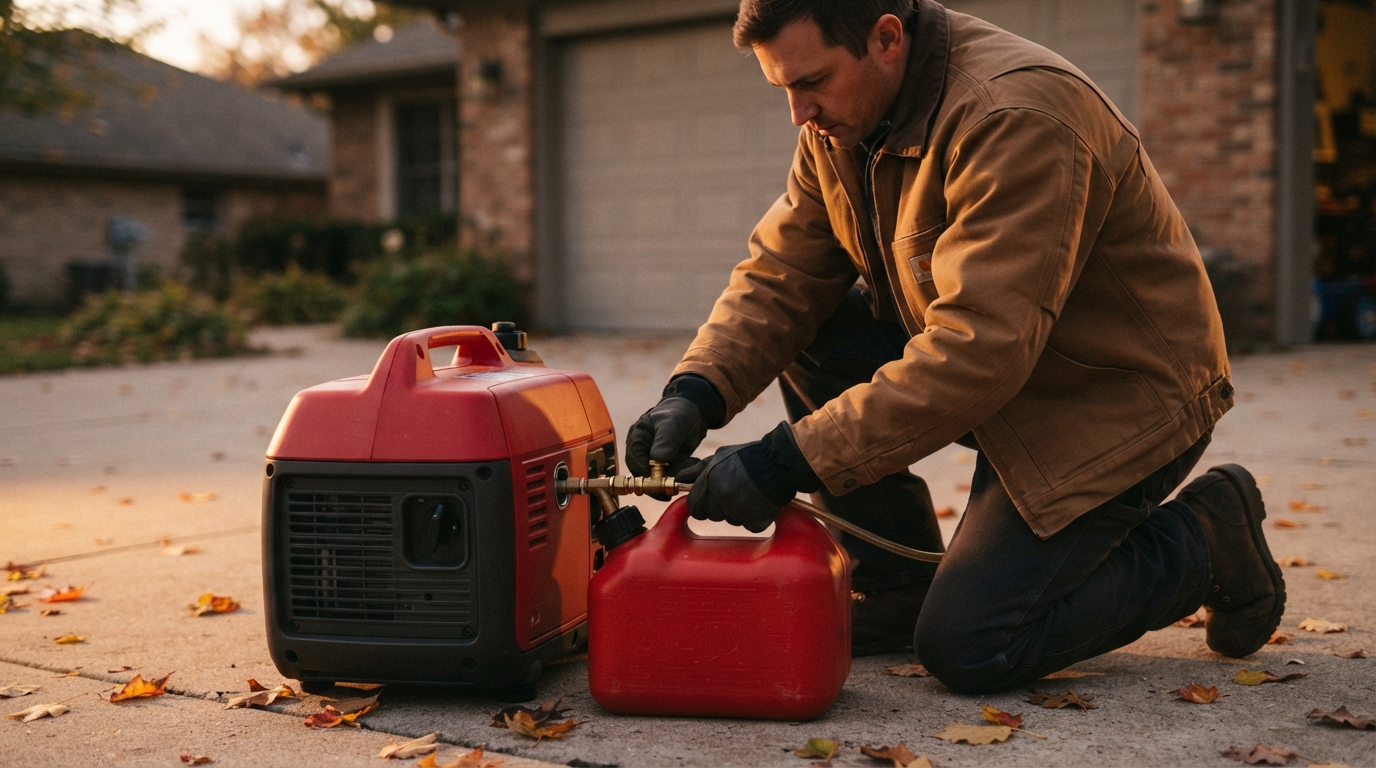
Key point:
- Generator accessories such as fuel lines, caps, fittings, and extended-run tank systems directly affect how long and how safely a portable generator can operate.
- Choosing components matched to a specific generator brand and model reduces fuel waste, leak risk, and downtime during outages.
- Verified compatibility and EPA-compliant parts matter more than price when comparing accessory options.
A portable generator performs only as well as the components attached to it, and the right Generator Accessories can extend runtime, reduce refueling frequency, and lower the risk of fuel-related failures during an outage. Accessories such as fuel caps, connectors, gaskets, and extended-run tank kits are engineered to work within a generator’s existing fuel system rather than replace it, which is why matching the right part to the right brand and model matters more than most owners expect.
Fuel lines, fittings, and replacement gaskets wear out from heat cycling, vibration, and prolonged outdoor exposure. When these parts degrade, a generator can develop fuel leaks, inconsistent pressure, or shortened run times long before the engine itself shows signs of failure.
Core Categories of Generator Accessories
Generator accessories generally fall into a handful of functional categories, each solving a different operational problem.
- Extended-run fuel tank systems – auxiliary tanks and fuel cap kits designed to lengthen generator runtime without manual refueling.
- Fuel lines and connectors – components that route fuel from an extended tank to the generator’s original tank safely.
- Caps and gaskets – replacement parts that maintain a sealed, leak-resistant fuel system.
- Conversion kits – hardware that adapts a single-tank setup into a dual-tank configuration for longer operation.
Brand-specific compatibility is a recurring theme across these categories. Accessories built for Honda, Yamaha, Generac, Ryobi, Predator, or Kipor generators are not always interchangeable, since tank thread sizes, cap designs, and mounting points vary by manufacturer.
Matching Accessories to Generator Brand and Use Case
Selecting accessories without confirming compatibility is one of the most common mistakes among generator owners. A fuel cap or fitting designed for one brand’s tank threading will not seal properly on another, which can lead to vapor leaks or fuel loss.
| Accessory Type | Primary Function | Compatibility Consideration |
| Extended-run fuel tank | Lengthens runtime between refueling | Must match generator tank capacity and mounting |
| Fuel lines and fittings | Connects auxiliary tank to generator | Thread size and hose diameter vary by brand |
| Caps and gaskets | Prevents fuel leaks and vapor loss | Brand-specific thread patterns required |
| Conversion kits | Adds a second tank for dual-tank setups | Some kits are universal, others brand-specific |
Universal accessories offer flexibility for owners who may switch generator brands later, while brand-specific parts typically provide a more precise fit. Reviewing part numbers against a generator’s exact model before purchase remains the most reliable way to avoid mismatched components.
Safety Considerations When Installing Fuel Accessories
Any accessory that modifies a generator’s fuel system introduces handling considerations that go beyond the part itself. Fuel storage, ventilation, and placement all affect how safely an extended-run system performs in practice.
- Inspect fuel lines and caps for damage before each use, since cracked or loose fittings can allow fuel vapor to escape.
- Keep generators and any auxiliary fuel tanks outdoors and away from doors, windows, or vents, following guidance from OSHA on portable generator safety.
- Allow the generator to cool before refueling or disconnecting an extended-run tank to reduce fire risk.
- Store spare fuel in approved, properly labeled containers rather than inside the home or an enclosed structure.
These practices apply regardless of which accessory brand is installed, since the underlying fire and carbon monoxide risks come from the fuel and exhaust, not the specific part.
Based in Elk River, MN, generator accessories and extended-run fuel system components reach customers across USA through online ordering rather than an in-person storefront. Reviewing EPA-compliant specifications and lifetime warranty terms before purchase helps confirm a part is built for long-term outdoor use rather than short-term convenience. GenXDirect’s product listings describe fuel lines, caps, fittings, and conversion kits intended to complement existing portable generator setups.
Frequently Asked Questions
Do generator accessories work with any generator brand? Some accessories, such as certain conversion kits, are built as universal fits, while fuel caps and tank fittings are often brand-specific due to differing thread sizes and tank designs.
How often should fuel lines and caps be replaced? There is no fixed universal schedule, but any visible cracking, hardening, or leaking around a fuel line or cap warrants immediate replacement rather than continued use.
Can an extended-run fuel tank be added to any portable generator? Extended-run systems are typically designed around specific tank capacities and mounting points, so confirming the generator’s make and model against the kit’s listed compatibility is necessary before installation.
Is it safe to store an extended-run fuel tank indoors when not in use? Fuel should be stored in approved containers away from living spaces, and empty auxiliary tanks should be depressurized and cleaned according to manufacturer instructions before indoor storage.
Specifications for extended-run fuel systems and related GenXDirect parts are organized by generator brand for reference during replacement planning.