Short answer:
• Family practice physicians provide first-contact, continuous care for patients of all ages, from newborns through older adults.
• The right choice typically combines preventive screenings, chronic disease management, and same-day or video visit access.
• Davenshire Medical Center, based in Dover, PA, serves patients across York, PA with routine and acute primary care.
Choosing a primary care provider is one of the more consequential health decisions a household makes, since this physician typically coordinates everything from annual physicals to chronic condition management over many years. A good fit means a provider who treats the whole person rather than a single symptom, and who remains accessible when urgent needs arise.
Finding qualified Family Practice Physicians in a given area often starts with checking which age groups a practice treats, what diagnostic services are available on-site, and whether the office accommodates walk-in or same-day concerns. These practical details matter more than marketing claims because they determine how quickly a patient can be seen and whether follow-up testing requires a separate trip elsewhere.
What Family Practice Physicians Actually Do
Family medicine differs from other primary care specialties because it is built around lifespan continuity rather than a single age group or body system. According to the American Academy of Family Physicians, family medicine provides first contact as well as continuous, comprehensive health care for individuals, families, and communities across their entire lifespan.
Typical responsibilities include:
• Routine physical exams and wellness visits for children, adolescents, and adults
• Chronic disease management, including conditions like diabetes or hypertension
• Acute care for illnesses and minor injuries
• Preventive screenings, immunizations, and lab testing
• Coordination with specialists when a condition requires additional expertise
Because family physicians see the same patients repeatedly over years, they tend to notice subtle health changes that a one-time visit might miss.
On-Site Services Worth Asking About
Not every primary care office offers the same diagnostic capabilities, and this gap often surprises patients who assume all practices are interchangeable. Office-based testing can reduce the number of separate appointments needed for a single health concern.
| Service Category | Why It Matters |
| Point-of-care testing (strep, flu, pregnancy) | Same-visit results speed up treatment decisions |
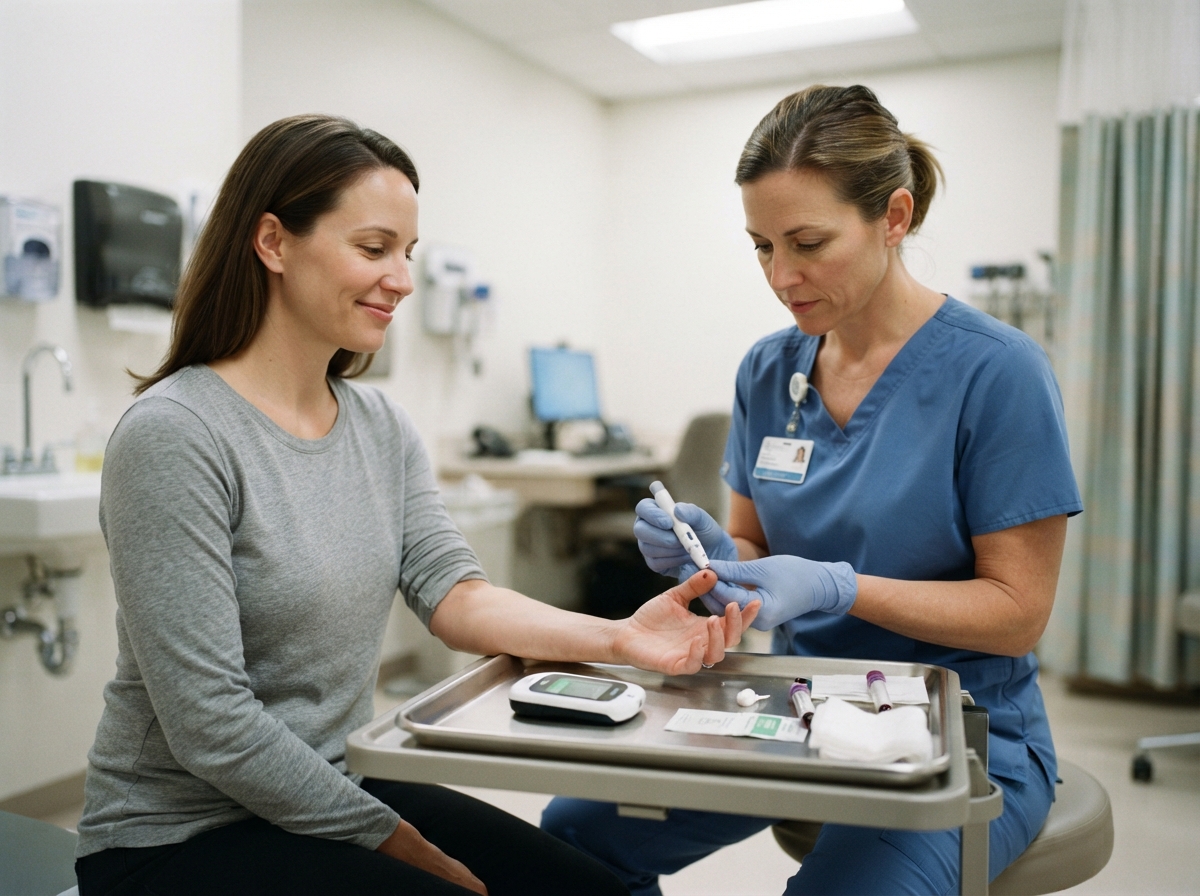
| Chronic monitoring labs (A1C, Protime/INR) | Supports ongoing management of diabetes or blood-thinning medication |
| EKG and spirometry | Screens heart rhythm and lung function without a referral |
| Telehealth or video visits | Useful for follow-ups or minor concerns that do not require an exam room |
Why Local Access Matters in York, PA
Patients across York, PA often weigh commute time against the value of continuity with one provider, especially for families managing multiple chronic conditions. A practice located a short drive away, in Dover, PA, can still serve that broader York, PA population without requiring a satellite office in every neighboring town.
Seasonal patterns in the region also shape demand. Respiratory illness visits typically climb during colder months, and allergy-related appointments rise in spring, which makes same-day availability a practical consideration rather than a convenience add-on. The CDC’s guidance on preventive care notes that routine screenings and early management of chronic conditions reduce long-term complications and health care costs.
Evaluating a Practice Before Scheduling
A short checklist can help narrow choices without requiring an in-person visit first:
1. Confirm which age groups the practice treats, since some family practices limit pediatric or geriatric care.
2. Ask whether the office is accepting new patients and what the average wait time is for a non-urgent appointment.
3. Check insurance participation, including Medicare or Medicaid if relevant.
4. Review whether diagnostic testing happens on-site or requires an outside lab.
These questions apply whether a patient is choosing a first-time primary care provider or switching after a move.
Frequently Asked Questions
What is the difference between a family practice physician and an internist? Family practice physicians treat patients of all ages, including children, while internists generally focus on adult care only.
Do family practice physicians handle urgent, non-emergency issues? Many practices offer same-day or acute care visits for illnesses like infections or minor injuries, reducing the need for urgent care or emergency room trips.
How often should an adult see a family practice physician for a routine checkup? Frequency depends on age, health history, and chronic conditions, so a current provider’s recommendation is more reliable than a general rule.
Can a family practice physician manage ongoing conditions like diabetes? Yes, chronic disease management is a core part of family medicine, often including regular lab monitoring and medication adjustments.
Business Info
Operating from 3740 Carlisle Road in Dover, PA, Davenshire Medical Center provides family medicine services, including routine checkups, acute care visits, and diagnostic testing such as A1C and Protime/INR monitoring, for patients across the surrounding area.