• Overland Park residents seeking prosthetic care can access custom-fitted prosthetic limbs, orthotic devices, and pediatric prosthetic services from specialized local clinics.
• Patient-centered care models, coordinated communication with physicians, and peer support resources are key factors that distinguish quality prosthetic providers.
• Knowing what to expect from the evaluation, fitting, and follow-up process helps patients make informed decisions before choosing a provider.
Patients searching for prosthetic care in the Overland Park area benefit from understanding both the range of services available and the support structures that shape long-term outcomes. Prosthetic Services Overland Park encompasses pediatric, orthotics, and prosthetic care with personalized treatment plans aimed at improving comfort, mobility, and function.
What Prosthetic and Orthotic Services Typically Include
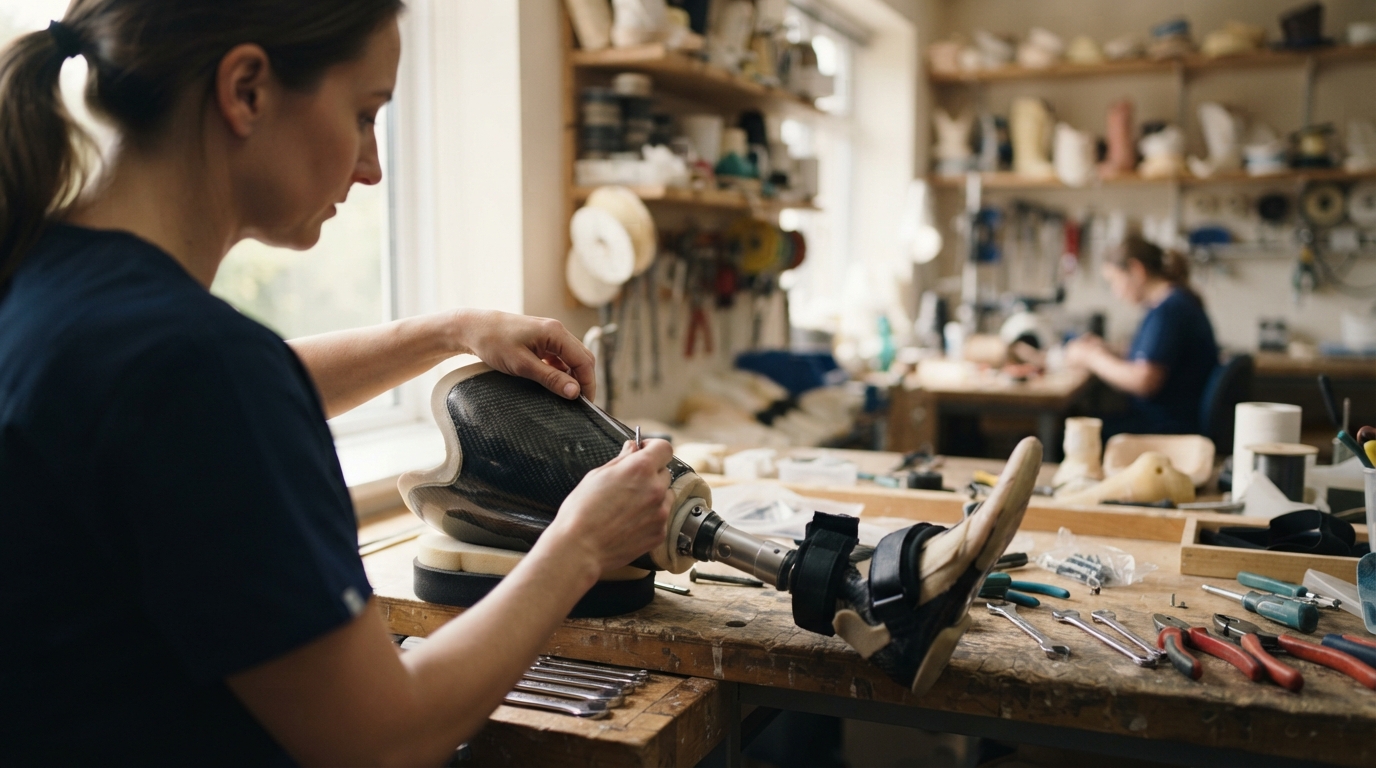
Prosthetic and orthotic care covers a broader range of devices and clinical processes than many patients initially expect. Prosthetics, also called prostheses, are custom devices that replace a limb or extremity that may have been absent at birth, lost through trauma, or removed as a result of disease. Orthotics, by contrast, support and stabilize existing limbs rather than replace them.
Common service categories at a full-service clinic include:
• Lower extremity prosthetics (below-knee, above-knee, partial foot)
• Upper extremity prosthetics (partial hand, transradial, transhumeral)
• Specialized systems such as the Bioness L300 Foot Drop System, the i-LIMB, and the Otto Bock C-Leg
• Pediatric prosthetic fabrication and fitting
• Socket replacement and device adjustments
• Consulting services for litigation involving prosthetics, including lifetime cost analysis
Artificial limbs are most effective when designed specifically for a person’s body and lifestyle, and one person may require multiple devices to meet their varying needs. This is why a thorough clinical evaluation precedes every fitting.
Comparing Key Factors When Choosing a Prosthetic Provider
Not all prosthetic clinics operate the same way. The table below outlines the primary factors patients typically weigh when selecting a provider in the Overland Park area.
| Factor | What to Look For | Why It Matters |
| Certification | Certified Prosthetist (CP) or Certified Prosthetist-Orthotist (CPO) on staff | Ensures clinical competency and licensure compliance |
| Care model | Patient-centered, individualized approach | Affects fit quality, comfort, and long-term outcomes |
| Pediatric capability | Dedicated pediatric prosthetic team | Children require more frequent device updates as they grow |
| Care team communication | Active coordination with physicians and therapists | Supports consistent rehabilitation progress |
| Follow-up and adjustments | Ongoing access for socket changes and repairs | Critical during the first two years post-amputation |
Frequent adjustments are often necessary during the first two years after limb loss as the body heals and changes shape. A provider who offers accessible follow-up appointments is therefore a practical necessity, not simply a convenience.
The Role of Patient Support in Prosthetic Outcomes
Clinical devices alone do not determine how well a patient adapts to limb loss. Peer support, care team communication, and patient education all contribute meaningfully to recovery. According to the Amputee Coalition, peer support and educational materials are central tools for improving quality of life after amputation.
Community resources such as amputation support groups are open to patients and care partners alike, offering opportunities to give and receive support, learn helpful coping strategies, and connect with others in similar situations.
Integrated Orthotics and Prosthetics launched with a vision to change the way orthotic and prosthetic care is provided, specializing with “I3” care which places the patient at the center of the process, with each patient receiving care focused on function and personal attention, and with open lines of communication maintained with the patient’s care team and support network.
Frequently Asked Questions
What is the difference between a prosthetist and an orthotist? Orthotists specialize in designing and fitting orthopedic braces such as surgical supports and corrective shoes, while prosthetists design, construct, and fit artificial limbs and orthopedic devices.
How often will a prosthetic device need to be replaced or adjusted? Because of daily use, artificial limbs wear out and require regular maintenance from a professional, and frequent adjustments are often necessary during the first two years after limb loss as the body heals and changes shape. Children require new devices more often as they grow, while older adults may need different types of prosthetics to ensure safety and stability as their health changes.
Does insurance cover prosthetic services? The Affordable Care Act requires most health insurance plans to cover prosthetic limbs, but the law does not set a national standard for the quality of that care; individual states decide specific details, such as which types of prosthetic technology are allowed and how often a limb can be replaced.
What should I bring to a first prosthetic appointment? Patients should bring a physician referral or prescription, current insurance information, and any existing device if seeking an adjustment or socket replacement. Preparing a list of functional goals and daily activity requirements helps the prosthetist design a device that fits actual lifestyle demands.
Schedule a Consultation in Overland Park
Patients in the Overland Park area who are ready to pursue prosthetic or orthotic care should connect with a certified specialist who can conduct a thorough evaluation and develop an individualized treatment plan. Integrated Orthotics and Prosthetics is located at 8931 W 75th Street, Overland Park, KS 66204, and can be reached at 913.341.2661 to request an appointment. Bringing clear questions and a physician prescription to the first visit helps ensure the evaluation process moves efficiently toward a fitting plan suited to your specific needs.