At glance:
• Droppings, gnaw marks, nesting material, and scratching sounds in walls or attics are the clearest signs of an active rodent problem.
• Mice can squeeze through gaps the width of a pencil, so visible holes are rarely the full extent of an infestation.
• Professional treatment addresses the source of entry, not just the rodents already inside.
Most homeowners do not need to wonder whether they have a rodent problem; the signs are usually loud, smelly, or visibly chewed. The real question is when those signs cross the line from a minor nuisance into a situation that requires rodent control performed by a trained technician rather than a store-bought trap.
Rodents reproduce fast and hide well, which means a small sighting today can represent a much larger colony already established in walls, attics, or crawl spaces. According to the CDC’s guidance on rodent infestations, the first signs of rodents usually appear before you even see a rat or mouse, and regular inspection of the inside and outside of a home or business is important because it’s easier to control rodents before they have time to become established.
Physical Signs of an Active Infestation
Rodents leave behind a consistent trail of evidence even when they stay out of sight during the day.
• Droppings : Rodent droppings and gnaw marks are two signs of rodent presence, and droppings are commonly found in cabinets, drawers, and other areas out of plain sight, pointed at one end and often containing hair.
• Gnaw marks : Ripped or torn food packaging can indicate you need rodent infestation control, while gnaw marks on walls, doors, and baseboards may signal entry points or burrowing activity.
• Nesting material and entry holes : Signs of a rat or mouse infestation include nesting material such as shredded paper, fabric, or dried plant matter, holes chewed through walls and floors that create entry points, and stale smells coming from hidden areas.
Behavioral and Structural Red Flags
Beyond droppings and gnawing, certain patterns point to a problem that has outgrown DIY solutions.
• Noises in walls or ceilings at night , often a sign rodents have established a nesting area rather than passing through once.
• Damaged wiring or insulation , which raises both repair costs and fire risk.
• Repeated sightings in multiple rooms , suggesting the population has spread rather than stayed contained to one entry point.
A single clue is not always enough to confirm the scale of a problem. Local guidance from the San Diego County Vector Control Program notes that learning to recognize signs of rodent activity and how to prevent and control rodent problems can protect residents and their homes. That same program also points out a detail many homeowners miss: rats can enter through holes the size of a quarter, while mice can fit through openings as small as a dime.
When DIY Traps Are Not Enough
Store-bought traps and bait stations can handle an isolated mouse, but several situations call for a licensed technician instead.
| Situation | DIY Approach | Professional Approach |
| One mouse, one sighting | Snap traps may resolve it | Not usually necessary |
| Droppings in multiple rooms | Traps often miss hidden nests | Full inspection and exclusion plan |
| Gnawed wiring or insulation | Risk of fire hazard if untreated | Structural repair guidance plus removal |
| Recurring activity after cleanup | Signs return within days | Sealed entry points and long-term monitoring |
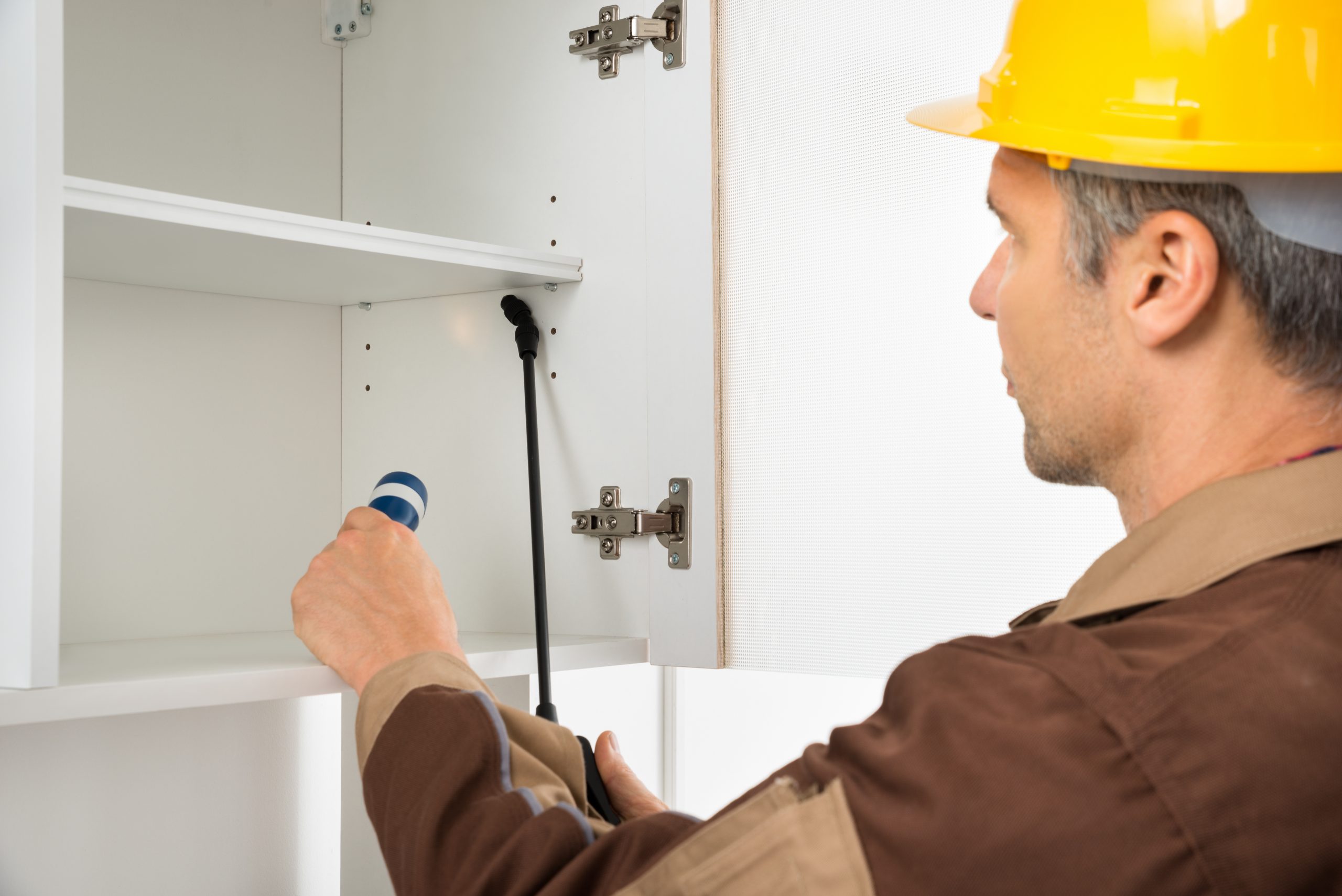
Patriot Pest Management, Inc notes that its rodent work goes beyond setting traps. The company takes a multi-step approach to rodent control that goes beyond setting a few traps, with a process designed to address the problem at its source and keep it from coming back. That typically starts with a detailed inspection of the property identifying active rodent activity, travel paths, nesting sites, and entry points, followed by targeted removal strategies suited to the severity of the infestation. Exclusion work follows, which means sealing gaps, cracks, and openings around the foundation, roofline, utility penetrations, and other vulnerable areas that give rodents access.
Frequently Asked Questions
How many droppings mean I have a serious infestation? There is no fixed number. A pattern of fresh droppings across multiple rooms, rather than a single pile in one spot, is a stronger indicator of an established population than the raw count.
Can I just seal the holes myself and skip professional help? Sealing visible gaps helps, but mice can enter through openings as small as a dime, which means homeowners often miss smaller access points that a trained inspector would catch.
Are rodent droppings actually dangerous to clean up? Yes. Disturbing droppings without proper precautions can release airborne particles, which is why cleanup protocols from health agencies recommend caution rather than casual sweeping or vacuuming.
How fast should I act after noticing the first sign? Acting early matters because rodent populations grow quickly once established, and waiting typically means more damage and a larger job by the time treatment begins.
Recognizing these warning signs early gives homeowners and business owners the best chance to limit property damage and health risks before an infestation spreads. Reviewing the inspection-and-exclusion approach used by Visit Patriot Pest Management, Inc. can clarify what a thorough, source-focused treatment plan looks like compared to short-term trap-and-remove tactics.