Summary:
• Most central air conditioning failures trace back to dirty filters, refrigerant leaks, electrical faults, or clogged condensate drains.
• Professional diagnosis identifies the root cause before parts are replaced, which avoids repeat breakdowns.
• Readers in Monongahela, PA can use this guide to recognize warning signs before a system fails during peak summer heat.
A central air conditioner that blows warm air, trips breakers, or makes grinding noises usually points to one of a handful of well-documented mechanical or electrical failures, and a licensed technician typically resolves the issue after a short diagnostic visit. Homeowners who understand these patterns can decide faster whether a problem needs same-day attention or can wait for a scheduled appointment.
Scheduling air conditioning repair before a system fails completely often costs less than an emergency call placed during a heat wave, since technicians can source parts and plan the visit rather than respond to a no-cooling emergency. Pennsylvania summers bring stretches of high humidity that push older units past their limits, which makes early diagnosis a practical way to avoid a multi-day wait for parts or scheduling.
Frequent Causes of Cooling Failures
Several mechanical issues account for the bulk of residential AC service calls across western Pennsylvania.
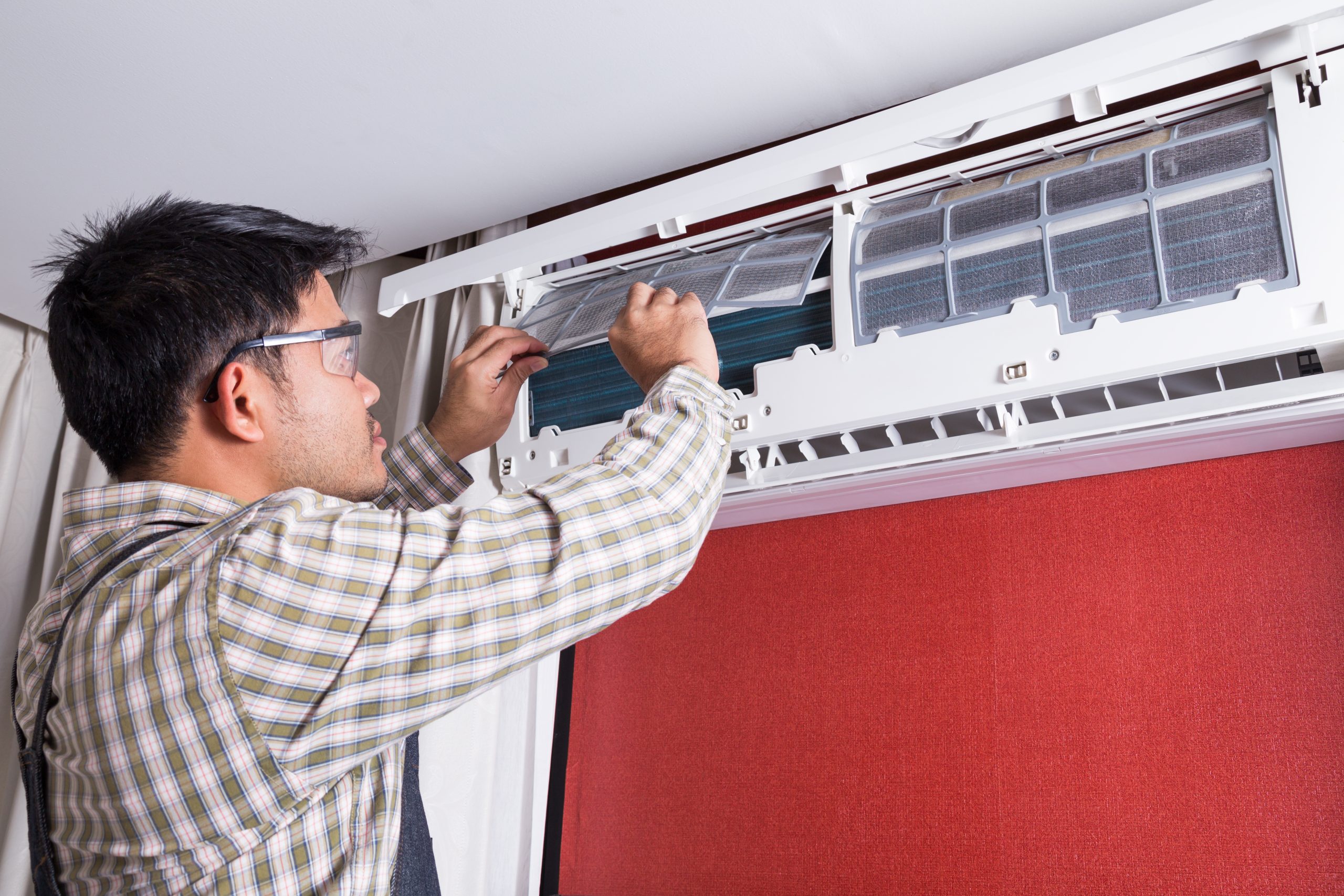
• Dirty or clogged air filters restrict airflow across the evaporator coil, forcing the compressor to work harder and reducing output.
• Refrigerant leaks lower cooling capacity and can ice the coil; a properly licensed technician locates and seals the leak rather than simply adding refrigerant.
• Clogged condensate drains cause water backup, which can trip a float switch and shut the system down or lead to water damage near the air handler.
• Electrical and capacitor failures stop the compressor or fan motor from starting, often producing a humming sound without airflow.
• Dirty condenser or evaporator coils reduce heat exchange efficiency and raise energy consumption even when the system still runs.
Replacing a dirty filter is one of the simplest fixes available, and the Department of Energy’s guidance confirms that a clean filter can noticeably cut operating costs compared to a clogged one, since restricted airflow forces the system to run longer to reach the same temperature. Technicians typically check filter condition first during any service call because it is inexpensive to correct and frequently resolves reduced airflow complaints on its own.
How a Professional Diagnoses the Problem
A service visit generally follows a consistent sequence rather than guesswork.
1. Inspect the thermostat settings and electrical connections to rule out simple control issues.
2. Measure refrigerant charge and check for signs of leaks at coil connections and line sets.
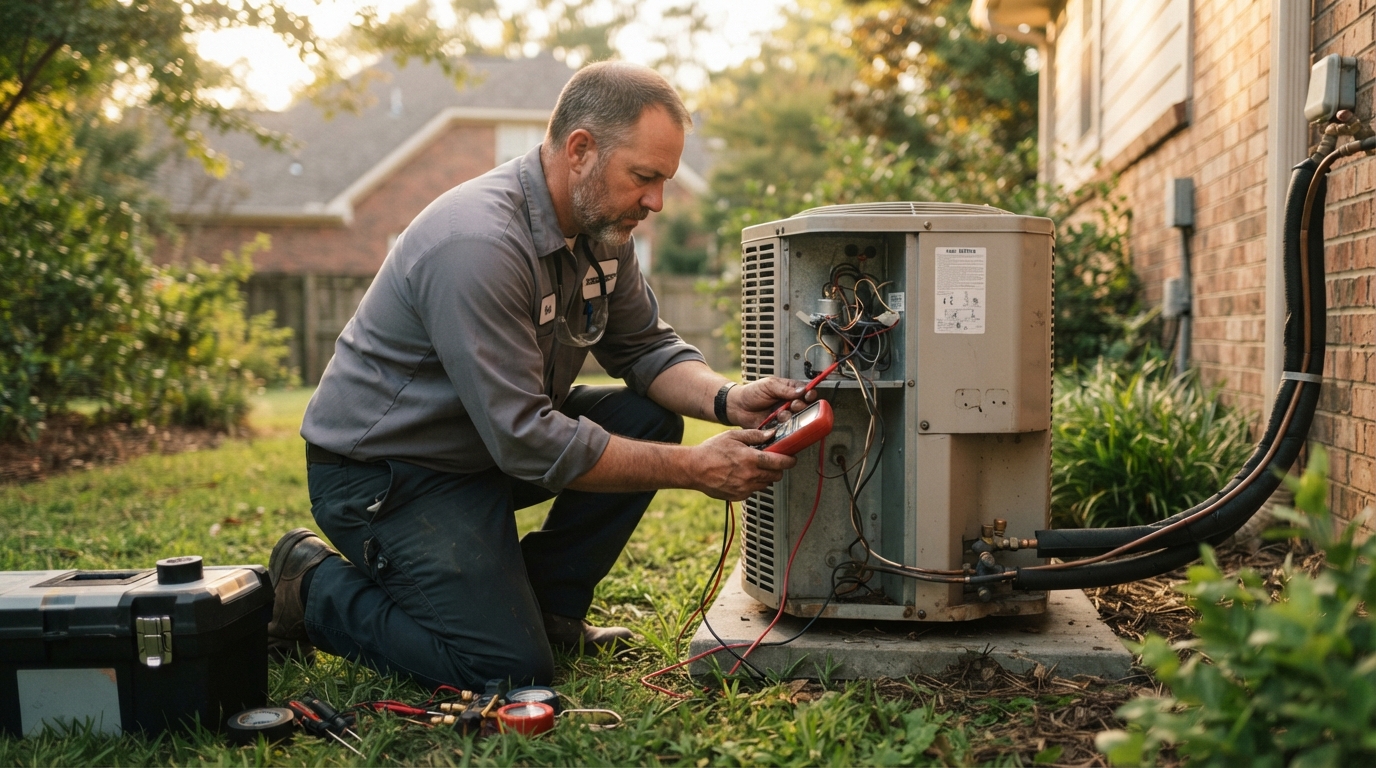
3. Test capacitors, contactors, and the compressor for electrical faults.
4. Clear the condensate drain line and check the float switch.
5. Clean coils and assess overall airflow through the duct system.
Federal guidance on refrigerant handling notes that if a system leaks, the leak should be located and repaired rather than simply topped off, since repair keeps the unit running properly while reducing both emissions and energy use. This approach also prevents the same failure from recurring within a single cooling season, which matters when outdoor temperatures in Monongahela, PA regularly climb into the upper 80s during July and August.
Repair Versus Replacement: A Quick Comparison
| Situation | Typical Recommendation | Why |
| System under 10 years old, isolated part failure | Repair | Lower upfront cost, part failures are often isolated |
| Frequent breakdowns, system over 10-12 years old | Replace | Repeated repair costs can exceed replacement value over time |
| Refrigerant leak in an older R-22 system | Evaluate replacement | Older refrigerants are being phased out, raising repair costs |
| Minor airflow or filter issue | Repair | Inexpensive and quick to resolve |
Technicians generally weigh age, repair frequency, and refrigerant type before recommending a full system replacement rather than a component repair.
Business Information
Based in Elizabeth, PA, Mitchell Plumbing, Heating, and Cooling serves customers across Monongahela, PA, handling cooling, heating, and plumbing service calls throughout the surrounding region.
Frequently Asked Questions
What is the most common reason a central air conditioner stops cooling? A dirty air filter or restricted airflow is among the most frequent causes, since it forces the system to run longer without reaching the target temperature.
How often should a home air conditioning system be serviced? Most manufacturers and energy guidance recommend an annual professional tune-up, ideally scheduled before the first sustained heat of the season.
Can a refrigerant leak be temporarily fixed by adding more refrigerant? Adding refrigerant without repairing the leak is a temporary measure only; locating and sealing the leak is the recommended long-term fix according to federal guidance.
Is it normal for an air conditioner to make noise during startup? A brief hum or click during startup is typical, but grinding, squealing, or repeated clicking without the system starting usually signals a component failure that needs inspection.