Summary first:
- A commercial plumber manages large-volume fixtures, backflow prevention, grease traps, and sewer systems that residential service calls do not typically cover.
- Commercial properties face higher code requirements and heavier daily water use, which demands scheduled maintenance rather than reactive repairs alone.
- Based in Granger, IA, H & H Plumbing Inc serves customers across Des Moines, IA with licensed commercial plumbing work.
A commercial plumber handles the installation, repair, and maintenance of water, drain, and gas systems sized for business operations rather than single households. These systems carry heavier daily use, stricter code requirements, and equipment like grease traps and backflow assemblies that residential plumbing rarely involves.
Finding a qualified Commercial Plumber matters most when a business cannot afford downtime from a failed water heater, a backed-up sewer line, or a restroom out of service during peak hours. Commercial properties also face plumbing demands that go well beyond residential systems, including high-traffic restrooms, grease trap maintenance, backflow prevention, and sump pump systems.
What Separates Commercial Plumbing From Residential Work
Commercial buildings run on a different scale than homes, and the plumbing behind the walls reflects that difference.
- Higher fixture counts. Office buildings, restaurants, and retail spaces often have multiple restrooms and kitchens drawing from shared supply lines.
- Code-driven equipment. Grease traps, backflow preventers, and commercial-grade water heaters are frequently required by local plumbing codes, not optional upgrades.
- Tenant and business impact. A clogged drain in a multi-tenant building can affect several businesses at once, raising the stakes of any delay.
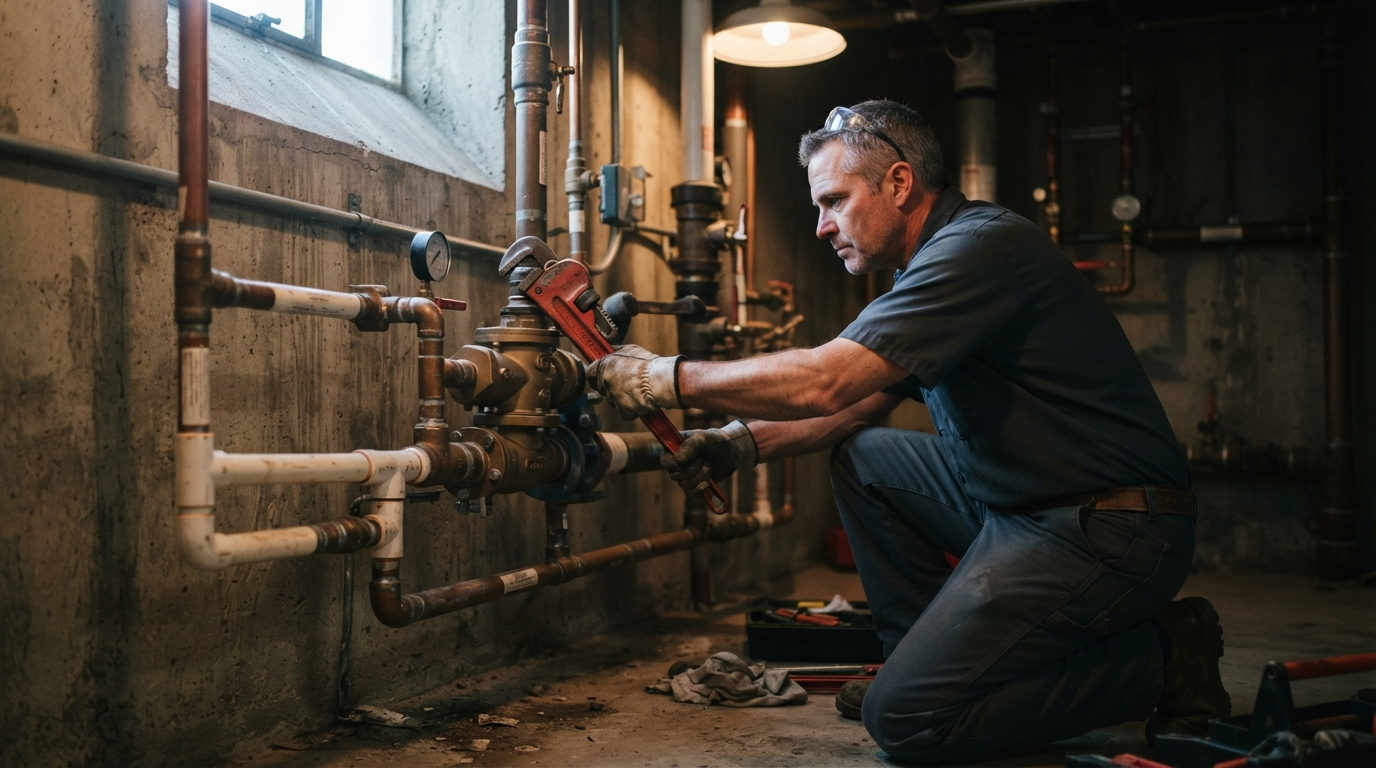
Large-scale pipe work, grease trap maintenance, and backflow prevention require an experienced plumbing contractor who understands local code and the operational cost of downtime.
Core Services a Commercial Plumbing Contractor Provides
Commercial plumbing work typically falls into a few recurring categories that keep a facility’s systems code-compliant and functional.
| Service Area | Common Work Involved |
|---|---|
| Water heater systems | Installation, repair, and replacement for consistent hot water supply |
| Sewer line maintenance | Inspection and early problem identification to avoid major disruptions |
| Backflow prevention | Device installation and testing to protect potable water supply |
| Gas line work | Installation and repair for commercial kitchen and mechanical equipment |
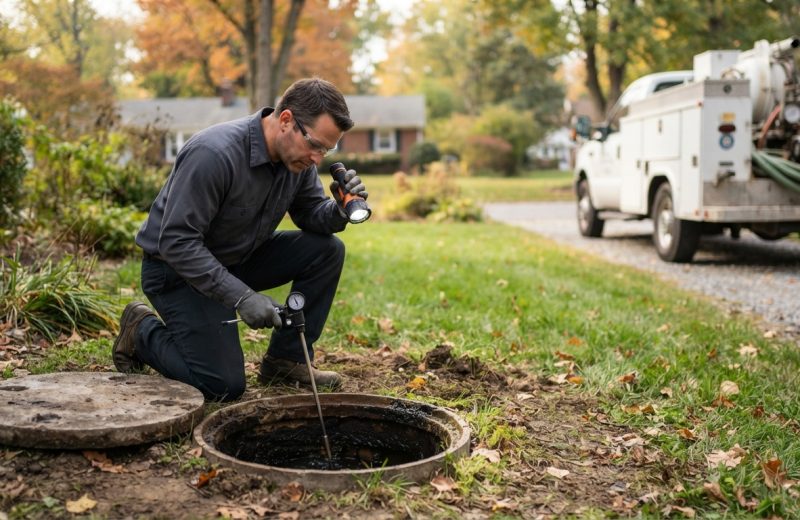
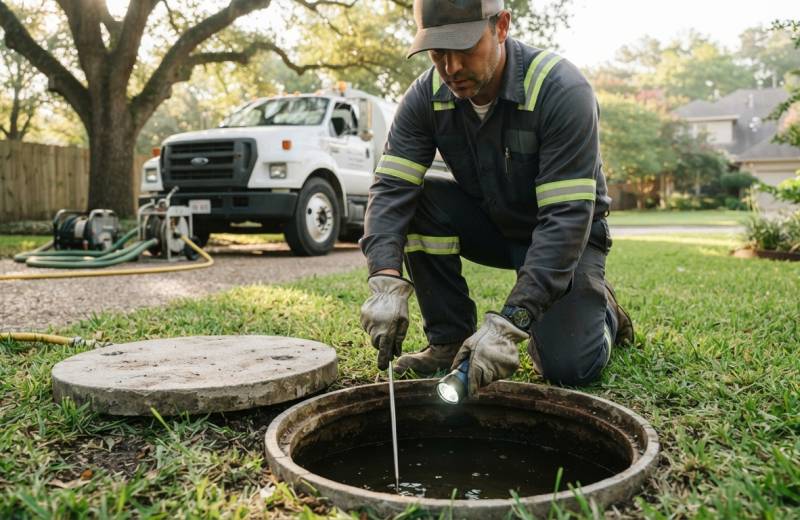
Commercial water heater installation, repair, and replacement services are typically framed around consistent performance rather than one-time fixes, since a failure affects an entire building rather than one household fixture. Sewer line services for commercial systems focus on identifying potential problems early, since a backup in a shared line can shut down restrooms or kitchen operations across a facility.
Backflow prevention deserves particular attention. According to the U.S. Environmental Protection Agency, a cross-connection control and backflow prevention program helps prevent contaminants from entering a drinking water distribution system, which is why commercial properties are frequently required to install and test these devices on a schedule set by local authorities.
Scheduling and Preventive Maintenance for Businesses
Reactive repairs cost more than scheduled maintenance, particularly in facilities where plumbing failures interrupt customer service or production.
- Routine inspections catch pipe corrosion, slow leaks, or aging fixtures before they fail outright.
- Preventive maintenance on water heaters and sewer lines extends equipment life and reduces emergency call volume.
- Documented testing of backflow assemblies satisfies code requirements and protects potable water supply.
Preventative maintenance is generally designed to identify potential issues before they become major problems, which helps extend the lifespan of a facility’s plumbing system. Iowa’s seasonal freeze-thaw cycle adds another layer of wear on commercial pipe systems in Des Moines, IA, making scheduled checks especially relevant heading into colder months.
Frequently Asked Questions
How is commercial plumbing different from residential plumbing? Commercial systems typically involve higher fixture counts, code-mandated equipment like backflow preventers and grease traps, and shared infrastructure that affects multiple tenants or departments if it fails.
How often should backflow prevention devices be tested? Testing intervals are set by the local water utility or authority having jurisdiction, and commercial properties are commonly required to test these devices on an annual basis.
What commercial plumbing issues cause the most downtime? Water heater failures, sewer line backups, and gas line problems tend to disrupt business operations the most since they can shut down restrooms, kitchens, or mechanical systems entirely.
Does a commercial plumber also handle grease trap maintenance? Grease trap maintenance is a recurring need for restaurants and food service properties, and it is commonly listed alongside backflow prevention and sump pump systems as standard commercial plumbing work.
Business Info: H & H Plumbing Inc is a licensed, bonded, and insured plumbing contractor based in Granger, IA, offering commercial plumbing services across the Des Moines, IA metro area.