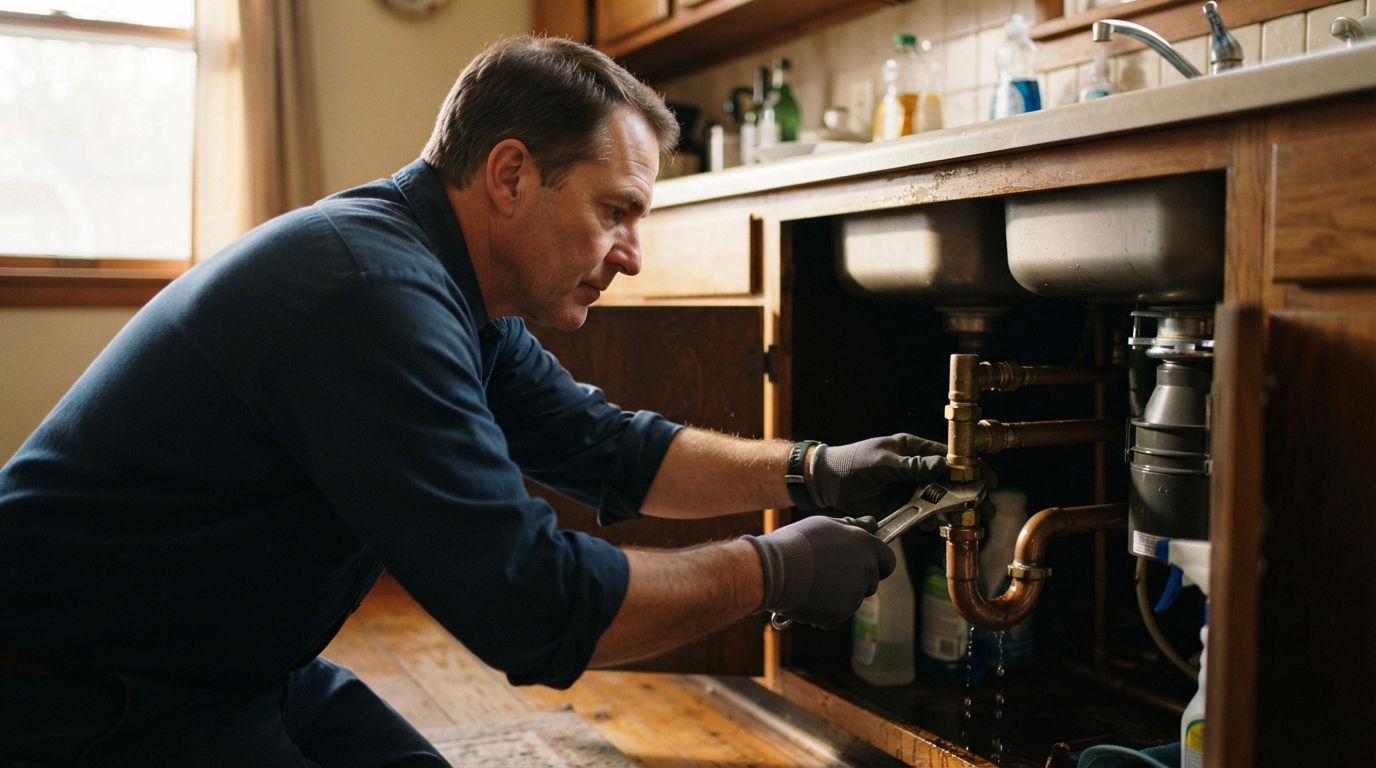
Quick summary:
• Clogged drains, leaky faucets, running toilets, and water heater issues account for most residential plumbing repair calls.
• Early detection of small leaks can prevent water damage and higher utility bills.
• Professional plumbing repair is typically needed when problems involve main lines, water heaters, or recurring clogs.
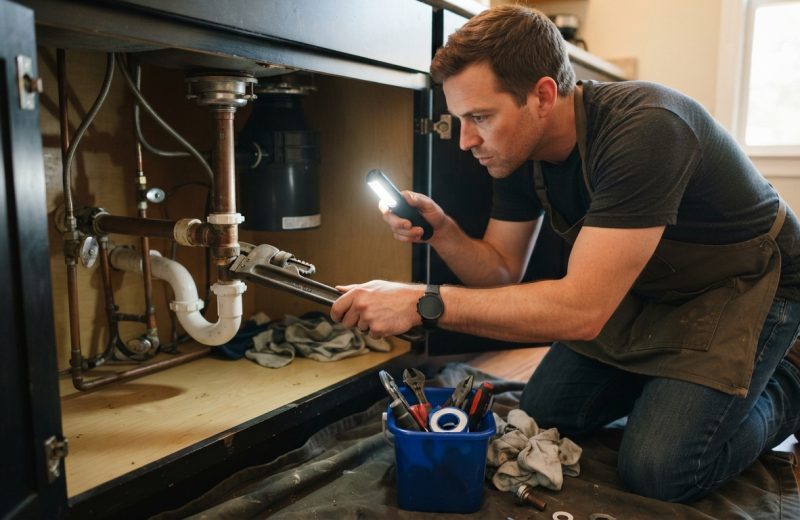
Plumbing repair covers the diagnosis and fixing of household water system problems, ranging from a dripping faucet to a failed water heater or a blocked sewer line. Most homeowners will face at least one of these issues within a given year, and knowing what to look for can limit damage before it spreads.
Several of these problems appear consistently across service calls, which is why understanding the basics of Plumbing Repair helps homeowners decide when a fix is simple and when it requires a licensed technician. Catching small signs early, such as a slow drain or a faint hissing sound near a pipe, often prevents a minor repair from becoming an emergency.
Frequent Household Plumbing Problems
Certain issues show up repeatedly in homes regardless of age or size. Recognizing them helps homeowners act before damage spreads to flooring, cabinetry, or walls.
• Clogged drains : Hair, grease, and soap buildup slow water flow in sinks, tubs, and showers.
• Leaky faucets : Worn washers or O-rings cause persistent dripping that wastes water over time.
• Running toilets : A faulty flapper or fill valve can waste hundreds of gallons monthly if left unaddressed.
• Low water pressure : Mineral buildup in pipes or a hidden leak can reduce flow throughout a fixture or the whole house.
• Water heater malfunctions : Sediment buildup, failing thermostats, or aging tanks often lead to inconsistent hot water.
When a Small Leak Becomes a Bigger Problem
A single dripping fixture may seem minor, but unresolved leaks add up quickly in both water loss and structural risk. According to the EPA WaterSense program, household leaks nationwide waste significant volumes of water every year, and many of these leaks are simple to repair once identified. Left unchecked, moisture from a slow leak can damage subflooring, promote mold growth, and increase monthly water costs.
Homeowners in Oceanside, CA often deal with older pipe materials and seasonal shifts in water demand, both of which can accelerate wear on fittings and seals. Checking under sinks, around water heaters, and near exterior spigots on a regular basis helps catch these issues before they require larger repairs.
DIY Fixes vs Calling a Professional
Some plumbing repairs are manageable with basic tools, while others involve risks that justify professional involvement. The table below outlines common scenarios.
| Issue | DIY Feasibility | When to Call a Professional |
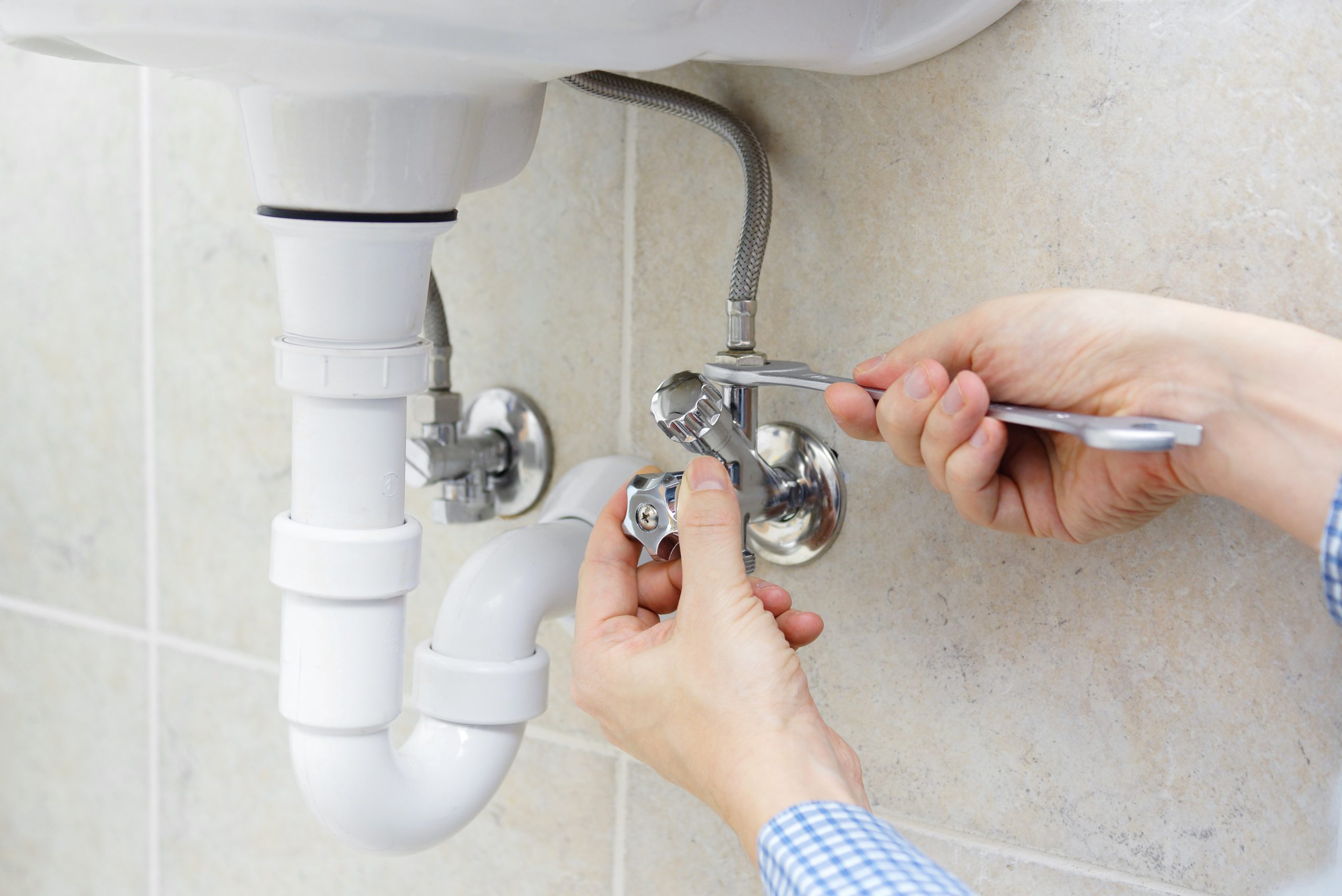
| Dripping faucet | Often fixable with a washer or cartridge replacement | If leak continues after replacement |
| Slow drain | Plunger or drain snake may clear minor clogs | Recurring clogs or multiple drains affected |
| Running toilet | Flapper replacement is usually straightforward | Water continues running after flapper swap |
| Water heater issues | Pilot light relighting may be simple | No hot water, strange noises, or visible leaks |
Attempting repairs beyond a homeowner’s comfort level, particularly involving gas lines, main water shutoffs, or sewer backups, carries a higher risk of property damage or injury.
Signs That Point to a Larger Plumbing Issue
Some symptoms suggest a problem extends beyond a single fixture. These warrant closer inspection before they escalate.
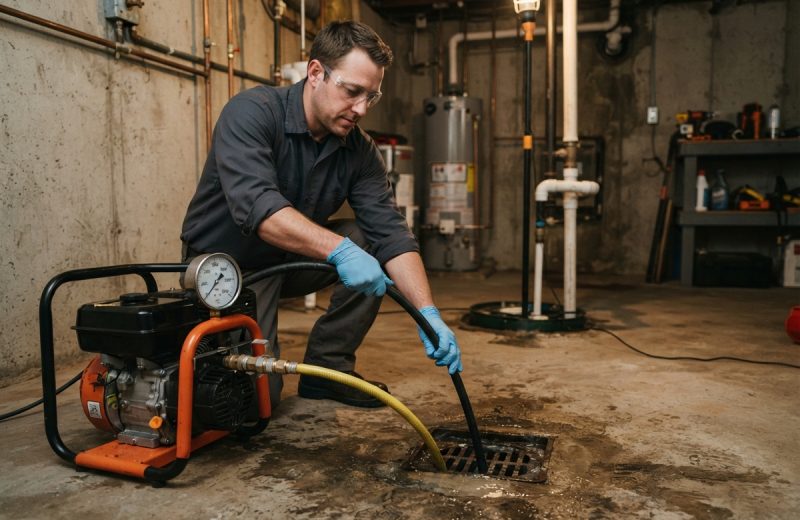
1. Multiple drains backing up at the same time, which often points to a main line blockage.
2. Water discoloration or unusual odor, which can indicate pipe corrosion or sewer line damage.
3. Sudden spikes in water bills without a clear change in usage.
4. Water heater producing lukewarm water despite a full tank cycle.
Based in Temecula, CA, technicians serving Oceanside, CA address these kinds of multi-fixture and system-level problems that go beyond what typical DIY tools can resolve.
Frequently Asked Questions
How can I tell if a leak is serious enough to need repair? Any leak that causes visible water pooling, staining, or a noticeable rise in the water bill should be addressed promptly, since even small leaks add up over time.
Why does my water heater produce inconsistent hot water? Sediment buildup in the tank or a failing heating element are common causes, and both typically require inspection to confirm the exact issue.
Is a slow drain always a simple clog? Not always. A slow drain can be a localized clog or a sign of a deeper blockage in the main line, especially if more than one fixture is affected.
How often should home plumbing be inspected? An annual check of pipes, fixtures, and the water heater helps catch minor wear before it turns into a larger repair.
Checking Service Details
Plumbing repair needs vary by property age, pipe material, and water usage patterns, which is why a professional assessment often provides the clearest path forward. Based in Temecula, CA, New Standard Plumbing serves customers across Oceanside, CA, and additional details about licensing and service information are available through its New Standard Plumbing profile.