Simply put:
• A qualified mini split installer carries manufacturer certification, verifies licensing and insurance, and sizes the system to the home rather than applying a one-size-fits-all install.
• Service area and installer location matter: confirm response times and whether the company has direct experience with Liberty, NY homes and winters.
• Proper installation affects long-term efficiency, so ask about load calculations, refrigerant line work, and permit handling before signing a contract.
Homeowners researching a Local Mini Split Installer are usually trying to solve one problem: finding someone with verifiable training who will size and place a ductless system correctly the first time. Ductless heat pumps depend on accurate sizing and refrigerant line installation, so the installer’s credentials and process matter more than marketing claims. A poorly matched system wastes energy and shortens equipment life regardless of the brand installed.
Manufacturer certification is one of the clearest indicators of technical competence. Brands such as LG and Mitsubishi offer tiered certification programs that require installers to complete specific training before earning a dealer designation. According to ENERGY STAR’s ductless heating and cooling guidance, mini split heat pumps that carry independent certification are verified to save energy and reduce costs compared to standard electric heating, which underscores why correct installation practices matter as much as the equipment itself.
Credentials That Separate Qualified Installers From General Contractors
Not every HVAC contractor has specialized ductless experience. A few credentials and practices distinguish installers who focus specifically on mini split systems:
• Manufacturer-level certification (such as LG Platinum status) confirming completed technical training on specific product lines.
• State licensing and insurance , which protects homeowners if work does not meet code.
• EPA 608 certification , required for anyone handling refrigerants during installation or repair.
• A repair-first evaluation approach , where the system is assessed honestly before a full replacement is recommended.
Homeowners should ask for documentation of these credentials directly rather than relying on general advertising claims.
Why Local Service Area Knowledge Matters
Winters in the Hudson Valley region bring extended cold stretches that test a mini split’s heating capacity, so installer familiarity with local housing stock is practical, not just convenient. Older homes with inconsistent insulation or seasonal cabins converted to year-round use often need different sizing than new construction. An installer who regularly works across Liberty, NY understands which configurations hold up through regional winters and which ones underperform.
Response time is another practical factor. Based in Mountain Dale, NY, a ductless specialist serving the surrounding Hudson Valley area, including Liberty, NY, can typically reach service calls faster than a contractor based farther away. This matters most during emergency repairs when a failed system affects heating or cooling for an entire household.
Installation Process Red Flags to Watch For
A rushed or incomplete process is one of the most common reasons mini split systems underperform. Watch for these warning signs before hiring:
| Quality Indicator | Reliable Installer | Warning Sign |
| Load calculation | Measures room size, insulation, and window exposure | Estimates sizing by guesswork or square footage alone |
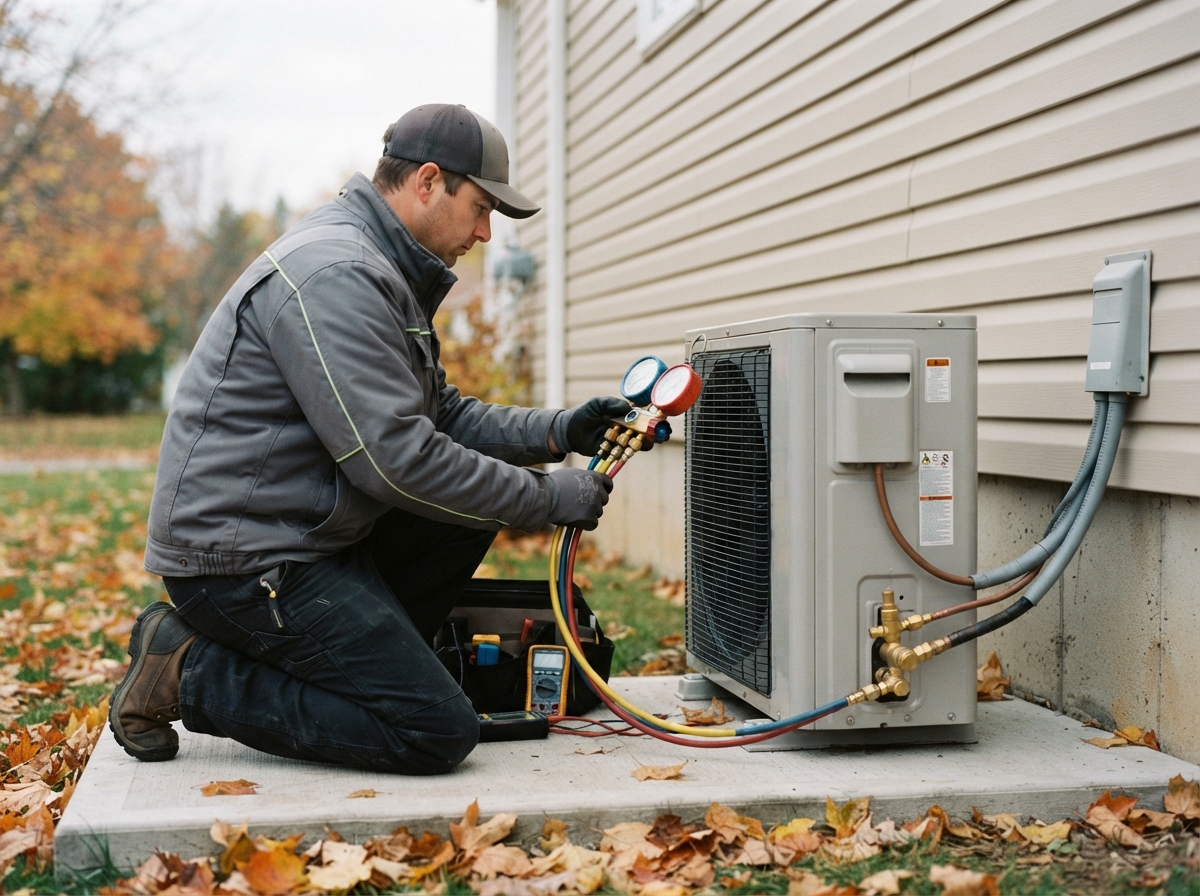
| Refrigerant line handling | Follows manufacturer torque and vacuum specifications | Skips pressure testing before charging the system |
| Permits | Confirms local code and permit requirements upfront | Avoids discussing permits entirely |
| Documentation | Provides written certification and warranty details | Offers verbal assurances only |
Single-zone installations typically take about a day when sizing and placement are handled correctly from the start. Multi-zone systems or homes needing electrical upgrades can extend that timeline, which a qualified installer should explain clearly before work begins.
Frequently Asked Questions
Does a mini split installer need a special certification beyond a general HVAC license? Yes. General HVAC licensing covers broad code compliance, but manufacturer certifications like LG Platinum or Mitsubishi Diamond status confirm specific training on ductless system design, sizing, and refrigerant handling.
How long does a typical mini split installation take? A single-zone system in a straightforward location is often completed in one day, while multi-zone setups or homes requiring electrical work may take longer.
Can a mini split heat a home through a full New York winter? Many current cold-climate rated mini split models are tested for low-temperature performance and can serve as a primary heat source, though sizing and placement must match the home’s specific heat loss characteristics.
Is a permit required for mini split installation in New York? Permit requirements vary by municipality, so a qualified installer should confirm local code requirements before starting work rather than leaving that research to the homeowner.
Final Considerations Before Hiring
Choosing an installer based on certification, licensing, and documented process reduces the risk of oversized, undersized, or improperly charged systems that cost more to run over time. Homeowners who ask direct questions about training, permits, and sizing methodology are better positioned to compare installers fairly. Published service details for Mr Minisplit are available for reference when evaluating installers serving the region.