Summary first:
- Roof replacement costs in Menomonee Falls depend on roof size, material choice, pitch, and the extent of underlying deck repair needed.
- Asphalt shingles remain the most common and budget-friendly option, while metal and premium shingle systems cost more upfront but last longer.
- Getting a detailed, written inspection before any work begins is the clearest way to understand what a project will actually cost.
Homeowners searching for pricing clarity usually want one thing: a realistic range and the factors that move it up or down. Residential roof replacement costs vary by material, roof pitch, and the condition of the decking underneath, and the only way to get an accurate number is through an on-site inspection rather than a phone estimate.
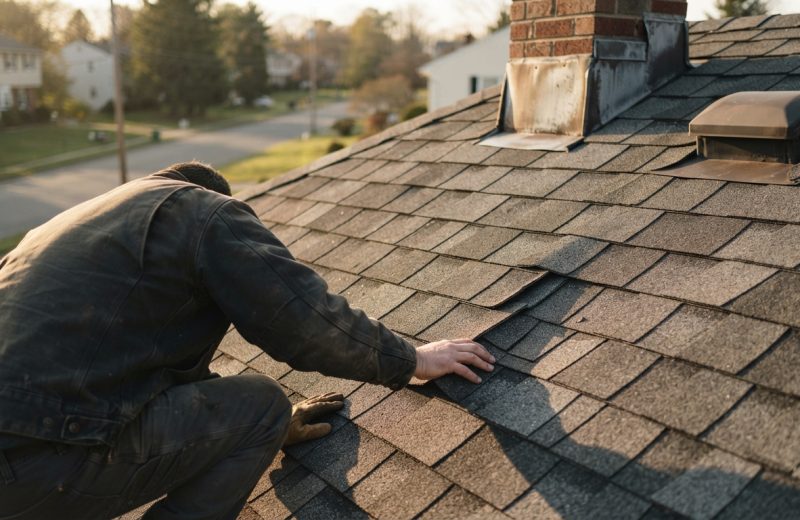
A proper Residential Roof Replacement starts with assessing the existing structure, not just the shingles on top. Wisconsin’s freeze-thaw cycles put extra stress on roofing systems, which is why ice damming, flashing wear, and deck rot are common discoveries once old shingles come off. Those hidden issues, not the shingles themselves, often account for the biggest swings in a final quote.
What Drives the Price of a New Roof
Several variables combine to determine what a homeowner ultimately pays. Understanding each one helps explain why two houses of similar size can receive very different quotes.
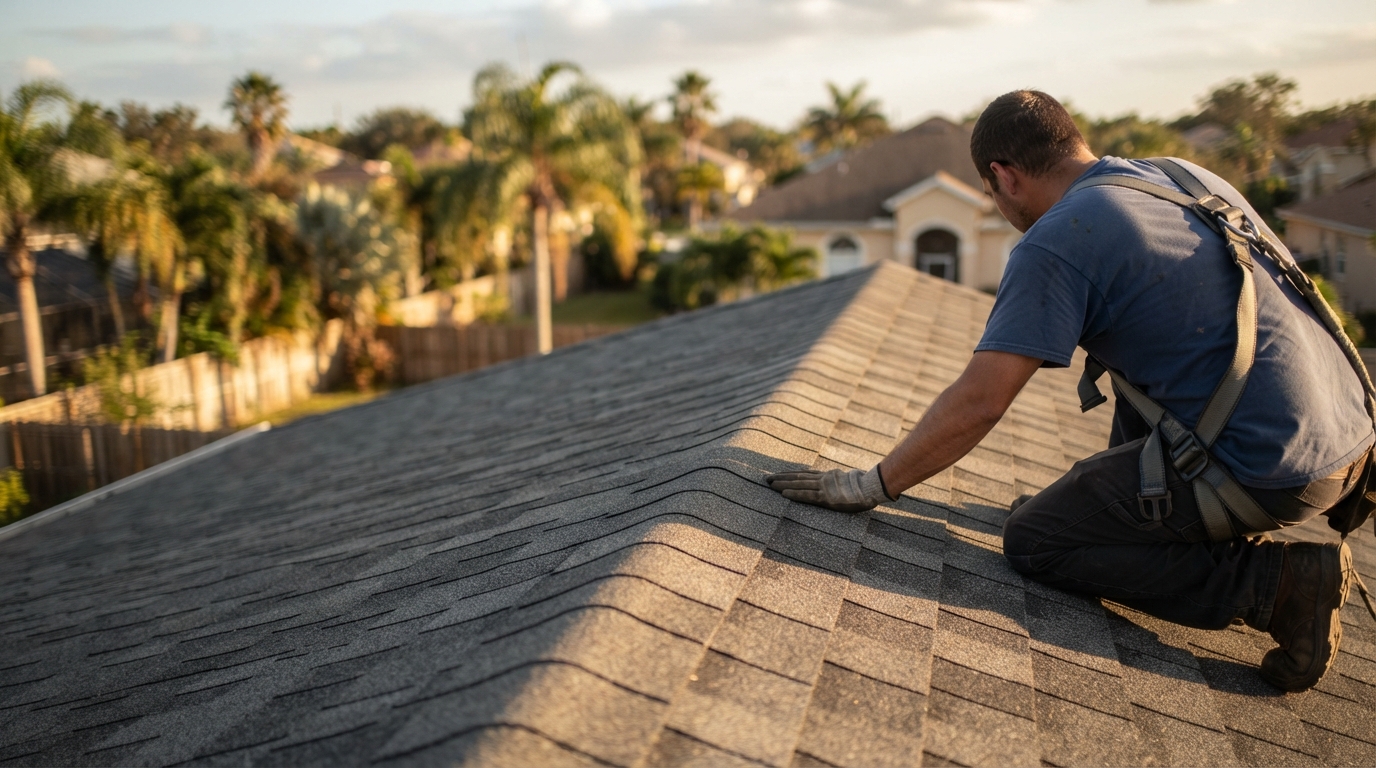
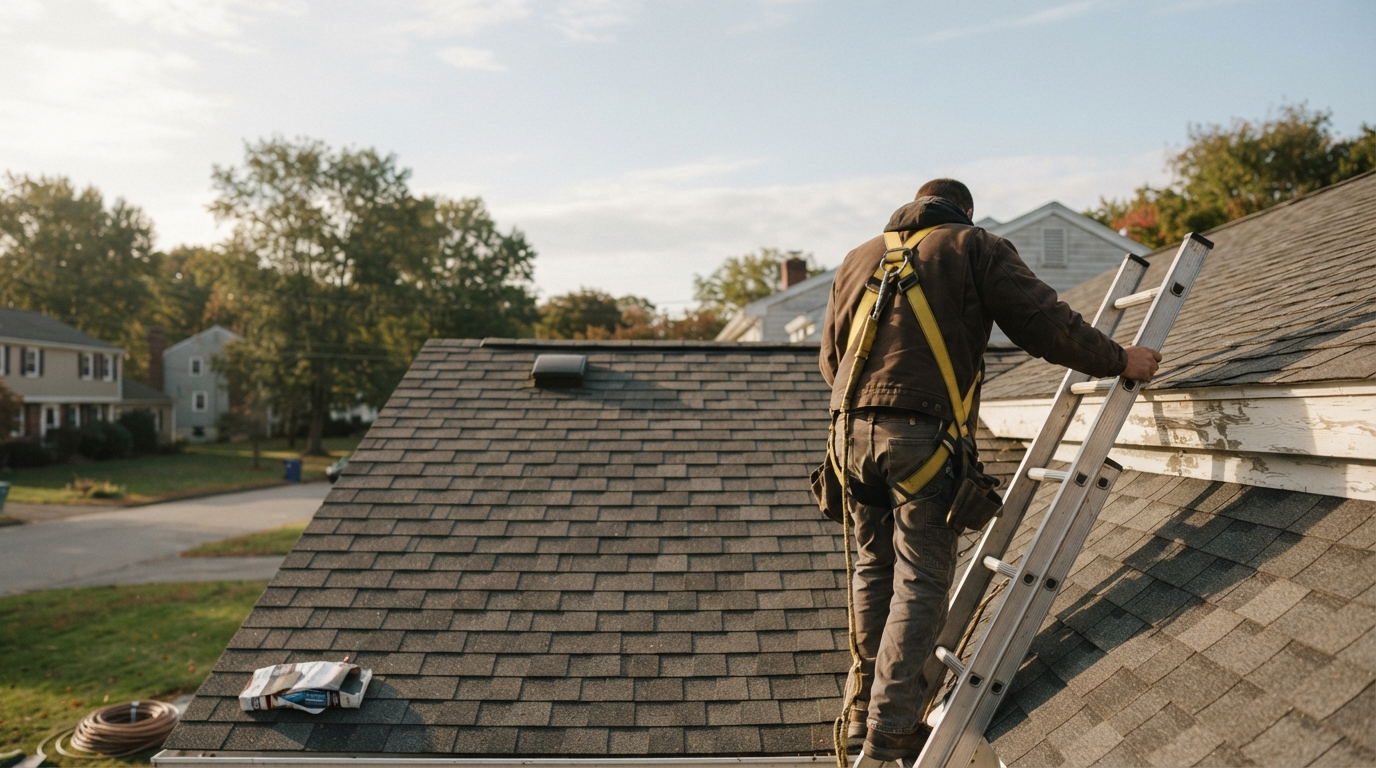
- Roof size and pitch – Steeper roofs require more safety equipment and labor time, which raises installation cost.
- Material selection – Asphalt shingles, architectural shingles, and metal panels each carry different material and labor pricing.
- Deck condition – Rotted or water-damaged plywood underneath old shingles must be replaced before new roofing goes on.
- Tear-off layers – Removing multiple layers of old shingles adds disposal and labor time compared to a single-layer tear-off.
- Ventilation and flashing – Proper attic ventilation and new flashing around chimneys or vents are often necessary for warranty compliance.
Comparing Common Roofing Materials
Material choice is usually the single biggest factor in both upfront cost and long-term performance. The table below outlines general characteristics of the most common residential options.
| Material | Typical Lifespan | Relative Cost | Best Suited For |
|---|---|---|---|
| Asphalt shingles | 20-30 years | Lower | Most residential homes, budget-conscious projects |
| Architectural shingles | 25-30 years | Moderate | Homeowners wanting added durability and curb appeal |
| Metal roofing | 40-70 years | Higher | Long-term ownership, severe weather resistance |
According to the U.S. Department of Energy, roofing material and color also influence a home’s energy efficiency by affecting how much heat is absorbed or reflected, which can factor into long-term utility costs alongside the initial installation price.
Signs a Full Replacement Is Needed Over a Repair
Not every roofing problem requires a full tear-off. Knowing the difference helps homeowners avoid paying for more work than necessary.
- Shingles are curling, cracking, or missing granules across large sections rather than in one isolated spot.
- Multiple leaks appear in different rooms, suggesting widespread deck or underlayment failure.
- The roof is approaching or past its material’s expected lifespan, even if it looks intact from the ground.
- Previous repairs have not resolved recurring moisture or ice dam issues during winter months.
A localized leak or a handful of damaged shingles can often be patched. Widespread wear, repeated leaks, or an aging roof nearing the end of its service life typically point toward full replacement being the more cost-effective long-term choice.
Planning for the Project Timeline
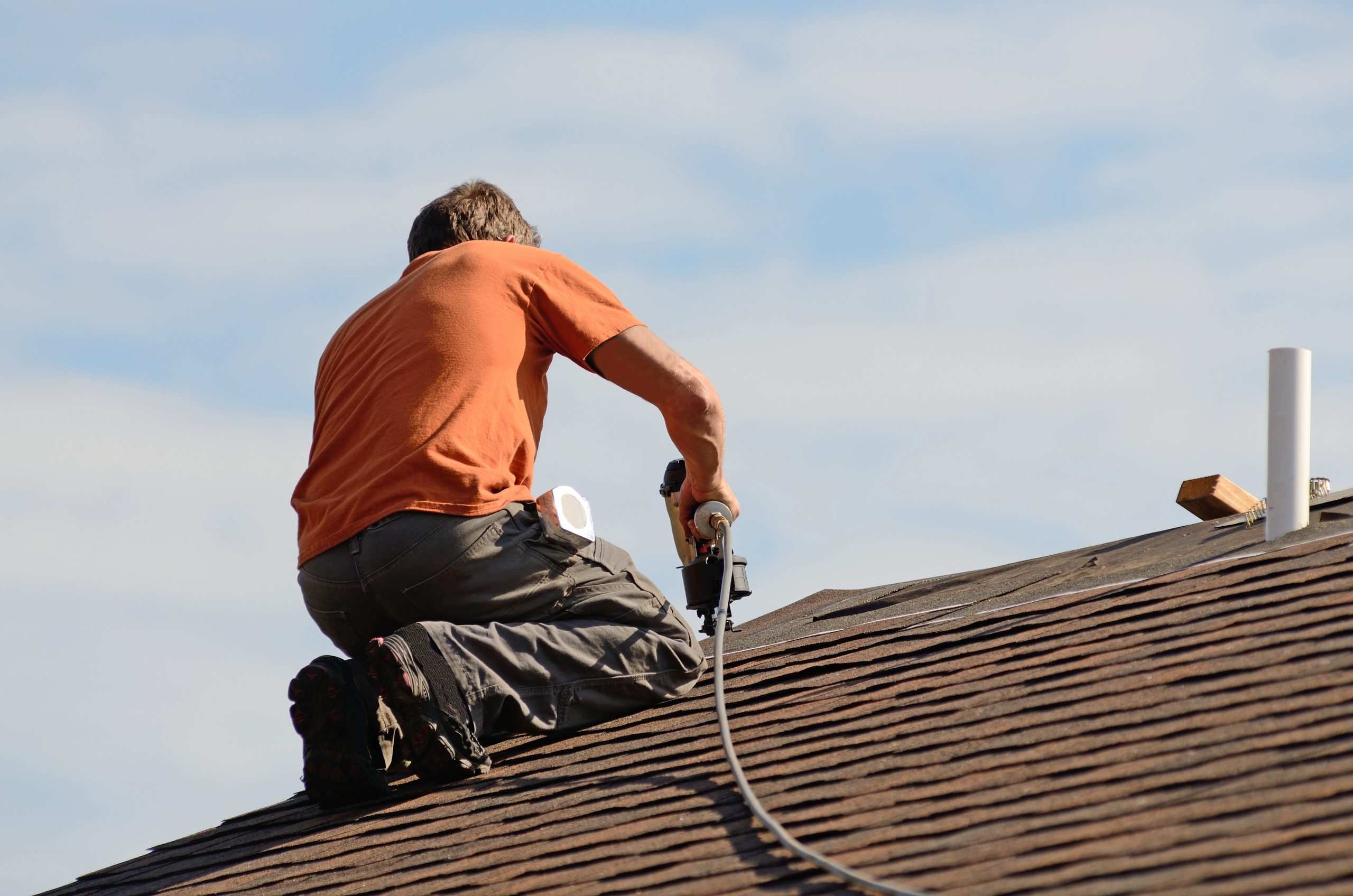
Weather windows matter in southeastern Wisconsin, where temperature swings affect shingle sealing and installation safety. Most residential replacements are scheduled in spring, summer, or early fall to allow adhesives to cure properly. Homeowners planning a project should expect an inspection, a written estimate outlining material and labor costs, and a scheduled installation window that accounts for seasonal demand.
Frequently Asked Questions
How long does a typical roof replacement take? Most residential projects are completed within one to three days, depending on roof size, pitch, and weather conditions during installation.
Can a new roof be installed over old shingles? Building codes and material warranties often limit how many shingle layers can remain, so a full tear-off is frequently recommended for long-term performance.
What is the best time of year to replace a roof in Wisconsin? Late spring through early fall generally offers the most consistent temperatures for proper shingle sealing and crew safety.
Does homeowners insurance typically cover roof replacement? Coverage depends on the cause of damage and the specific policy, so homeowners should review their plan details or speak with their insurer directly before assuming coverage.
A Practical Next Step
Menomonee Falls Roofing & Sheet Metal, Inc. is a roofing contractor serving southeastern Wisconsin homeowners with inspections, material guidance, and installation services for residential roofing projects. Homeowners weighing their options can review service details and reach out directly, or Visit Website to learn more about scheduling an on-site evaluation and getting a clear, written estimate before committing to a project.