Bottom line:
Property owners should verify licensing, patrol documentation, and response protocols before hiring any patrol provider in Greensboro.
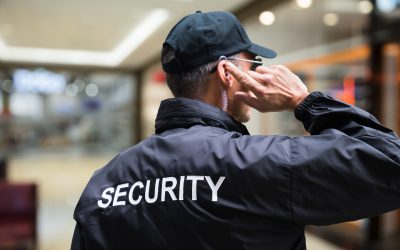
Mobile and foot patrol services deter theft and vandalism at commercial sites, apartment communities, and construction yards through visible, randomized checks.
Look for providers offering written incident reports and clear communication procedures for after-hours emergencies.
Property crime and vandalism remain persistent concerns for commercial and residential property managers across the Piedmont Triad, and many owners turn to patrol-based coverage as a cost-effective alternative to stationing a guard on site around the clock. Reliable Security Guard Patrol Services in Greensboro NC combine scheduled and randomized site visits with documented reporting, giving property managers visibility into what happens on their grounds overnight or during low-traffic hours. This approach works well for parking lots, retail centers, apartment complexes, and construction sites where a stationary guard may not be cost-justified but unmonitored gaps in coverage create risk.
Choosing the right provider means looking past marketing claims and focusing on how a company actually operates day to day. The sections below outline what separates a dependable patrol service from one that leaves gaps in coverage.
What Patrol Services Typically Cover
Patrol-based security differs from stationary guard posts in both structure and cost. A patrol officer moves between multiple checkpoints on a property or across several client sites during a shift, rather than remaining fixed at one entrance or desk.
Common patrol activities include:
Perimeter and exterior building checks
Parking lot and common area walkthroughs
Verification that doors, gates, and windows are secure
Monitoring for signs of trespassing, vandalism, or unauthorized vehicles
Documented timestamps and notes at each checkpoint
Randomized timing matters as much as frequency. Predictable patrol schedules can be observed and worked around, while varied visit times make it harder for anyone to anticipate when a site will be unattended.
Evaluating a Provider’s Licensing and Standards
Security guard companies operating in North Carolina must meet state licensing requirements administered through the North Carolina Private Protective Services Board, which oversees armed and unarmed guard registration, training hours, and company licensure. Property managers should ask any prospective vendor to confirm active licensure and provide proof of guard-specific training records before signing a contract. According to the U.S. Bureau of Labor Statistics, security guard positions are projected to see continued demand nationally, reflecting steady reliance on private security across commercial and residential sectors.
Beyond licensing, ask providers about:
Background screening procedures for guard personnel
Supervisor oversight and quality-control checks
Insurance coverage and liability protections
Uniform and vehicle identification standards
A provider unwilling to share this information directly is a signal to keep looking.
Comparing Patrol Coverage Options
Property needs vary widely, and coverage frequency should match actual risk exposure rather than a one-size-fits-all schedule.
Coverage Type | Best Suited For | Typical Visit Pattern |
|---|---|---|
Nightly random patrols | Retail centers, office parks | Multiple unscheduled checks per shift |
Weekend-only patrols | Seasonal or low-traffic properties | Concentrated visits during peak vacancy |
Construction site patrols | Active job sites with equipment | Checks focused on material and equipment security |
Combined patrol and on-call response | Mixed-use or larger properties | Scheduled rounds plus alarm-triggered dispatch |
Matching the coverage type to the property’s actual traffic patterns and past incident history helps avoid paying for more coverage than needed, or worse, too little.
Questions to Ask Before Signing a Contract
A short conversation before signing can reveal a lot about how a company actually runs its patrol operations.
How are patrol visits documented and shared with the client?
What is the response protocol if a guard finds an active break-in or suspicious activity?
Are patrol vehicles marked, and are guards in uniform?
Can the schedule be adjusted seasonally or after an incident?
Written incident reports, delivered promptly after each shift or on a regular schedule, give property managers a paper trail that is useful for insurance claims and long-term security planning.
Frequently Asked Questions
How often should a commercial property receive patrol visits? Frequency depends on the property’s size, location, and incident history, with higher-risk sites typically requiring multiple nightly checks and lower-risk sites needing less frequent coverage.
Is patrol service enough, or does a property need a stationary guard too? Many properties use patrol service alone, while others combine it with a stationary guard during peak hours or high-risk periods for layered coverage.
What should be included in a patrol incident report? A thorough report includes the time of each checkpoint visit, observations made, and any irregularities noted, along with photos when relevant.
Do patrol officers in North Carolina need to be licensed? Yes, guard personnel and the companies that employ them must meet state licensing and training requirements before providing patrol or guard services.
Property owners weighing patrol options should request documentation, ask direct questions about response protocols, and confirm licensing before committing to a contract. The DM Burr Group is one option Greensboro property managers can research directly through its Google Business Profile to review service details and client feedback firsthand.