Summary first:
• Bulk soil delivery saves time and money compared to bagged products for most yard and garden projects.
• Spokane Valley yards benefit most from screened topsoil, compost blends, or lawn-and-garden mixes matched to the project type.
• Local suppliers offer pickup and delivery, making it easy to order the right volume without overspending.
Getting the right soil into your garden beds is one of the most direct ways to improve plant health and reduce long-term maintenance. For homeowners, garden soil delivery in Spokane Valley WA is a practical alternative to hauling bags from a big-box store, especially when a project covers more than a few square feet.
Bulk vs. Bagged: Which Delivery Format Makes Sense
Deciding between bulk and bagged soil comes down to the scale of your project. Bagged soil is convenient for very small tasks, like filling a few containers or amending a tiny flower patch, but for anything larger, bulk delivery is almost always the better choice.
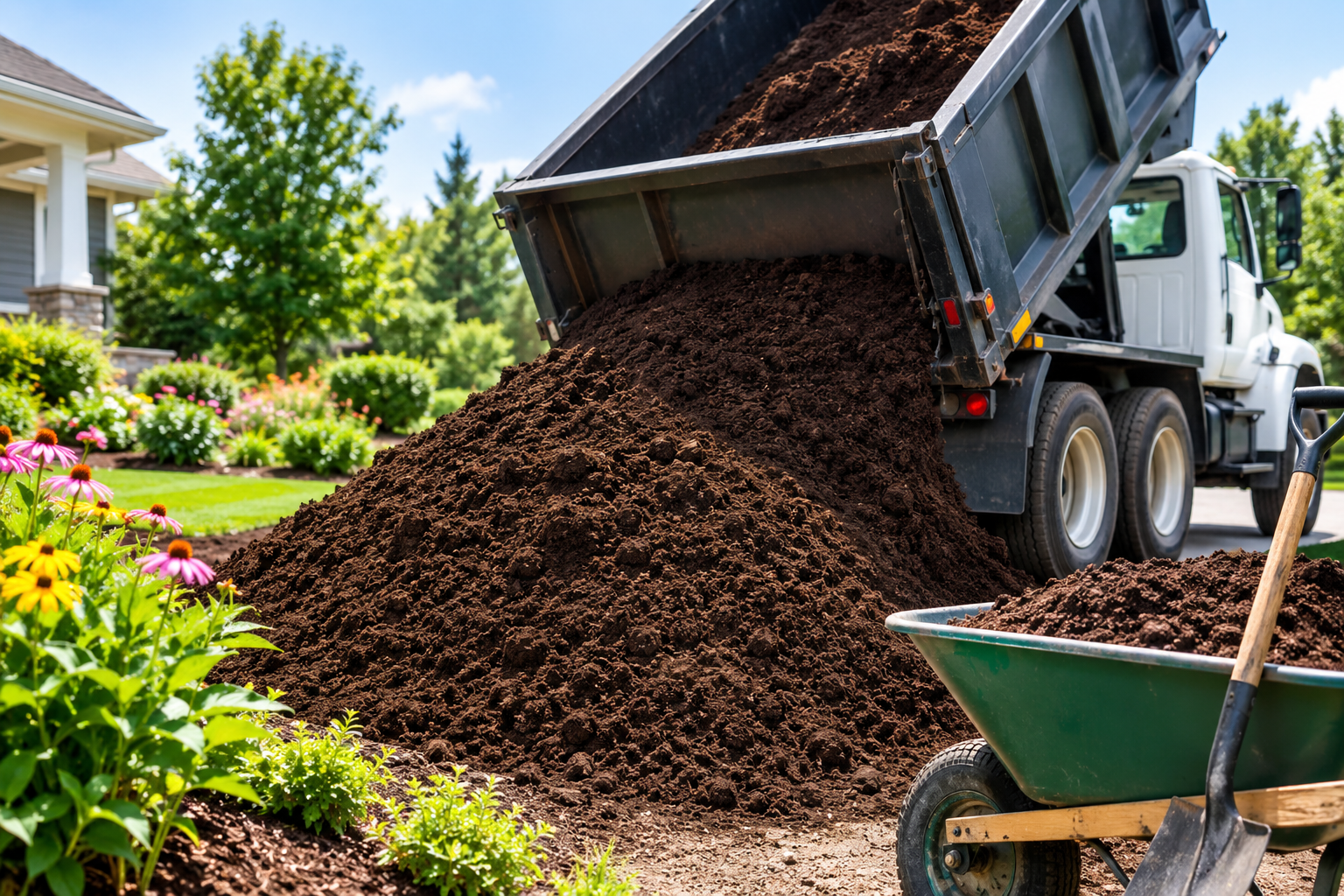
If your project requires a significant amount of soil, buying in bulk is almost always the most economical choice. Purchasing soil by the cubic yard is far cheaper than buying dozens of small bags from a big-box store. Bulk orders also reduce plastic waste and eliminate multiple trips.
|
Format |
Best For |
Typical Volume |
|
Bagged soil |
Container gardens, small patches |
Under 0.5 cubic yards |
|
Bulk pickup |
Medium beds, lawn topdressing |
0.5 to 3 cubic yards |
|
Bulk delivery |
Large projects, full yard installs |
3+ cubic yards |
Most residential garden projects fall into the bulk pickup or delivery category once you factor in raised beds, new lawn areas, or grading work.
Soil Types Available for Spokane Valley Projects
Not all soil products serve the same purpose. Choosing the wrong type can lead to drainage problems, nutrient deficiencies, or poor plant establishment. Here is a breakdown of the most common options:
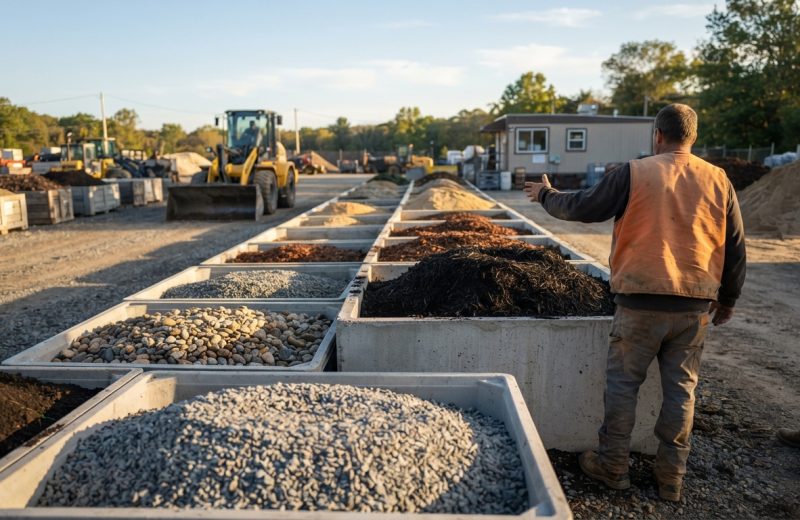
• Screened topsoil: When you order premium topsoil, it has typically been screened, meaning filtered to remove rocks, roots, and other debris, leaving a fine, consistent material that is easy to work with. It suits lawn leveling and general bed preparation.
• Lawn and garden soil mix: This blend is composed of 75% rich farmland topsoil and 25% compost, making it ideal for lawns and gardens. It provides structure and organic matter in one product.
• Local compost: Locally produced compost is high in nitrogen and weed-free, adding a multitude of nutrients to garden beds. Adding a layer in the fall can improve the following growing season.
• Sandy loam topsoil: This soil type is made up of sand along with varying amounts of silt and clay, often used as a turf builder under lawns because it drains well.
Most gardens in the Pacific Northwest require summer irrigation, so choosing a soil with good moisture retention, such as a compost-amended blend, reduces watering frequency during Spokane Valley’s dry summers. The WSU Extension Home Gardener’s Guide to Soils and Fertilizers offers region-specific guidance on soil structure, fertility, and organic matter that applies directly to Inland Northwest conditions.
How to Estimate How Much Soil You Need
Ordering the right quantity prevents waste and avoids a second delivery charge. Use these general guidelines before placing an order:
• Garden beds and new planting areas benefit from 6 to 8 inches of quality soil to give roots room to develop before they encounter the compacted fill layer below.
• For lawn leveling or topdressing, a shallower 1 to 2 inch layer is typically sufficient.
• One cubic yard covers approximately 100 square feet at a 3-inch depth.
Measure the length, width, and desired depth of your project area, then divide by 27 to convert cubic feet into cubic yards. When in doubt, round up slightly — running short mid-project is more disruptive than having a small surplus.
Finding a Reliable Soil Delivery Provider in Spokane Valley
Broadway Landscape Supply is a highly rated full-service landscape supply and delivery company in Spokane Valley, WA, offering a wide delivery range as well as local pickup. The company offers bulk landscape supply products for pickup and delivery, including topsoil, compost, and decorative rock, with easy online ordering for delivery or curbside pickup.
When evaluating any local supplier, look for these factors:
• Screened and tested soil products free of debris
• Clear per-yard pricing with transparent delivery fees
• Online or phone ordering with flexible scheduling
• Pickup option for smaller loads to reduce cost
Broadway Landscape Supply is located at Spokane Valley, serving homeowners and contractors throughout the area. Contacting the team directly is the best way to confirm current product availability, delivery radius, and minimum order requirements for your specific project.
Frequently Asked Questions
What is the difference between topsoil and garden soil? Topsoil is the upper layer of earth, screened for debris and used for grading or filling. Garden soil is typically a blended product that includes compost or amendments designed to support plant growth directly in beds.
How many cubic yards do I need for a raised garden bed? A standard 4×8 foot raised bed filled to 12 inches deep requires approximately 1.2 cubic yards of soil. Measure your dimensions and calculate cubic feet first, then divide by 27.
Can I pick up soil instead of having it delivered? Yes. Easy online ordering is available for delivery or curbside pickup, which can reduce costs for smaller projects where a half-yard or single yard is all that is needed.
When is the best time to order garden soil in Spokane Valley? Spring and early fall are peak ordering seasons. Ordering a few weeks before your planting window helps ensure availability and gives you time to prepare beds before planting.
Matching your soil type to your specific project, calculating the right volume, and choosing a local supplier with flexible delivery options are the three decisions that determine whether a garden project starts on solid ground. Taking a few minutes to plan before ordering saves both time and cost once the work begins.