Essentially:
- Interior shutters give Mesa homeowners adjustable privacy and light control while helping block the region’s intense solar heat gain.
- Plantation, tier-on-tier, and cafe-style shutters are the main configurations suited to different rooms and window types.
- Energy.gov lists shutters among recognized window attachments that help manage heat gain and loss, alongside shades, blinds, and awnings.
Choosing window shutters in Mesa, AZ usually comes down to balancing three things: how much light a room needs, how much privacy the window requires from the street or neighbors, and how well the treatment handles desert heat. Mesa’s climate makes the energy question especially practical, since south- and west-facing windows take on heavy afternoon sun for much of the year.
Finding the right fit starts with understanding which shutter style matches each window’s purpose. Window Shutters in Mesa, AZ range from full-coverage panels to half-window designs, and the right choice depends on the room, the window’s orientation, and how much airflow or privacy a household wants at different times of day.
How Shutter Styles Affect Privacy and Light
Shutters are not one-size-fits-all. The panel configuration determines how much of the window is covered and how independently sections can open.
- Full-height plantation shutters: provide a seamless and sophisticated look, covering the entire window, with optional mid-rails to offer flexible light control and privacy, ideal for large living room windows or bedrooms.
- Tier-on-tier shutters: feature a dual-panel system, allowing homeowners to open the top and bottom sections independently, especially beneficial for bay windows standard across Mesa’s traditional neighborhoods.
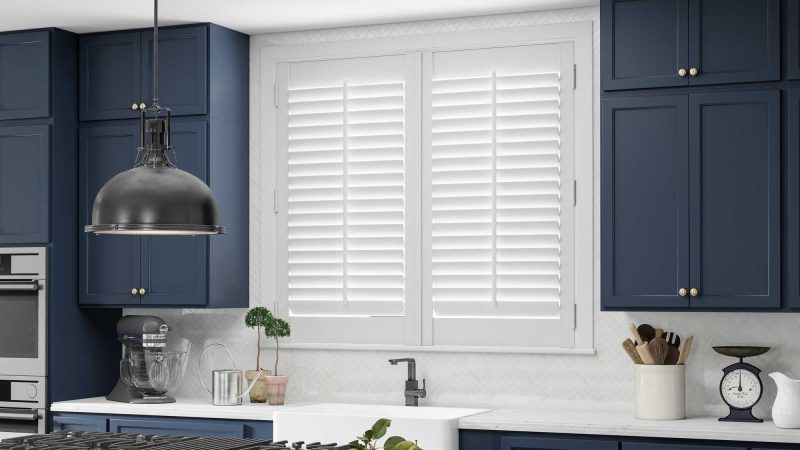
- Cafe-style shutters: cover only the bottom half of windows, providing a blend of natural light and privacy, ideal for kitchen or dining areas and windows with street-facing exposure.
Each style lets a homeowner dial in exactly how much of the window stays shaded versus open, which matters most in rooms that face busy streets or get direct afternoon glare.
Why Shutters Matter for Energy Performance in a Desert Climate
Mesa’s long cooling season puts extra demand on any window covering’s ability to block heat before it enters the living space. According to Energy.gov’s guidance on window attachments, operable coverings such as shutters, shades, and blinds are recognized for their ability to reduce unwanted solar heat gain when it is hot and reduce heat loss through windows when it is cold.
Solid-panel shutters close tightly against the frame, which limits the air exchange that drives temperature swings near windows. This matters for rooms with large glass areas or west-facing exposure, where afternoon sun is strongest. Mesa’s window treatments need to handle the intense summer heat and year-round sunshine that come with living in one of Arizona’s sunniest cities.
Material Choices and Climate Durability
Material selection affects how shutters perform over years of exposure to Arizona heat, not just how they look on day one.
| Material Type | Best For | Climate Consideration |
| Hardwood | Formal rooms, resale appeal | Needs stable indoor climate; adds natural warmth, privacy, and lasting style |
| Polyhybrid (wood-composite) | High-heat or high-humidity rooms | Combines durability, style, and energy efficiency for desert climate conditions |
| Vinyl/composite | Bathrooms, kitchens, budget projects | Resists warping better than solid wood in extreme heat |
Mesa homeowners know the value of quality window treatments that can withstand Arizona’s intense desert climate while maintaining beautiful aesthetics. Polyhybrid options were developed specifically to hold up where temperature swings are common.
Matching Shutters to Mesa Homes and Neighborhoods
Window sizes, architectural styles, and privacy needs vary across Mesa’s established and newer communities. Whether a home sits in Downtown Mesa, Dobson Ranch, Las Sendas, or Eastmark, local architecture and community needs shape which shutter configuration fits best.
A few practical steps for narrowing down options:
- Identify which rooms need full privacy versus partial coverage.
- Note which windows face south or west, since those see the most direct heat.
- Measure for standard, arched, or sliding-door openings before requesting quotes.
- Compare material samples in person, since color and grain can shift under desert light.
From the tree-lined streets of historic neighborhoods like Kleinman Park to the golf course communities of Eastmark and Las Sendas, Mesa homeowners invest in their properties and expect quality results. Matching shutter style to the home’s existing trim and window shape keeps the finished look consistent room to room.
Frequently Asked Questions
Do shutters work well on bay or arched windows? Tier-on-tier designs are commonly used for bay windows because the independent top and bottom panels allow light control without sacrificing privacy on either section.
Are shutters better than blinds for energy performance? Energy.gov groups shutters with shades, blinds, and awnings as recognized attachments that help control both heat gain and heat loss, though performance depends on fit, material, and how consistently they are closed during peak sun hours.
What is the difference between hardwood and polyhybrid shutters? Hardwood offers a traditional look prized for resale appeal, while polyhybrid construction blends wood aesthetics with composite durability built for heat and humidity swings.
Can shutters be installed on kitchen or dining windows? Cafe-style shutters are suited to these spaces since they cover only the lower half, keeping counters private while letting light into the upper window.
Shutters remain one of the few window treatments that combine adjustable privacy, usable natural light, and a documented role in managing heat gain, making them a practical fit for Mesa’s sun-heavy climate. Homeowners comparing materials and panel styles for their own windows can get a local, no-cost assessment from Arizona Shutter Company, which works directly with Mesa’s neighborhoods and window types.