The gist:
- A tooth extraction is usually recommended when a tooth is too decayed, damaged, or crowded to save, and preparation focuses on medical history review, a clean mouth, and arranging aftercare support.
- Recovery centers on protecting the blood clot for the first 24 to 48 hours through rest, gentle gauze pressure, and a soft-food diet.
- Costs and timelines vary, so confirming details with a local dental office before the appointment helps avoid surprises.
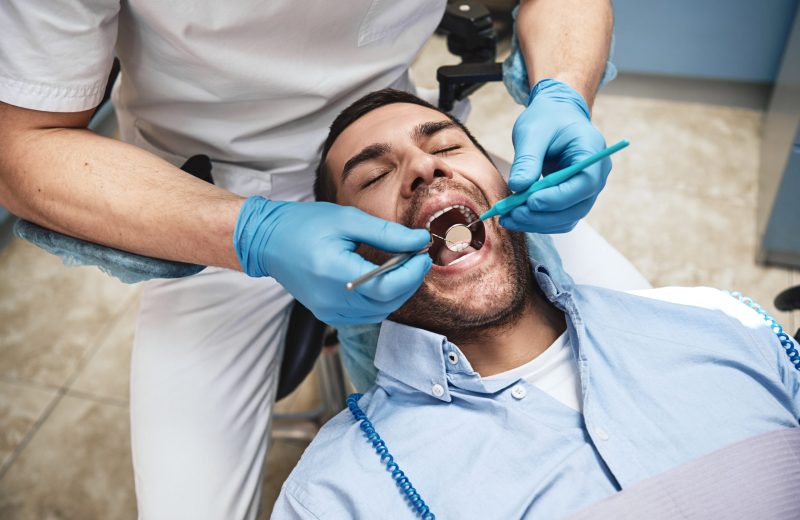
A tooth extraction is a routine dental procedure where a damaged, infected, or problematic tooth is removed, and most patients can prepare by reviewing their medical history with their dentist, arranging a ride home if sedation is used, and planning soft foods for the days after. Knowing what to expect before you sit in the chair makes the process faster and less stressful.
Extractions Las Vegas NV are typically considered when a tooth cannot be restored with a filling, crown, or root canal. Common reasons include severe decay, advanced gum disease, a cracked tooth below the gumline, or overcrowding that affects orthodontic treatment. Wisdom teeth are also frequently removed when they become impacted or cause recurring pain, infection, or swelling near the back of the mouth, according to Mayo Clinic.
How Dentists Decide a Tooth Needs to Come Out
Before recommending removal, a dentist examines the tooth and reviews dental X-rays to confirm the extent of damage or infection. Several factors typically guide the decision:
- Whether the tooth structure is too compromised to support a filling or crown
- Signs of infection spreading to surrounding bone or gum tissue
- Risk of impaction, especially with wisdom teeth that lack room to erupt properly
- Orthodontic needs where overcrowding requires more space
A dentist will walk through these findings so patients understand why extraction is the recommended path rather than a more conservative repair.
Preparing for Appointment Day
Preparation reduces anxiety and helps the procedure go smoothly. Most dental offices ask patients to take a few simple steps beforehand.
- Share your full medical history, including current medications and any bleeding disorders.
- Eat a light meal beforehand unless sedation instructions say otherwise.
- Arrange transportation if sedation is part of the plan, since driving afterward is not safe.
- Stock up on soft foods such as yogurt, mashed potatoes, and soup for the days following the procedure.
- Ask about pain management options so you have medication ready at home.
Patients with underlying health conditions, such as diabetes or heart issues, should mention these clearly, since they can affect healing and anesthesia choices.
What Happens During and Immediately After
During a simple extraction, the area is numbed with local anesthesia and the tooth is loosened before removal. More complex cases, including impacted teeth, may involve a small incision and sometimes stitches. Immediately afterward, a dentist places gauze over the site and instructs the patient to bite down gently to encourage clot formation, a step described consistently across dental aftercare guidance from Dupont Dental.
The first 24 to 48 hours are the most important window for recovery. Key aftercare steps include:
| Timeframe | What to Do |
|---|---|
| First 30-60 minutes | Bite gently on gauze to control bleeding and support clot formation |
| First 24 hours | Avoid rinsing, spitting, straws, and smoking to protect the clot |
| Day 1-2 | Rest, apply cold compress in short intervals, eat soft foods only |
| After 24 hours | Begin gentle warm salt water rinses several times a day |
Avoiding straws, smoking, and vigorous rinsing matters because disturbing the clot can lead to a painful complication called dry socket. Mild bleeding, swelling, and soreness are normal in the first few days, and over-the-counter pain relievers are generally sufficient unless a dentist prescribes something stronger.
When to Contact Your Dentist After Extraction
Most recovery proceeds without incident, but certain symptoms warrant a follow-up call. These include bleeding that continues beyond 24 hours, fever, worsening pain after the third day, or visible pus near the extraction site. A dentist can evaluate whether the symptoms point to infection, dry socket, or another issue needing attention.
Eastwind Dental, a Las Vegas general dentistry practice, lists tooth extractions among its core services alongside fillings, crowns, and root canals. Patients considering an extraction can review service details and current office information directly with the practice before scheduling.
Frequently Asked Questions
How long does it take to recover from a tooth extraction? Soft tissue healing generally takes a couple of weeks, while the underlying bone can take longer to fully recover. Most people return to normal eating and activity within several days, depending on the complexity of the extraction.
Is a tooth extraction painful? The area is numbed with local anesthesia during the procedure, so patients typically feel pressure rather than pain. Some soreness and swelling afterward are normal and usually manageable with over-the-counter pain relievers.
Can I eat normally the same day as my extraction? No, soft foods like yogurt, mashed potatoes, and smoothies are recommended for the first few days. Hard, crunchy, or hot foods should be avoided until the dentist confirms the site has healed enough.
What is dry socket and how is it avoided? Dry socket happens when the protective blood clot is dislodged or dissolves too early, exposing bone and nerve endings. Avoiding straws, smoking, and vigorous rinsing in the first day or two significantly lowers this risk.
Tooth extractions are common procedures that most patients recover from without complications when they follow basic aftercare steps. Reviewing the reasons for removal, preparing for the appointment, and understanding the recovery timeline helps set realistic expectations. For more information about dental care and available services, Visit Website. Anyone with questions about a specific case should speak directly with their dental provider for guidance suited to their situation.