Snapshot:
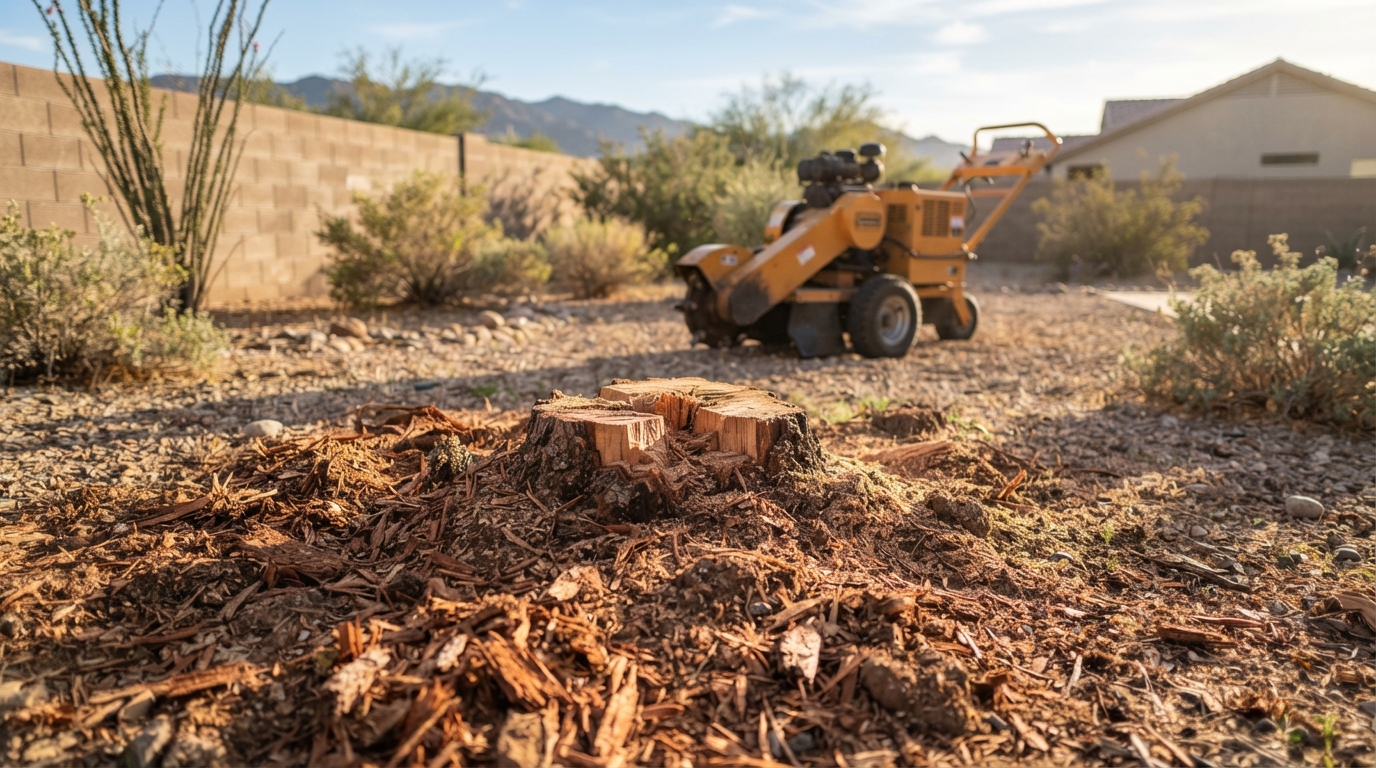
• Stump grinding uses a rotating cutter wheel to reduce a tree stump to wood chips below the soil surface, typically eliminating tripping hazards and regrowth risk.
• Grinding depth, utility location, and yard access all affect how a job is priced and scheduled.
• In Las Vegas, NV, desert soil conditions and irrigation lines near removed trees are common factors that affect the process.
Stump grinding is an effective way to remove a leftover tree stump by mechanically grinding it into wood chips, typically several inches below ground level. This process helps homeowners reclaim usable yard space for leveling, replanting, or landscaping while reducing potential tripping hazards and minimizing the chance of unwanted regrowth. For property owners looking to maintain a clean, attractive outdoor space after tree removal, Contact RedGator Tree Trimming & Landscape to learn more about stump grinding and other tree care services that can help improve the appearance, safety, and usability of your landscape.
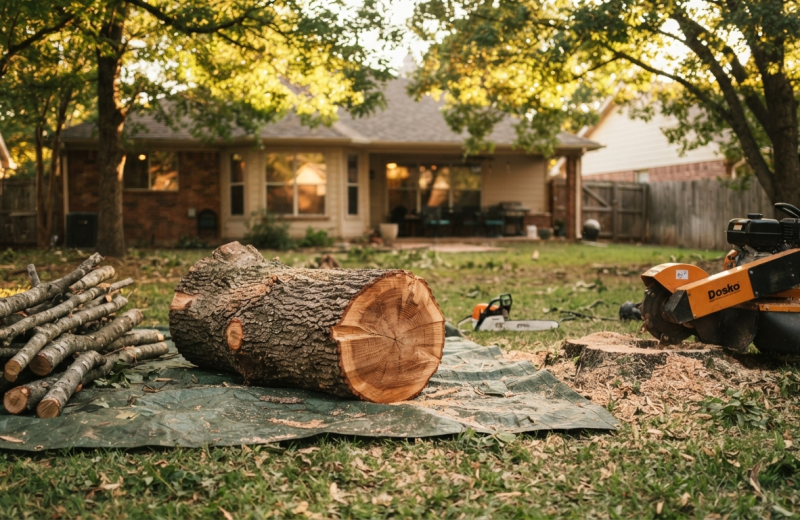
A stump left in the ground after a tree removal is more than a cosmetic problem. According to the Wikipedia entry on stump grinders, a stump grinder is a machine designed to remove tree stumps by using a rotating cutting disc that chips away the wood. For homeowners weighing whether to tackle this step, stump grinding is generally handled by licensed tree service crews rather than as a do-it-yourself project, given the weight and power of the equipment involved.
How Professional Stump Grinding Works
The grinding process follows a fairly consistent sequence regardless of stump size or location. Most crews move through the same core stages:
• Measuring the stump and checking yard access for equipment
• Locating irrigation lines or utilities near the root zone
• Grinding the stump and surface roots below grade using a cutter wheel
• Backfilling or raking the resulting wood chips and soil
Depth matters for the result. Industry guidance from the University of California’s weed management program notes that crews should repeat this process until the hole is at least 4 inches below ground level to prevent resprouting. Grinding depth below the surface is a common benchmark cited across the tree care industry for stopping regrowth and allowing new sod or soil to sit level.
Why Homeowners Choose This Over Full Removal
Grinding and full stump removal are not the same service, and the choice affects cost, yard disruption, and timeline.
|
Factor |
Stump Grinding |
Full Stump Removal (Excavation) |
|
Method |
Rotating cutter wheel chips stump below grade |
Digging out the entire root ball |
|
Yard disruption |
Limited to the stump area |
Can disturb a wider area and nearby roots |
|
Typical use case |
Aesthetics, tripping hazard, replanting prep |
Construction, foundation work, large root systems |
|
Leftover material |
Wood chips and soil mix |
Open hole requiring fill dirt |
Grinding is generally the less invasive option because it stays contained to the stump itself rather than disturbing a wider section of yard.
What Affects Scheduling and Site Prep in the Las Vegas Area
Several practical factors shape how a stump grinding job is planned for a property in Las Vegas, NV. Desert landscaping often means irrigation lines run close to tree root zones, so locating those lines before grinding begins helps avoid damage. Compacted or rocky soil, common in the valley, can also affect how equipment accesses tight side yards or walled-in backyards.
Homeowners preparing for a visit should also consider:
• Clearing a path wide enough for grinding equipment to reach the stump
• Noting the location of sprinkler heads, drip lines, or buried cabling near the stump
• Deciding whether wood chip byproduct should be hauled away or left for garden use
RedGator Tree Trimmin’ and Landscape, a Las Vegas, NV based tree service, lists stump grinding among its documented service offerings following tree removal work. Additional details about the business, including service area and reviews, can be found by checking RedGator GBP.
Frequently Asked Questions
1. Does stump grinding remove the entire root system?
→ No. Grinding chips away the visible stump and surface roots below grade, but deeper lateral roots typically remain in the soil and break down naturally over time.
2. Can a new tree be planted where a stump was ground?
→ In many cases yes, though grinding depth and remaining root material affect whether the same spot or a nearby location is better suited for replanting.
3. Is stump grinding safe to schedule the same day as tree removal?
→ Many crews combine the two tasks in a single visit since the same equipment and site access apply to both jobs, which can reduce overall disruption to the yard.
4. What happens to the wood chip material after grinding?
→ The resulting mix of wood chips and soil can either be hauled off the property or left on site for use as mulch in garden beds.
A stump left untreated after removal can attract pests, create a tripping hazard, and limit how a yard can be replanted or landscaped. Understanding the grinding depth, utility checks, and site access involved helps homeowners set realistic expectations before scheduling the work.
For business location and contact details, view RedGator Tree Trimming & Landscape on Google Business Profile when planning tree-related yard work in the area.