Proper tree maintenance is essential for the health, beauty, and safety of your property. Many homeowners consider pruning trees themselves to save money and keep their landscape looking its best. However, when searching for Tree Pruning in Lafayette, LA, it’s important to understand that DIY pruning can lead to costly and sometimes dangerous mistakes if not done correctly. To maintain your trees effectively and avoid common pitfalls, it’s crucial to know these mistakes before picking up your pruning shears. For a comprehensive guide, Scott’s Tree Service provides helpful information for homeowners considering professional tree care.
Over-pruning or Topping
One of the most common mistakes homeowners make is over-pruning, or “topping,” their trees. Over-pruning involves removing too much foliage or large branches, which can severely weaken the tree. Topping, or cutting large branches back to stubs, disrupts the tree’s natural growth pattern and exposes it to disease and decay. In Lafayette’s climate, this practice can further stress trees, making them more susceptible to pests and environmental stressors. It’s best to remove only what is necessary, typically no more than 25% of a tree’s canopy in a single season.
Incorrect Timing
Pruning at the wrong time of year can stunt growth or even kill a tree. Many species common in Lafayette thrive when pruned during dormancy, usually in late winter or early spring before new growth begins. Pruning during active growth seasons, especially in summer, can leave wounds vulnerable to insects and disease. Always research your specific tree type and plan your pruning accordingly.
Using Improper Tools
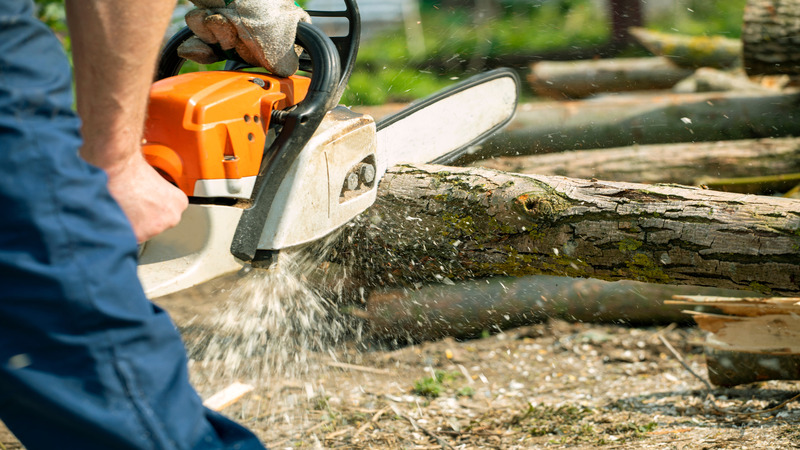
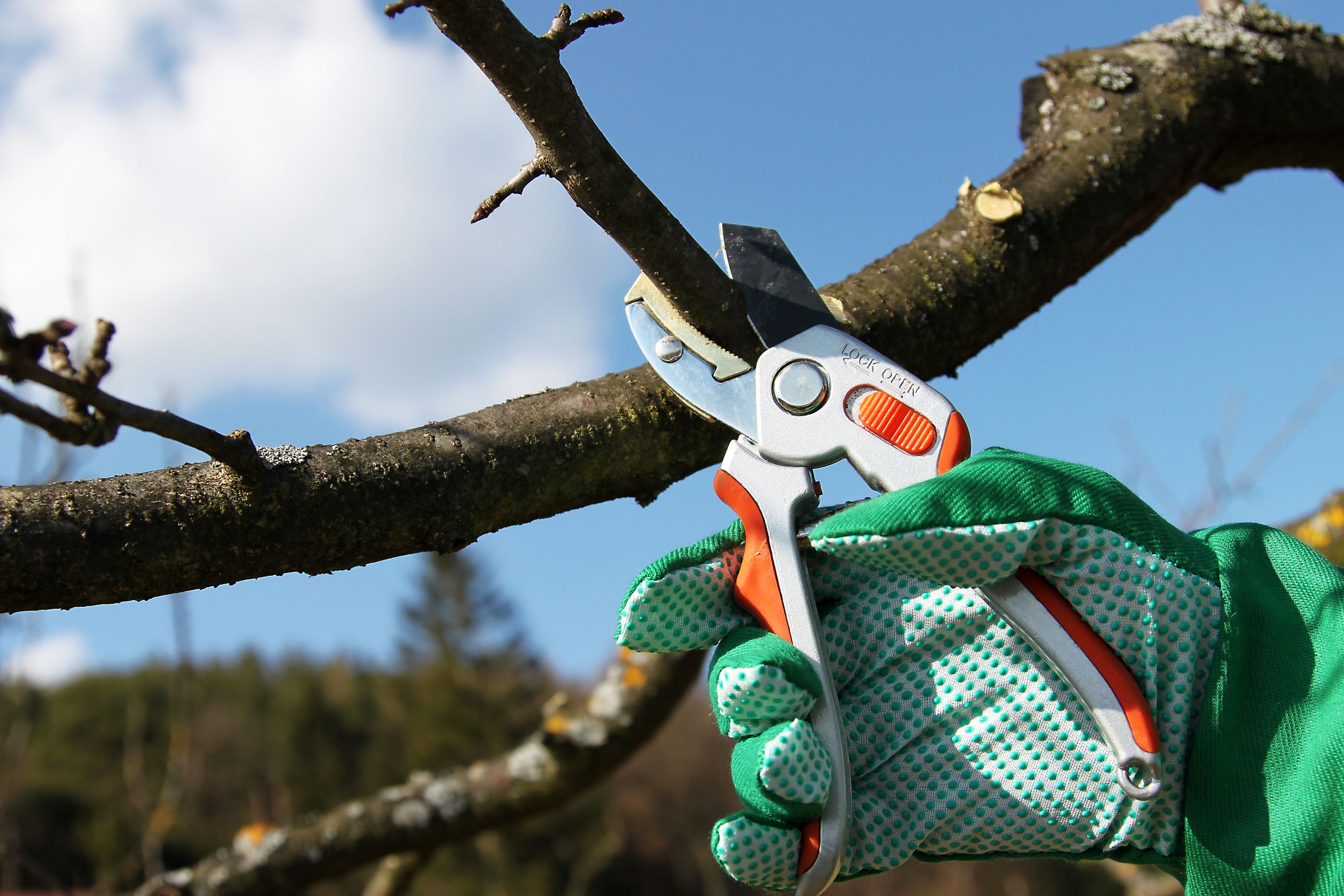
Dull, dirty, or inappropriate tools can harm your trees and make the job harder. Clean, sharp pruning shears, loppers, and saws ensure clean cuts that heal quickly. Dirty tools can introduce diseases, while dull blades crush and tear branches instead of making clean cuts. Before starting, inspect your tools and sanitize them to prevent the spread of pathogens.
Ignoring Safety Precautions
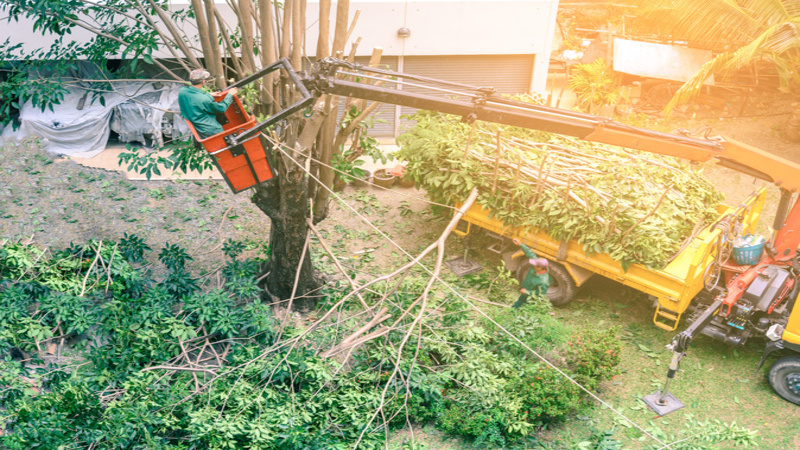
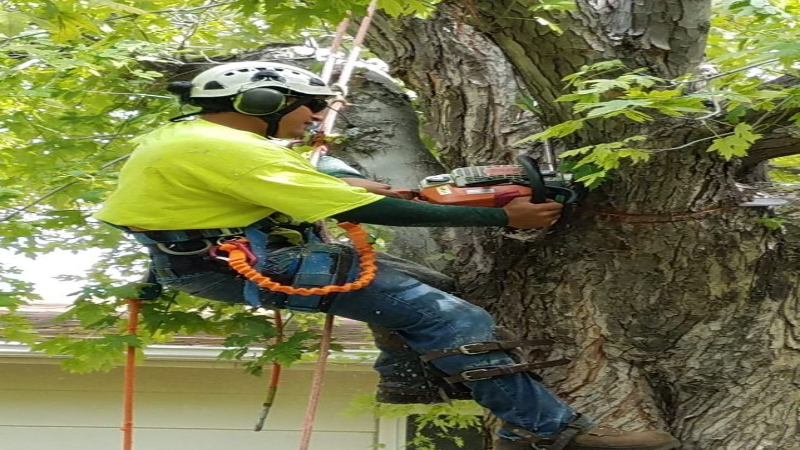
Tree pruning involves working with sharp tools, often at heights or near power lines. Skipping safety precautions can result in serious injury or property damage. Always wear protective gear such as gloves, safety glasses, and a hard hat if working overhead. Never attempt to prune near power lines, and avoid using ladders on uneven ground. If the job seems risky, consult a professional.
Making Improper Cuts
How you cut branches matters as much as what you prune. Avoid leaving stubs, which can invite pests and disease, or cutting too close to the trunk, which can damage the tree’s natural defenses. Use the “three-cut method” for larger branches:
-
Make an undercut about 12 inches from the trunk to prevent bark tearing.
-
Make a second cut a few inches farther out to remove the branch.
-
Finish with a clean cut just outside the branch collar.
This technique minimizes harm and encourages proper healing.
Pruning Without a Clear Purpose
Every cut should have a reason. Randomly removing branches can unbalance the tree’s form, weaken its structure, or reduce its lifespan. Typical reasons to prune include removing dead or diseased wood, improving airflow, shaping the tree, or eliminating hazards. Before cutting, step back and assess the tree’s overall shape and health.
Neglecting Tree Health and Species Considerations
Each tree species has unique pruning needs. Some respond well to heavy pruning, while others are more sensitive. For instance, certain oaks are vulnerable to disease if pruned at the wrong time, while crepe myrtles can be damaged by aggressive cutting. Study your trees or consult local guidelines to avoid species-specific mistakes.
Failing to Remove Diseased or Dead Wood
Dead or diseased branches not only detract from a tree’s appearance but also pose safety risks and can spread problems to healthy parts of the tree. Removing these branches promptly helps maintain the tree’s health and prevents future issues. Always dispose of diseased wood away from healthy trees to avoid contamination.
Overlooking Aftercare
Pruning doesn’t end when the last branch falls. Proper aftercare, such as watering, mulching, and monitoring for pests or disease, is essential for recovery. Avoid sealing wounds with paint or tar, as research shows this can trap moisture and promote decay. Let the tree’s natural healing processes work.
When to Seek Professional Help
Sometimes, the best choice is to call a certified arborist, especially for large trees, complex jobs, or when safety is a concern. Professionals have the expertise, equipment, and experience to handle challenging situations and support your trees’ long-term health.
For residents seeking reliable tree care, Scott’s Tree Service stands out as a trusted partner for expert pruning and maintenance in Lafayette, keeping trees healthy, attractive, and safe year-round.