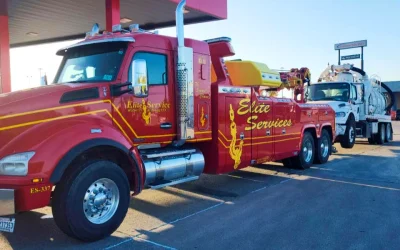
When a loaded work truck cannot build sufficient air pressure, its braking system may not function as designed, making continued operation unsafe. In many cases, the truck should remain parked until the air system is inspected or the vehicle is moved by an appropriate towing method.
For commercial drivers in Queen Creek, AZ, low or non-building air pressure can indicate a serious mechanical issue involving the compressor, air lines, valves, tanks, or braking components.
Why Is Air Pressure Important on a Work Truck?
Many medium- and heavy-duty work trucks use compressed air to operate their braking systems. The truck’s air compressor builds pressure and stores it in air tanks so the brakes can respond properly when the driver applies the pedal.
If the system cannot reach the required operating pressure, the brakes may not release normally or may not function consistently.
A truck carrying tools, materials, construction equipment, or another load creates additional demands on the braking system. Because the total vehicle weight is higher, any problem affecting braking performance becomes more significant.
This is why an air pressure problem should not be treated as a minor dashboard warning.
What Can Cause a Truck to Stop Building Air Pressure?
Several mechanical problems can prevent an air brake system from reaching normal pressure.
A damaged or worn air compressor may not produce enough pressure. Air can also escape through cracked hoses, loose fittings, failed valves, or damaged air tanks.
Leaks may be obvious if a strong hissing sound is present, but smaller leaks can be harder to identify.
Moisture or contamination inside the system may also interfere with valves or other components. In colder conditions, moisture can sometimes affect airflow, although mechanical failure is still a common reason for pressure loss.
The exact cause should be identified before the truck is placed back into service.
What Happens If Air Pressure Gets Too Low?
When air pressure drops below a safe operating level, the truck may activate warning lights, alarms, or other indicators.
If the pressure becomes too low, spring brakes may begin to apply. Spring brakes are designed to help stop or hold the vehicle when air pressure is lost.
Once those brakes engage, the truck may no longer roll freely.
This can create a difficult roadside situation because the vehicle may not simply be driven or pulled away. The towing operator must account for the braking system before attempting to move the truck.
Should a Loaded Truck Be Driven With Low Air Pressure?
A loaded truck should not continue operating if it cannot build or maintain adequate air pressure.
Even if the vehicle seems capable of moving, the braking system may not respond properly under normal driving conditions. A heavier truck also needs more braking force to slow down safely.
Trying to drive the truck a short distance can increase the risk of brake failure or leave the vehicle disabled in a less accessible location.
If pressure does not build normally, the safer approach is to stop operating the vehicle and arrange for inspection or towing.
Does the Load Affect the Towing Decision?
Yes. The weight and type of cargo can significantly affect how the vehicle should be moved.
A loaded work truck may weigh considerably more than the same truck when empty. Tools, equipment, building materials, utility gear, or other cargo can change the vehicle’s total weight and weight distribution.
Before arranging Towing, the towing provider should know whether the truck is loaded and what it is carrying.
This information helps determine whether a medium-duty or heavy-duty unit is required.
If the vehicle is large, heavily loaded, or unable to roll because the brakes are applied, a Heavy Tow Truck may be needed to handle the vehicle safely.
How Does Low Air Pressure Affect the Towing Process?
Air brake problems can make the towing process more complex because the truck’s brakes may be locked.
The operator may need to assess whether the brakes can be released safely before the vehicle can be loaded or lifted. The drivetrain, axle configuration, vehicle weight, cargo, and roadside position can also affect the towing method.
A truck that cannot roll may require additional recovery steps.
This is why drivers should explain the air pressure problem when requesting a Towing Service rather than simply reporting that the truck will not move.
Providing accurate information helps the operator arrive prepared for the vehicle’s condition.
What Information Should the Driver Provide?
Before the tow truck arrives, the driver should provide as much information as possible.
Useful details include the truck type, approximate weight, whether it is loaded, what cargo is being carried, and whether the brakes appear to be locked.
The driver should also mention whether the air pressure gauge is rising at all, whether warning alarms are active, and whether there is an audible air leak.
If the truck is blocking traffic, positioned on a slope, or stopped in a narrow area, that information should also be shared.
Clear details can help reduce delays once the towing vehicle arrives.
Can the Air System Be Repaired on the Road?
Some minor air system problems may be repairable roadside, depending on the cause and location of the failure.
However, a driver should not assume that adding air or temporarily stopping a leak makes the truck safe for continued operation.
Problems involving the compressor, brake chambers, valves, air tanks, or major lines may require shop-level inspection and repair.
If there is any uncertainty about braking reliability, towing the truck to a repair facility is generally the safer option.
When Should a Towing Service Be Called?
A towing service should be contacted when the truck cannot build normal air pressure, the brakes will not release, or the vehicle cannot be moved safely under its own power.
For loaded work trucks in Queen Creek, AZ, the towing method should account for both the vehicle and its cargo.
If air pressure problems leave a work truck unable to operate safely, keep the vehicle parked, provide the towing company with accurate weight and brake information, and arrange transport to an appropriate repair facility before returning the truck to service.