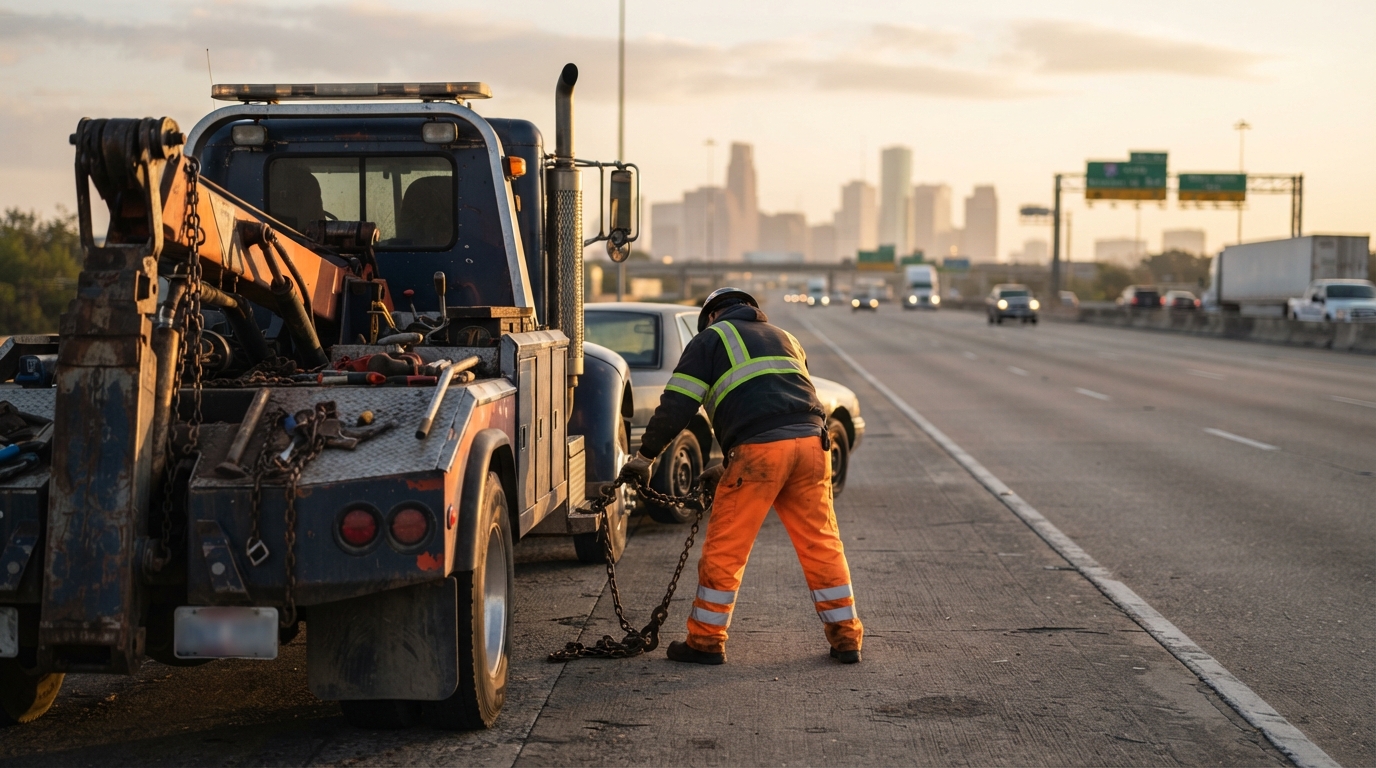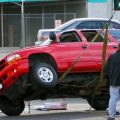
Fleet managers should look for a commercial towing partner with appropriate equipment, experience handling business vehicles, reliable availability, and clear communication. The right towing company
Phoenix, AZ can help fleet operators respond more efficiently when a truck or commercial vehicle becomes disabled and needs professional transportation.
For businesses that depend on multiple vehicles, unexpected downtime can affect schedules, deliveries, and daily operations. Establishing a relationship with a dependable towing provider before a problem occurs can make it easier to coordinate assistance when a vehicle needs to be moved.
Why Is a Commercial Towing Partner Important for Fleet Operations?
Fleet vehicles are often essential to completing deliveries, serving customers, transporting equipment, or keeping employees moving between locations. When one vehicle becomes unavailable, the resulting disruption can affect more than just the driver.
A commercial towing partner provides a known resource when a vehicle cannot safely continue operating. Instead of searching for a provider during an unexpected situation, fleet managers can already have contact information and basic procedures in place.
This preparation can make the response more organized and help fleet managers focus on managing the broader operational impact.
What Experience Should a Towing Company Have?
Fleet managers should consider whether a towing company has experience handling the types of vehicles used by their business. A provider that regularly works with commercial vehicles may be more familiar with the equipment and transportation considerations associated with larger vehicles.
Experience can be particularly relevant for fleets that include:
- Commercial trucks
- Delivery vehicles
- Work trucks
- Larger business vehicles
- Vehicles carrying equipment or materials
The appropriate towing approach depends on the vehicle, its condition, and the circumstances surrounding the transportation request.
Why Does Equipment Matter for Commercial Towing?
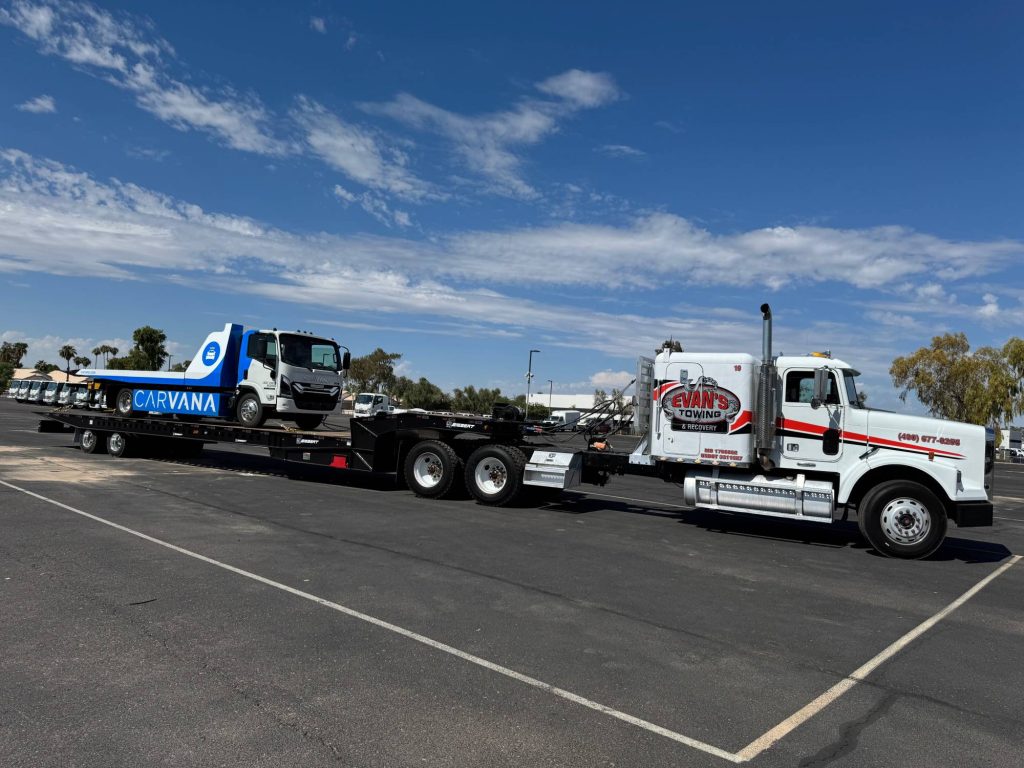
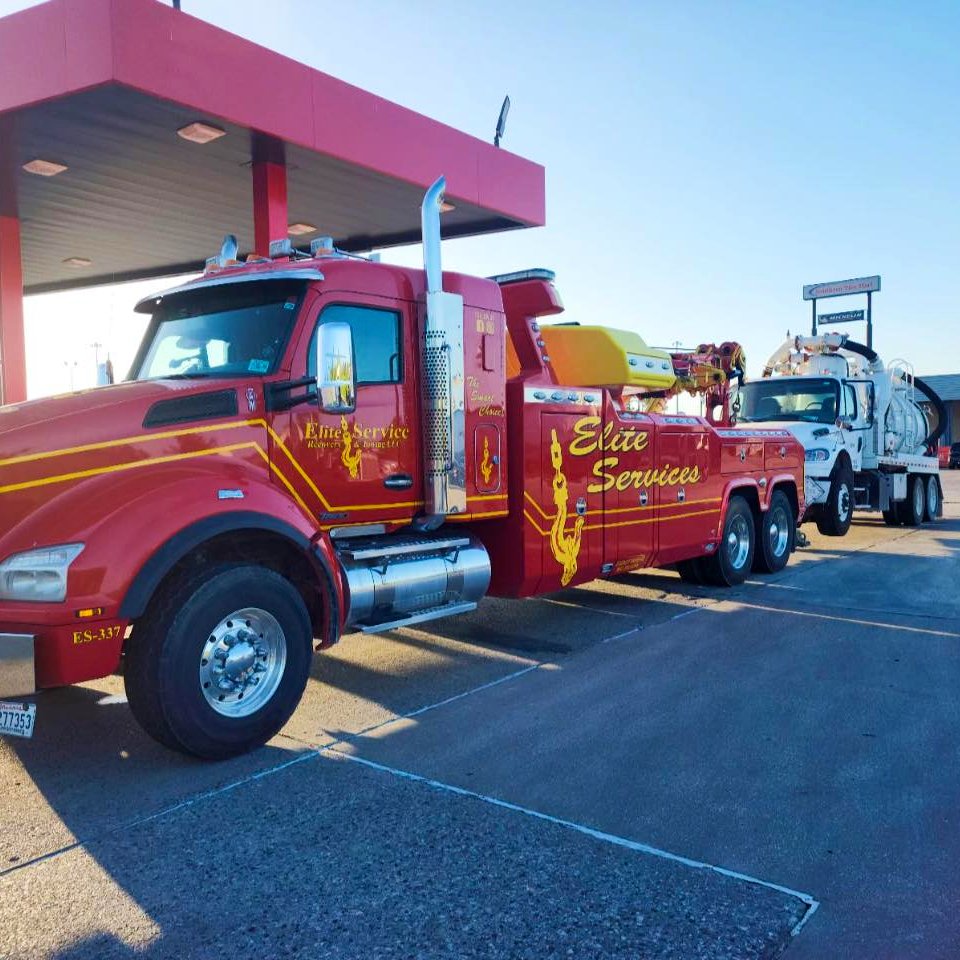
Commercial vehicles can vary considerably in size and weight. The equipment needed to move a large truck may differ from what is appropriate for a smaller vehicle.
Fleet managers should consider whether a provider has access to equipment suitable for their fleet. Proper equipment can help support safe vehicle handling and reduce the possibility of complications during transportation.
A reliable truck towing service should be prepared to assess the vehicle and determine what type of equipment is appropriate rather than applying the same method to every situation.
How Important Is Availability for Fleet Managers?
Vehicle problems can happen outside normal business hours. A fleet may operate early mornings, evenings, weekends, or around schedules that do not follow a traditional workday.
For this reason, availability should be an important consideration when evaluating commercial towing services. Fleet managers benefit from knowing how and when they can reach their towing provider when a vehicle becomes disabled.
Having established communication procedures can also help drivers know who to contact and what information to provide.
What Role Does Communication Play in Commercial Towing?
Clear communication can make a significant difference when coordinating the transportation of a disabled vehicle.
Fleet managers should look for a provider that can clearly communicate about:
- Vehicle location
- Vehicle type and condition
- Equipment requirements
- Transportation arrangements
- Destination information
Accurate information allows the towing provider to prepare for the situation and helps fleet managers understand what to expect.
How Can Fleet Managers Prepare Before a Vehicle Breaks Down?
Fleet managers do not have to wait for a vehicle problem to occur before developing a towing response plan. Preparing basic information in advance can make unexpected situations easier to manage.
A fleet emergency plan may include:
- Towing provider contact information
- Vehicle identification details
- Driver contact information
- Common operating locations
- Preferred repair facilities
- Internal procedures for reporting vehicle issues
Drivers should also know what information the towing provider will need when requesting assistance. This can help reduce unnecessary back-and-forth communication during a stressful situation.
What Should Phoenix Fleet Managers Consider?
Phoenix businesses operate across a large metropolitan area, and commercial vehicles may travel between different parts of the Valley throughout the day. Fleet managers should consider whether their towing provider can support the geographic area where their vehicles commonly operate.
They should also consider the types of vehicles in their fleet and whether the provider can accommodate those transportation needs.
Sun City Towing Inc. provides towing support for drivers and businesses in Phoenix and surrounding Arizona communities. Their team works with different vehicle types and provides transportation solutions based on the circumstances of each towing request.
Fleet managers can learn more about their towing company and available towing services in Phoenix, AZ.
How Can Businesses Build a Better Towing Response Plan?
A towing response plan should be simple enough for drivers and fleet managers to follow during an unexpected vehicle issue. It should identify who needs to be contacted, what information needs to be provided, and where the vehicle may need to be transported.
Businesses can periodically review the plan as their fleet changes. Adding new vehicles, changing operating locations, or updating preferred repair facilities may require adjustments to the information kept on file.
What Makes a Towing Partnership Practical for a Fleet?
A practical commercial towing relationship is based on preparation, communication, appropriate equipment, and familiarity with the fleet’s needs. These factors can help businesses respond more efficiently when a vehicle becomes disabled.
For Phoenix fleet managers, identifying towing resources before an unexpected problem occurs provides a clearer process for handling commercial vehicle downtime. A prepared approach can help businesses coordinate transportation while keeping their daily operations organized.