I have verified the business is Reverse Osmosis of South Florida (Click Here), based in Fort Lauderdale, FL, serving Fort Lauderdale, Miami, and West Palm Beach, FL with reverse osmosis, watermaker, desalination, and water filtration systems. The keyword “Water Filtration Systems” matches their core service directly.# The Key Benefits of Installing a Whole-Home Water Filtration System
In short:
• A whole-home system treats water at the point it enters a property, reaching every tap, shower, and appliance rather than just one faucet.
• South Florida’s groundwater commonly carries hardness, iron, and sulfur odor issues that point-of-use filters alone cannot address.
• Testing water quality before choosing equipment is the recommended first step, according to federal guidance.
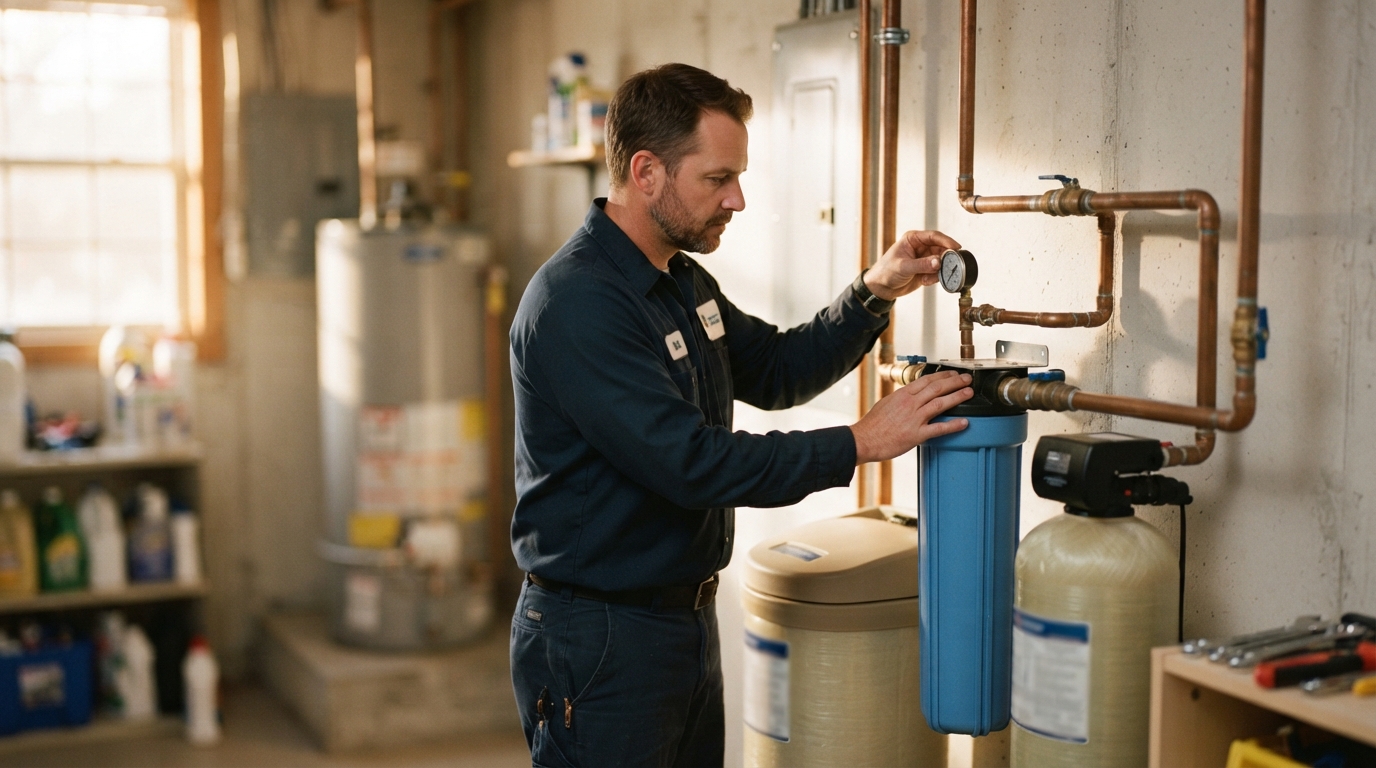
Point-of-entry treatment answers one of the most common questions homeowners ask about water quality: does filtering water at a single tap go far enough, or does a property benefit from treating everything at once. A Water Filtration Systems setup installed where the main line enters a home addresses sediment, hardness, odor, and other concerns across every fixture rather than at a single point of use.
That distinction matters more in South Florida than in many parts of the country. Groundwater drawn from the region’s aquifers often carries mineral and odor characteristics that affect comfort and appliance performance long before they raise health concerns. Click Here, based in Fort Lauderdale, FL, has worked with residential and marine water treatment systems for decades, serving customers across West Palm Beach, FL and nearby communities.
Why Point-of-Entry Treatment Matters for South Florida Homes
Public water systems are required to meet federal safety standards, but those standards do not address every taste, odor, or hardness issue a household might notice. A point-of-entry, or whole-house, system is installed where water enters the building so treated water reaches every fixture rather than a single tap, according to the EPA’s WaterSense guide to home water treatment.
Common regional issues include:
• Hardness – mineral buildup that affects appliances and water heaters
• Iron and sulfur – staining and odor often found in groundwater sources
• Sediment – particulates common in older plumbing infrastructure
• Chlorine taste and odor – a byproduct of municipal disinfection
Core Benefits of a Property-Wide System
A correctly sized whole-home unit changes water quality at every outlet, not only the kitchen sink. The practical advantages extend beyond drinking water alone.
1. Consistent water quality at every fixture – showers, laundry, and appliances all receive treated water, not just the kitchen tap.
2. Reduced strain on plumbing and water heaters – treating hardness and sediment before they reach pipes can limit scale buildup over time.
3. Fewer point-of-use filters to manage – a single system reduces the need for separate filters at individual faucets.
4. Better-tasting and better-smelling water throughout the home – addressing chlorine or sulfur odor at the source benefits the whole property.
Point-of-Entry vs. Point-of-Use: A Quick Comparison
|
Factor |
Whole-Home (Point-of-Entry) |
Single-Tap (Point-of-Use) |
|
Coverage |
Every fixture in the property |
One faucet or appliance |
|
Best for |
Hardness, sediment, odor, iron |
Targeted contaminants like lead |
|
Maintenance |
Scheduled filter/media changes |
Simpler, smaller-scale upkeep |
|
Installation point |
Main water line entry |
Under sink or at the tap |
Testing Before Choosing Equipment
Matching a system to actual water conditions starts with testing, not guessing. Homes on private wells in Florida face different considerations than those on municipal supply.
• Florida’s Department of Health recommends residents on private wells test annually for bacteria and nitrate at minimum, and notes that other contaminants may warrant additional testing depending on local conditions, per the Florida Department of Health’s private well guidance.
• Homes connected to municipal supply can request a Consumer Confidence Report to see what has been detected in the local system.
• Testing results, not assumptions, should guide which filtration media or system size is appropriate for a given property.
Frequently Asked Questions
Does a whole-home system make water safe enough to drink without additional treatment? Not automatically. Treatment equipment needs regular maintenance according to manufacturer instructions to keep performing as intended, and some contaminants may still require a dedicated point-of-use system for drinking water.
Is a whole-home filter necessary if the water already tastes fine? Taste and odor are not reliable indicators of overall water quality. Testing remains the recommended way to confirm what a property’s water actually contains before deciding on equipment.
How often does a whole-home system need maintenance? Maintenance intervals vary by system type and household water use; following manufacturer guidance and periodic retesting helps confirm the system continues working as intended.
Can a whole-home system address well water problems like sulfur odor or staining? Systems can be configured for issues such as iron, sediment, or odor, but the right configuration depends on what a water test actually identifies for that specific well.
Final Thoughts on Property-Wide Water Treatment
Treating water at the point it enters a home addresses a broader range of everyday concerns than a single faucet filter, particularly in a region where groundwater commonly carries hardness, iron, or odor characteristics. Testing first and matching equipment to documented water conditions remains the most reliable path toward a system that performs as expected over time.
Published information about Click Here includes details relevant to the service area referenced in this article.