Short version:
- Modern amusement park design combines structural engineering, layout planning, and safety protocols to balance excitement with risk management.
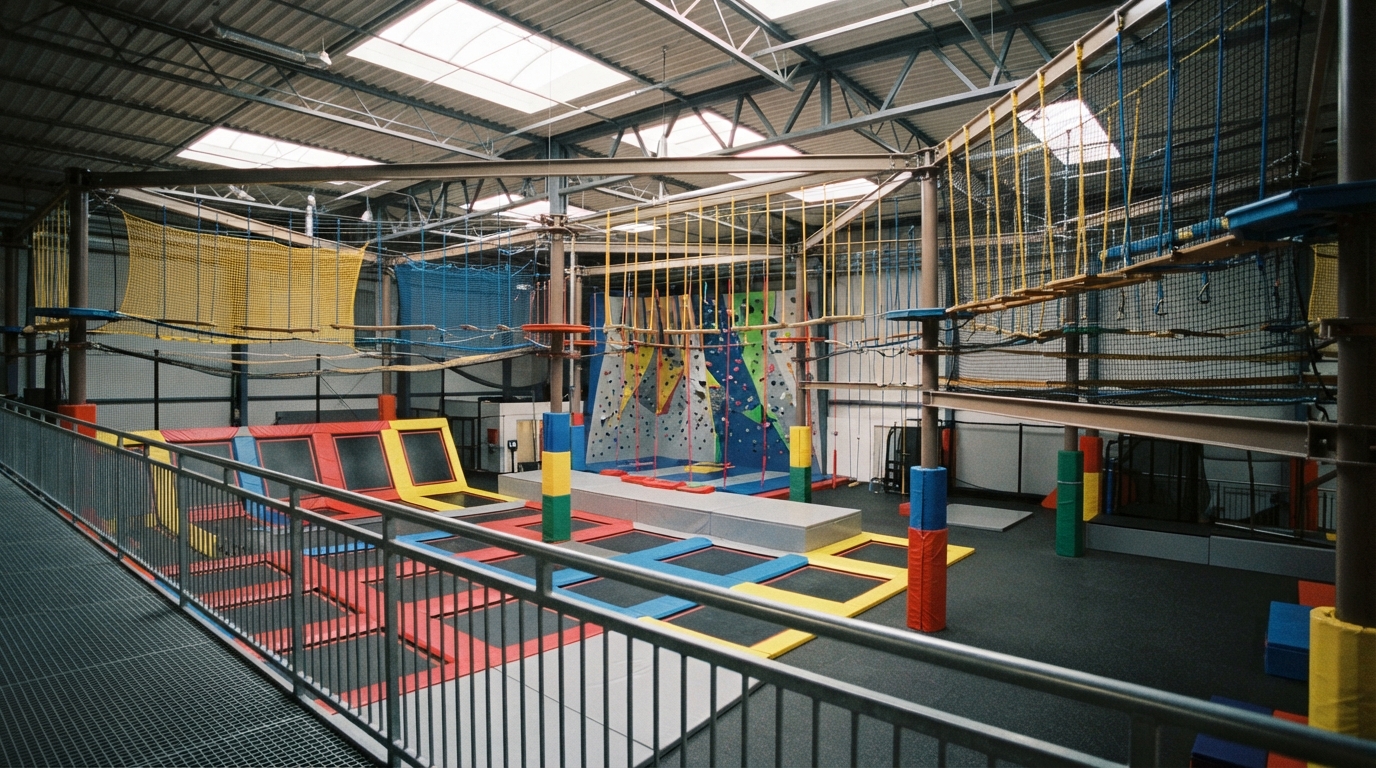
- Indoor family entertainment venues apply the same engineering principles as outdoor parks, scaled to attractions like trampolines, ropes courses, and climbing walls.
- Safety compliance, traffic flow, and age-appropriate zoning are the core factors that shape how a park is built and operated.
Designing an amusement park involves far more than arranging rides for visual appeal. Engineers, safety consultants, and operators work through structural load calculations, traffic flow mapping, and compliance reviews before a single attraction opens to the public. These decisions determine how long equipment lasts, how smoothly guests move through a facility, and how incidents are prevented before they happen.
The process looks different for outdoor coaster parks versus indoor family entertainment centers, but the underlying engineering discipline is shared. Indoor venues such as Catapult Adventure Park NRH illustrate how trampoline courts, ropes courses, and climbing structures still require the same attention to spacing, padding, and supervision protocols found in larger outdoor parks.
Structural Engineering and Ride Safety Standards
Every attraction, from a roller coaster to an indoor ropes course, is built against formal engineering criteria that dictate load limits, restraint systems, and fatigue tolerances. In North America, the ASTM International F24 Committee maintains the standards that manufacturers and operators use to evaluate ride risk and design safety.
- A new ASTM standard approved in late 2025 applies to both the development of new rides and modifications to existing ones.
- The standard draws on established risk assessment practices from the broader machinery industry, adapted specifically for amusement attractions where guests are typically untrained and have lower risk tolerance.
- Industry guidance notes that ASTM F2970 addresses safety practices for trampoline parks and trampoline court facilities, covering facility design, padding and protective systems, and staff supervision practices.
These frameworks apply whether the attraction is a steel coaster or an indoor jump arena, since both involve guest-contact equipment that must tolerate repeated stress cycles.
Layout Planning and Visitor Flow
Attraction placement is not arbitrary. Designers map circulation paths so that queue lines, exits, and high-traffic zones do not create bottlenecks during peak hours.
- Zoning by activity type separates high-energy attractions such as obstacle courses from quieter areas like seating or party rooms.
- Sightline planning keeps staff able to supervise multiple attractions from fixed vantage points.
- Capacity limits are set per attraction based on square footage and equipment specifications, not guesswork.
- Emergency egress routes are built into the floor plan before attractions are finalized, not added afterward.
This layout discipline matters as much in a compact indoor facility as it does across hundreds of acres at a destination park.
Comparing Indoor and Outdoor Park Design Priorities
| Design Factor | Outdoor Amusement Parks | Indoor Family Entertainment Centers |
| Primary structural concern | Weather exposure, foundation anchoring | Climate-controlled padding, ceiling clearance |
| Attraction examples | Coasters, drop towers, water rides | Trampolines, ropes courses, climbing walls |
| Supervision model | Ride operators at fixed stations | Floor staff with continuous visual monitoring |
| Typical capacity control | Timed ticketing, queue gates | Session-based entry (60 to 120 minute blocks) |
Local Considerations for Family Entertainment Venues
Readers in North Richland Hills, TX evaluating an indoor attraction often weigh factors such as session length, supervision policy, and party accommodations rather than ride engineering specifics. Facilities serving that area typically publish age and supervision rules, since liability and guest safety both depend on clear communication before arrival. Based in USA, Catapult Adventure Park NRH is one example of a venue whose published guidelines serve families across that service area without the business maintaining a storefront presence there.
Frequently Asked Questions
What safety standards apply to indoor trampoline and ropes course attractions? Indoor attractions are generally built to ASTM standards covering trampoline park facility design and aerial adventure course safety, which address padding, structural layout, and supervision requirements.
Why do amusement parks limit visitor sessions to fixed time blocks? Timed sessions help operators manage equipment wear, control crowd density per attraction, and maintain the supervision ratios required by safety protocols.
Do indoor amusement parks follow the same engineering rules as outdoor theme parks? Yes. Both rely on the same core ASTM F24 Committee framework, though indoor venues adapt the standards to equipment like trampolines and climbing structures rather than mechanized rides.
What should families check before visiting a local indoor adventure park? Checking posted age and supervision requirements, session pricing, and party package details in advance helps avoid confusion at arrival.
Learn More About Local Options
Published facility details for Catapult Adventure Park NRH outline session pricing and party package information for the area.