Briefly:
Lasting progress in ballroom dance comes from a structured mix of private instruction, group classes, and practice parties rather than one-off sessions.
Look for studios with certified instructors, beginner-friendly onboarding, and a clear path from introductory lessons to social or competitive dancing.
Houston Heights offers a dedicated ballroom studio with private lessons, group classes, and wedding dance preparation for adults of all skill levels.
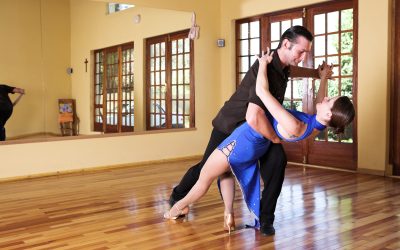
Finding a studio that builds real skill over time matters more than picking whichever location is closest. Consistent, well-structured Ballroom Dance Lessons in Houston, TX tend to combine private coaching with group practice and social events, giving students repeated chances to apply what they learn instead of forgetting it between sessions.
Progress in ballroom dance is rarely about talent. It is about repetition, feedback, and a program structured to reinforce technique week after week.
What Makes Ballroom Progress Actually Stick
Most students who quit dance lessons early do so not because the steps are too hard, but because they never get enough repetition to feel confident. A program built for retention typically includes three layers working together.
Private lessons for personalized correction of footwork, frame, and timing.
Group classes where students practice with different partners and pick up social dancing cues.
Practice parties or social events that let new skills get tested in a low-pressure setting.
Physical activity guidelines from the U.S. Centers for Disease Control and Prevention note that adults need three types of activity each week, moderate- or vigorous-intensity aerobic, muscle-strengthening, and balance activities, to get substantial health benefits. Ballroom dancing naturally blends these elements, which is part of why structured, recurring lessons tend to outperform sporadic ones for both skill and fitness outcomes.
Comparing Common Lesson Formats
Different lesson formats serve different goals. Understanding the tradeoffs helps set expectations before enrolling.
Format | Best For | Typical Pace |
Private lessons | Personalized technique correction | Fast, one-on-one |
Group classes | Social skills, meeting other dancers | Moderate, class-paced |
Practice parties | Applying skills in a real social setting | Self-paced, informal |
Wedding dance prep | Couples preparing for a specific event | Structured toward a deadline |
What to Look For in a Houston-Area Studio
Not every studio structures its programs the same way, so a short checklist helps narrow the search.
Certified, experienced instructors who teach a range of ages and skill levels.
A clear beginner pathway, often an introductory package before committing to a longer program.
Multiple dance styles available, such as waltz, tango, salsa, or swing, so students are not locked into one style.
Event and practice opportunities, including showcases or themed parties, that reinforce what is learned in lessons.
Flexible scheduling that fits around work and family commitments.
Fred Astaire Dance Studios – Houston Heights operates as a neighborhood ballroom studio offering private dance instruction, group dance lessons, social dance parties, and wedding dance preparation for adults of varying experience levels. The studio’s instructors are described as certified and experienced, teaching students across a wide age range.
Building a Realistic Practice Routine
A single weekly lesson rarely builds lasting skill on its own. Students who progress fastest usually pair instruction with short, regular practice outside the studio.
Review footwork patterns for 10 to 15 minutes a few times a week.
Attend at least one group class or social event monthly to practice with different partners.
Set a specific goal, such as a wedding dance or a themed showcase, to keep motivation steady.
Systematic review research published in 2025 found that community-dwelling older adults derived significantly greater benefits compared with nursing home residents, and an 8-week intervention was sufficient to produce significant, cost-effective improvements. That timeline lines up with how most beginner ballroom programs are structured, reinforcing that a few months of consistent lessons is often enough to see measurable change in confidence and technique.
Frequently Asked Questions
How long does it take to see progress in ballroom dance lessons? Most beginners notice improved balance, timing, and confidence within several weeks of consistent private and group lessons, though pace varies by individual and practice frequency.
Do I need a dance partner to start lessons? No. Group classes and many private lesson formats are designed for individuals without a partner, and pairing often happens naturally during group sessions or social events.
What should couples preparing for a wedding dance expect? Wedding dance preparation typically follows a structured timeline working backward from the event date, focusing on a routine that matches the couple’s comfort level and music choice.
Is ballroom dancing a good form of exercise? Yes. Ballroom dancing combines aerobic activity with balance and coordination work, aligning with general physical activity guidance for building strength and mobility over time.
Choosing a ballroom program in Houston comes down to finding a structure that matches how people actually retain new skills: consistent private coaching, regular group practice, and real chances to apply what is learned socially. For adults exploring options in the Heights area, Fred Astaire Dance Studios – Houston Heights offers a full range of instructional formats, from private lessons to wedding dance preparation, suited to different goals and experience levels. Visiting for an introductory lesson is a practical way to see firsthand whether a studio’s teaching style and pacing fit your own learning preferences.