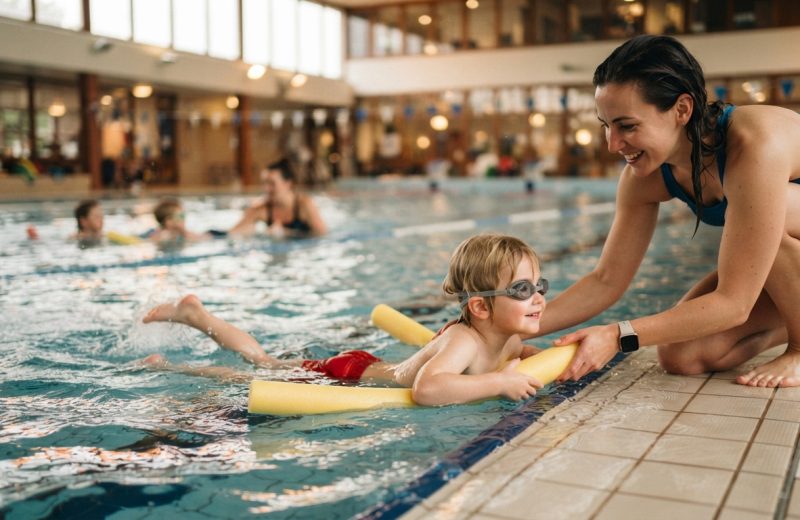
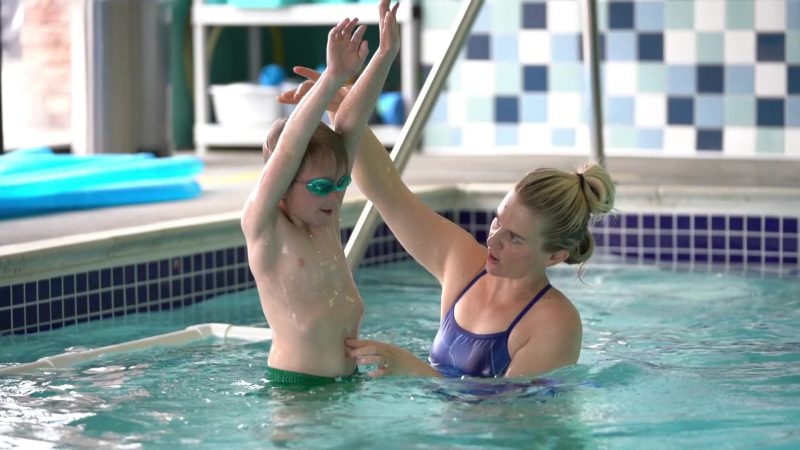
Learning to swim is about much more than crossing a pool. Strong instruction helps children and adults become more comfortable in the water, understand how to stay safe, and develop skills they can use throughout life. If you are comparing options online, swimming lessons in Plano can help you find instruction that supports both water safety and steady progress.
Why Water Safety Comes First
Even confident swimmers need to understand the risks of being in and around water. Lessons can teach practical habits such as entering and exiting carefully, following pool rules, recognizing when someone needs help, and staying within designated swimming areas. These routines give learners a foundation for making safer choices.
Water safety also involves knowing personal limits. A swimmer may be comfortable in a shallow pool but not ready for deep water, open water, or changing conditions. Good instruction helps learners build awareness without creating a false sense of security. Swimming ability is valuable, but it does not replace adult supervision, life jackets when appropriate, or other safety precautions.
For families, consistent messages matter. Reinforce lesson skills at home by talking about rules before visiting a pool or beach. Children should know that they need permission before entering the water and that they should never swim alone. Adults can model these behaviors, too, helping safety become part of every water-related outing.
How Lessons Build Skills Step by Step
A well-organized program introduces skills in a sensible order, adapting to each swimmer’s age, comfort, and ability. Beginners may start by practicing how to get comfortable with water on the face, float with support, and return to a standing position. These early successes build confidence and prepare learners for more challenging movements.
As comfort improves, swimmers can work on breathing, kicking, body position, and coordinated arm movements. Instructors often break a complex stroke into smaller parts, giving learners time to understand and practice each motion. Over time, those separate actions become a smoother, more efficient stroke.
Progress should be measured by skills, not just by how many lessons someone has attended. A swimmer may need extra time to master floating or controlled breathing before moving on. That is normal. Rushing can increase anxiety or encourage habits that are difficult to correct later. Patient practice, clear feedback, and achievable goals help learners improve at a sustainable pace.
Choosing the Right Class
Before enrolling, consider the swimmer’s experience, age, comfort level, and goals. A beginner who is nervous around water may benefit from a different setting than a child who already swims independently and wants to refine technique. Adults who are learning for the first time may also appreciate instruction tailored to their pace and priorities.
Ask how swimmers are grouped, what skills are covered, and how progress is communicated. Class size is worth considering because it can affect how much individual attention each learner receives. Also find out how instructors handle fear or frustration. A supportive approach should encourage effort without pressuring someone to attempt a skill before they are ready.
If possible, observe a lesson or ask about the teaching environment. Look for clear organization, respectful communication, and safety practices that are easy to understand. The setting should be appropriate for the swimmer’s needs, with rules explained before practice begins. A good fit can make lessons more enjoyable and help learners stay engaged.
Helping Skills Continue Outside Class
Regular attendance helps swimmers retain what they learn, but short, focused practice can reinforce progress as well. When a qualified adult is present and the setting is appropriate, swimmers can revisit familiar skills, such as floating or kicking. Avoid turning practice into a test; encouragement and calm repetition are more productive than pressure.
Celebrate effort as well as milestones. Trying a new skill, recovering from a moment of uncertainty, or following a safety rule are all meaningful signs of progress. If a learner becomes frustrated, take a break and return to the skill another time. Confidence grows when swimmers feel supported and understand that improvement takes practice.
Keep expectations realistic, too. A few lessons cannot prepare someone for every water condition, and strong pool skills do not automatically translate to lakes or oceans. Continue supervising children closely, follow posted rules, and use appropriate safety equipment. Lessons are one important part of a broader approach to water safety.
Building Confidence for a Lifetime
Effective swim instruction combines safety awareness, technique, and confidence. Learners benefit when lessons match their current abilities, progress at a steady pace, and make room for questions and practice. Families can support that learning by reinforcing safe habits and celebrating gradual improvement.
With consistent guidance and realistic expectations, swimmers can develop skills that make time in the water more comfortable and enjoyable. The strongest foundation is not simply knowing how to move through a pool; it is understanding how to make safer choices, recognize personal limits, and keep learning over time.