Quick take:
- A professional roof repair service typically moves through four stages: inspection, diagnosis, written estimate, and repair completion with documentation.
- Florida homeowners often need repair records for insurance purposes, particularly once a roof passes the 15-year mark.
- Material type, damage extent, and weather exposure in Vero Beach, FL influence repair timelines and scope.
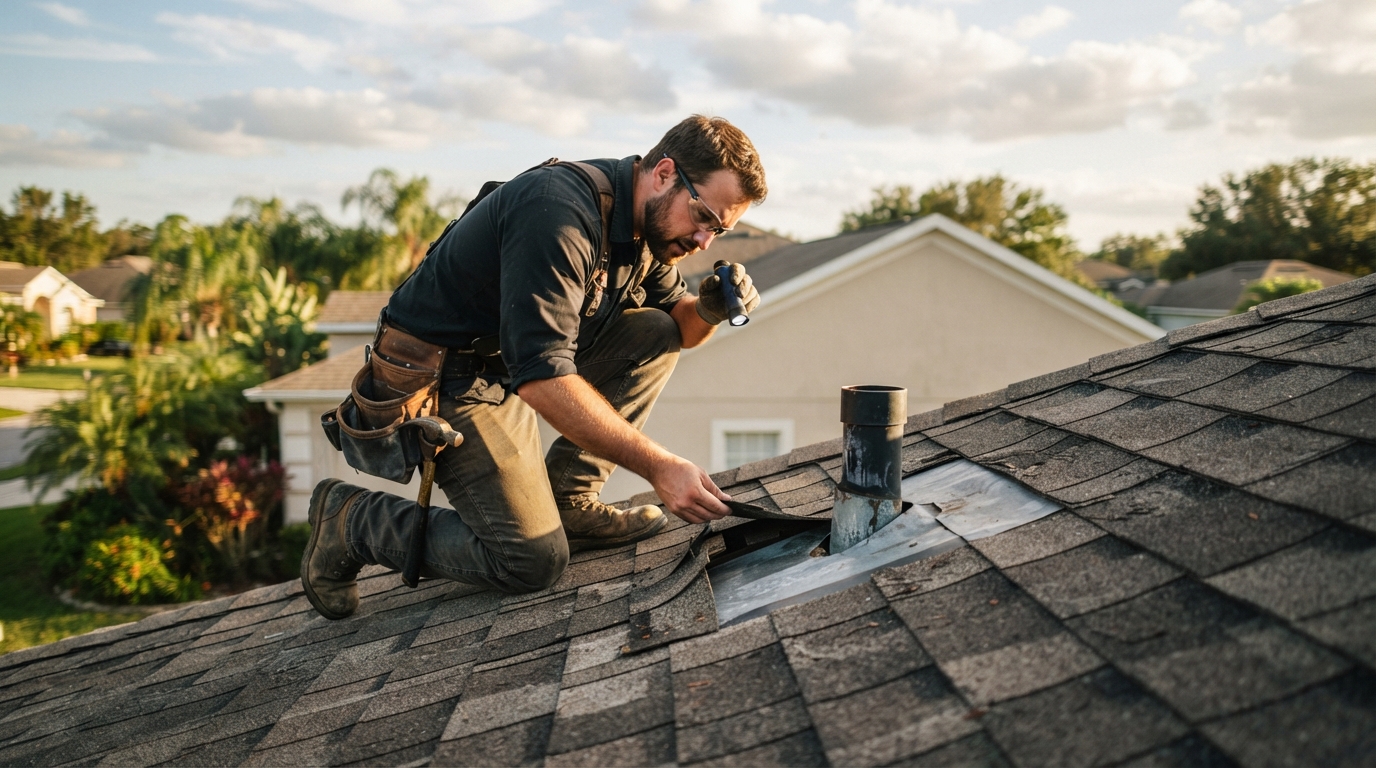
A roof repair service generally follows a structured sequence: an on-site inspection to identify damage, a diagnosis of the root cause, a written repair estimate, and finally the physical repair work with follow-up documentation. Understanding each stage helps homeowners set realistic expectations and verify that contracted work meets accepted industry standards.
For residents evaluating a Roof Repair Service, knowing what happens at each phase makes it easier to compare contractor estimates and confirm that nothing in the scope of work has been skipped. The process is largely consistent across Florida, though specific steps can vary based on roof type, material, and the extent of visible or hidden damage.
Initial Inspection and Damage Assessment
The first step in any repair process is a visual and, when needed, physical inspection of the roofing system. Inspectors typically check for:
- Missing, cracked, or curling shingles or tiles
- Deteriorated flashing around chimneys, vents, and skylights
- Signs of water intrusion in the attic, such as staining or mold
- Granule loss, blistering, or soft spots on the roof deck
This stage often includes interior checks as well, since attic condensation or water stains can reveal problems not visible from the ground. Homeowners in Vero Beach, FL dealing with storm-related wear may want inspections scheduled soon after a weather event, since documenting conditions promptly supports any later insurance discussion.
Diagnosis and Written Estimate
After the inspection, a qualified contractor identifies the underlying cause of the damage rather than just the visible symptom. A leak near a chimney, for example, may trace back to failed flashing rather than the shingles themselves.
The estimate that follows should itemize:
- Materials required for the repair
- Labor scope and expected timeline
- Any code or permit requirements tied to the work
- Whether the repair is isolated or signals a broader replacement need
Florida law gives homeowners specific protections tied to roof age during insurance renewal decisions. Under the Florida Statutes governing homeowners’ policies, insurers cannot decline or refuse to renew a policy solely because a roof is under 15 years old, and older roofs may qualify for continued coverage with a certified inspection showing adequate remaining useful life.
Repair Execution and Quality Checks
Once a homeowner approves the estimate, the physical repair begins. Steps generally include removing damaged materials, replacing underlayment or decking where compromised, installing new shingles, tiles, or metal panels, and resealing flashing points.
| Repair Stage | Typical Focus | Why It Matters |
| Removal | Stripping damaged materials | Prevents trapping moisture under new layers |
| Structural check | Decking and underlayment condition | Confirms a sound base before resurfacing |
| Material installation | Shingles, tiles, or metal panels | Matches existing roof system and local code |
| Final inspection | Flashing, seals, and cleanup | Confirms the repair meets workmanship standards |
A final walk-through should confirm that flashing is properly sealed, debris is cleared from gutters, and the repaired area matches the surrounding roofing material. Reputable contractors provide photo documentation of completed work, which is useful for future insurance reference.
Post-Repair Documentation and Maintenance
Keeping records of every repair, including dates, materials used, and contractor details, builds a maintenance history that supports warranty claims and insurance reviews. This is particularly relevant in Vero Beach, FL, where roofs face sustained sun exposure, humidity, and seasonal storm activity that can accelerate wear.
Homeowners should request:
- A written summary of the repair performed
- Photos of the affected area before and after the work
- Any warranty information tied to materials or labor
- A copy of permits if the repair required one
This documentation becomes part of the roof’s service record, which many insurers review when determining renewal terms or evaluating future claims.
Frequently Asked Questions
How long does a typical roof repair take to complete? Minor repairs such as flashing resealing or isolated shingle replacement can often be completed in a single day, while more extensive damage involving decking replacement may take longer depending on material availability and weather conditions.
Is a permit always required for roof repairs? Permit requirements depend on the scope of work and local building codes; minor cosmetic repairs may not require one, while structural repairs typically do.
What signs indicate a roof needs repair rather than replacement? Isolated leaks, a small number of damaged shingles, or minor flashing failures often point to a repair, while widespread granule loss, sagging, or a roof nearing or past 15 to 20 years in age may indicate replacement is the more practical option.
Should repairs be documented for insurance purposes? Yes, keeping dated records and photos of completed repairs supports maintenance history that insurers may request during policy renewal or claims review.
Business Information and Next Steps
DEPENDABLE ROOFING, INC. serves customers across Vero Beach, FL.
Current service area details and availability for Connect With DEPENDABLE ROOFING are published for homeowners reviewing repair options.