Bottom line:
• A professional lawn care program combines fertilization, weed control, aeration, and mowing on a seasonal schedule suited to local turf and climate.
• Twin Cities lawns benefit from timed fall fertilization and aeration, since cool-season grass responds best to treatments scheduled around late summer and early fall.
• Choosing a provider with documented residential and commercial experience helps ensure consistent results across an entire growing season.
A reliable lawn care service combines fertilization, weed control, aeration, and routine mowing into one coordinated plan rather than treating each task separately. This approach keeps turf consistently healthy because the timing of each service affects how well the others perform.
Homeowners looking for a dependable lawn care service from Green Stuff Lawn often want to address common problems such as thinning grass, persistent weeds, or a lawn that lacks the fullness of neighboring properties. Choosing the right treatments at the appropriate time of year can make a significant difference in lawn health and appearance. With a seasonal approach to lawn maintenance, homeowners can address specific turf problems, encourage healthier grass growth, and work toward a thicker, greener lawn throughout the growing season.
What a Full-Service Lawn Care Program Typically Includes
A well-rounded lawn care plan addresses the soil, the grass, and the surrounding pests that compete for space. Most established programs in this region combine the following core services:
• Fertilization timed to the growing season
• Weed and crabgrass control
• Core aeration and dethatching
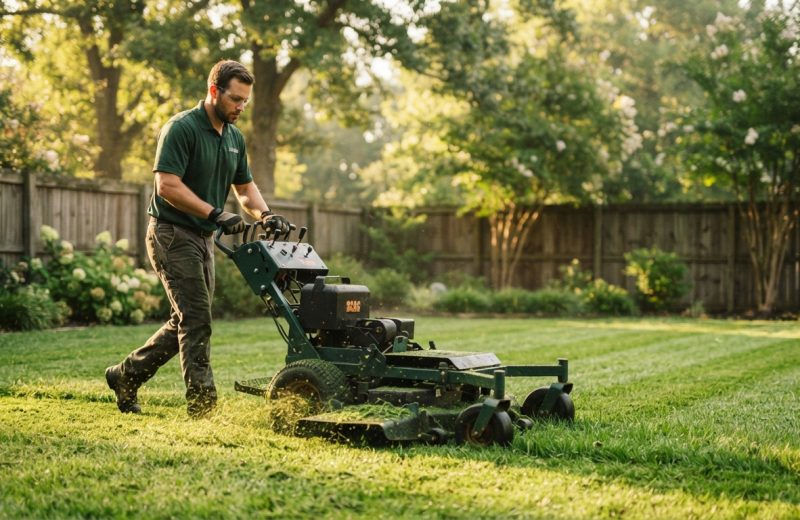
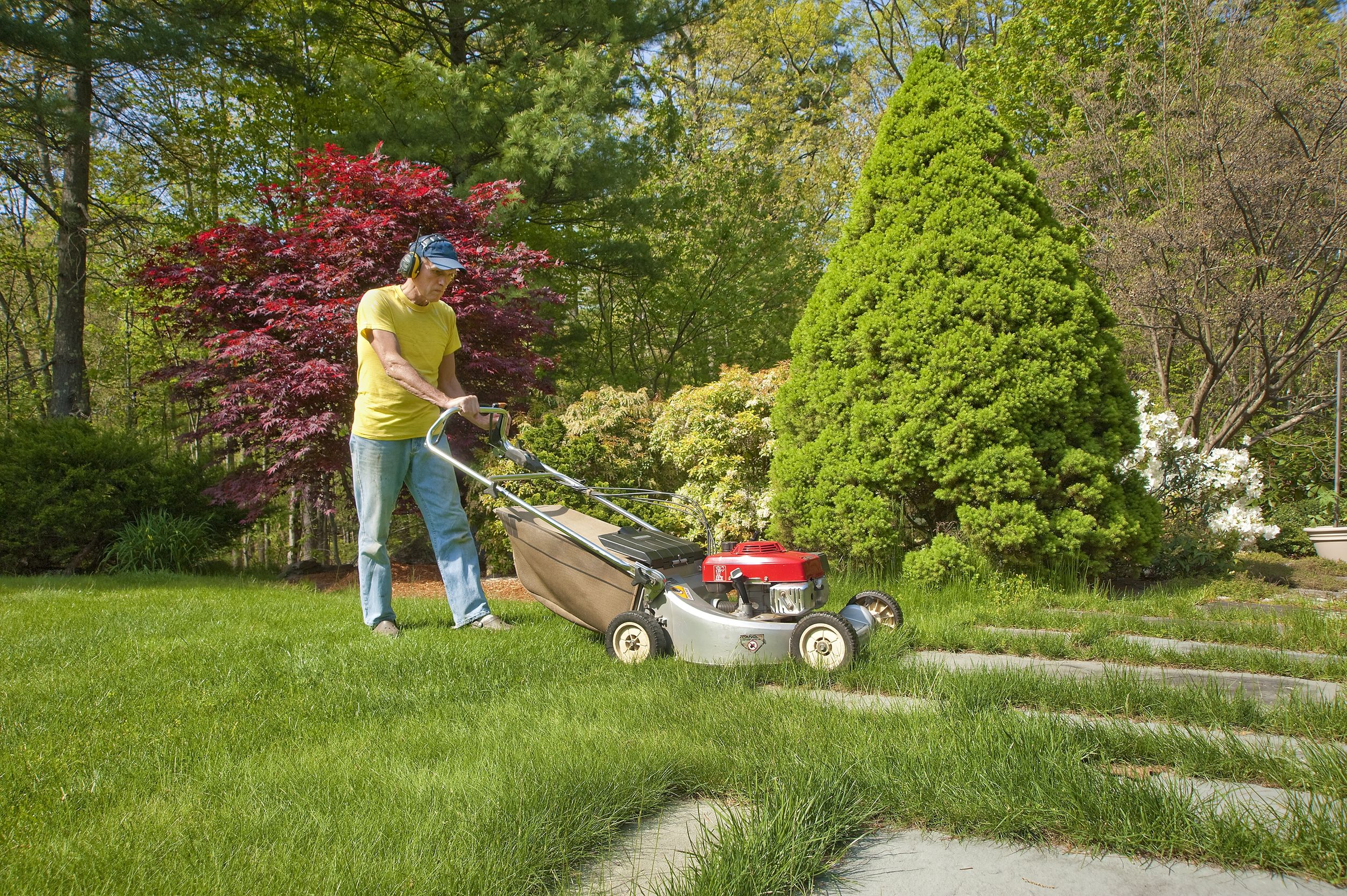
• Routine mowing
• Seasonal mosquito and pest control
Each service plays a distinct role. Fertilization feeds the turf, aeration relieves soil compaction so roots can absorb nutrients, and weed control keeps invasive growth from crowding out healthy grass.
Why Timing Matters More Than Most Homeowners Realize
Cool-season lawns common throughout Minnesota respond differently depending on when treatments are applied. According to University of Minnesota Extension, dethatching and aerating should be scheduled when soil has been pre-watered and loosened, ideally between mid-August and the end of September, and fall fertilization should deliver roughly two-thirds of the lawn’s annual nitrogen in early September. Applying these treatments outside that window can reduce their effectiveness significantly.
This is one reason a scheduled program outperforms one-off treatments. A provider familiar with regional growing conditions can sequence aeration, fertilization, and overseeding so each step supports the next rather than working against it.
Comparing Common Lawn Care Approaches
Homeowners generally choose between three levels of lawn care involvement. The table below outlines the practical tradeoffs of each.
|
Approach |
Typical Scope |
Best Suited For |
|
DIY treatments |
Store-bought fertilizer and spot weed spray |
Small yards, flexible schedules |
|
One-time service calls |
Single aeration or fertilization visit |
Minor issues, occasional upkeep |
|
Seasonal maintenance program |
Coordinated mowing, fertilizing, aeration, and pest control |
Consistent results across spring through fall |
A seasonal program tends to produce more even results because treatments are timed together rather than scheduled reactively after problems appear.
Residential Versus Commercial Lawn Needs
Lawn care needs differ depending on property type, and a provider that understands both can adjust scope accordingly.
Residential properties typically need:
1. Routine mowing and edging
2. Fertilization and weed control cycles
3. Aeration and dethatching once or twice yearly
4. Organic treatment options for households avoiding synthetic chemicals
Commercial properties often require broader coordination, including:
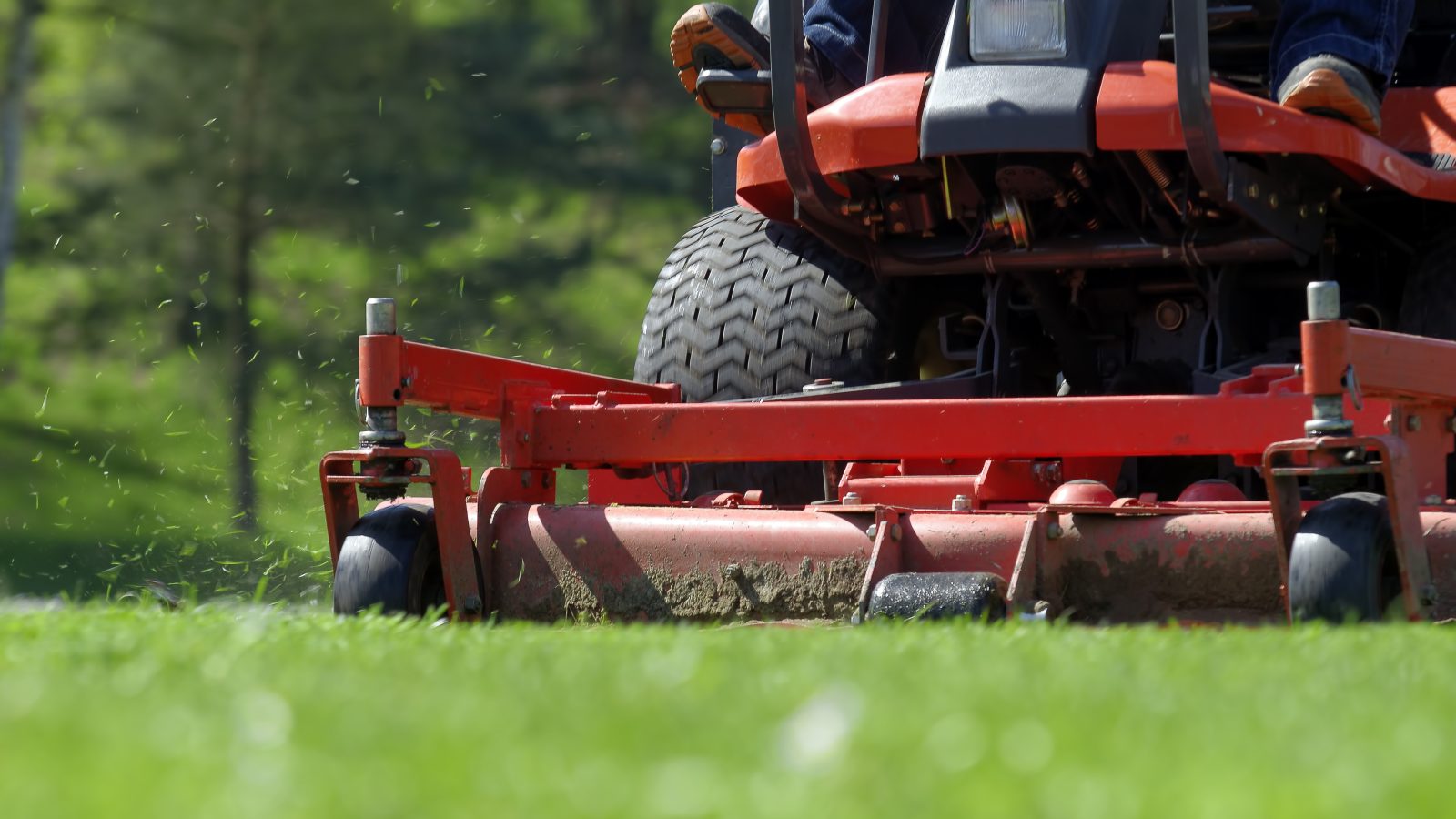
• Mowing and maintenance across larger or multiple parcels
• Crabgrass and weed prevention at scale
• Mosquito control for outdoor areas used by staff or customers
Matching the service plan to the property type helps avoid paying for treatments that do not match the actual turf conditions on site.
Frequently Asked Questions
How often should fertilization and weed control be scheduled? Lawn treatment cycles are generally recommended every four to six weeks during the active growing season to maintain consistent turf health and appearance.
Is aeration necessary every year? Aeration needs depend on soil compaction and lawn usage, but many cool-season lawns benefit from an annual fall aeration paired with fertilization for stronger root development.
Can lawn care be done without synthetic chemicals? Organic lawn care options exist for households that prefer to avoid synthetic treatments while still addressing fertilization and weed pressure.
What is the difference between residential and commercial lawn service? Residential service generally focuses on a single property’s mowing and treatment cycle, while commercial service often involves larger areas, multiple access points, and added considerations like pest control for public-facing spaces.
Moving Forward With a Lawn Care Plan
A healthy lawn rarely comes from a single treatment. It comes from a sequence of seasonal steps, fertilization, aeration, weed control, and consistent mowing, applied at the right time for the local climate and grass type.
Green Stuff Lawn provides residential and commercial lawn treatment, mowing, and seasonal maintenance services designed around regional turf conditions and grass types common to the area. Homeowners and property managers weighing their options can Discover Green Stuff Lawn to review service details, read customer feedback, and determine whether a seasonal maintenance program fits their property’s needs. Taking the time to compare service scope and scheduling now can make the difference in how a lawn looks by the next growing season.