Snapshot:
• Unusual noises, temperature swings, or error codes on commercial cooking and refrigeration equipment typically signal a problem that needs professional attention before it causes downtime or food safety violations.
• Commercial-grade equipment must meet NSF or UL commercial standards, and delayed repairs can put a kitchen out of compliance with health department rules.
• Factory-trained technicians can often diagnose and resolve equipment failures faster than general maintenance staff, reducing the risk of extended closures.
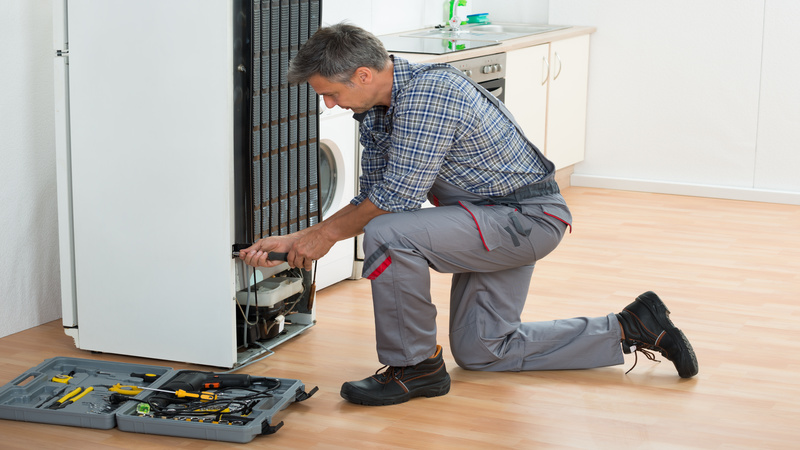
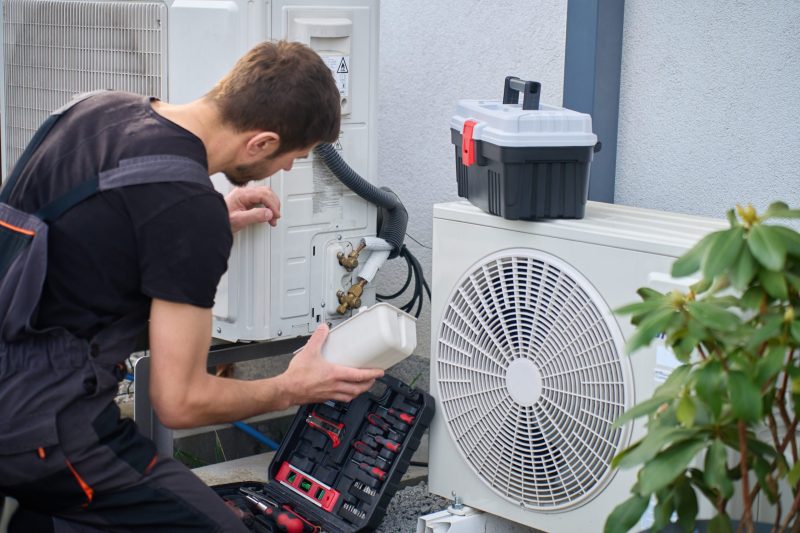
Commercial kitchen equipment rarely fails without warning. Recognizing the early indicators of a breakdown can mean the difference between a quick repair and a shut-down fryer, walk-in cooler, or dish machine during peak service hours. Scheduling Commercial Appliance Repair at the first sign of trouble helps kitchens in Alamosa, CO avoid costlier failures and extended downtime.
Most equipment problems start small: a slightly longer heat-up time, a faint rattle, or a thermostat that reads a few degrees off. Left unaddressed, these minor symptoms tend to escalate into full equipment failure, inconsistent food temperatures, or safety hazards that can affect an entire shift.
Warning Signs That Point to Equipment Trouble
Commercial equipment problems usually show measurable or observable changes before a complete breakdown occurs. Kitchen managers who know what to watch for can intervene before a minor issue becomes a closure.
• Inconsistent temperatures in refrigeration or cooking units, including units that cycle on and off more frequently than usual.
• Unusual sounds , such as grinding, buzzing, or clicking from compressors, motors, or fans.
• Visible leaks of water, refrigerant, or gas near ovens, ice machines, or walk-in units.
• Error codes or flashing lights on digital control panels that do not clear after a reset.
• Slower performance , such as fryers taking longer to reach temperature or dishwashers failing to sanitize properly.
Any one of these signs on its own may not seem urgent, but equipment issues rarely resolve without intervention. Ignoring them typically shortens the lifespan of the unit and increases the eventual repair cost.
Why Equipment Standards Matter for Compliance
Commercial kitchens are held to stricter equipment standards than residential ones, and those standards affect what counts as an acceptable repair versus a code violation. Local health regulations in Alamosa, CO require that equipment used in retail food establishments be commercial design meeting NSF or UL standards, and domestic equipment is not permitted except in limited circumstances.
This distinction matters during inspections and after a breakdown. A unit repaired with non-commercial parts, or one that no longer holds proper temperature, can trigger a failed inspection even if the kitchen otherwise looks operational.
| Situation | Risk if Delayed | Typical Resolution |
| Refrigeration temperature drift | Food spoilage, health code violation | Thermostat or compressor diagnostic repair |
| Oven or range heating inconsistently | Uneven cooking, safety risk | Igniter, thermocouple, or control board service |
| Ice machine or dishwasher leaks | Water damage, sanitation failure | Seal, valve, or line replacement |
| Walk-in cooler compressor noise | Full system failure, spoiled inventory | Compressor or fan motor repair |
Choosing a Qualified Repair Provider
Not every appliance technician is equipped to work on commercial-grade cooking and refrigeration systems, which often require specialized parts and manufacturer-specific knowledge. Factory-trained and CFESA-certified technicians are generally better positioned to diagnose complex equipment accurately on the first visit.
When evaluating a repair provider, kitchen operators should consider:
1. Whether the technician is trained on the specific equipment brand in use.
2. Access to OEM parts inventory to avoid extended downtime waiting on shipments.
3. Experience servicing restaurant-grade cooking, refrigeration, and ventilation equipment.
4. Availability for urgent repairs when equipment fails during service hours.
Based in Englewood, CO, Hawkins Commercial Appliance Service extends its commercial equipment repair work to businesses operating in Alamosa, CO. The company’s technicians are factory-trained and CFESA-certified, and the business maintains an OEM parts inventory to support repairs on cooking and refrigeration equipment.
Frequently Asked Questions
How quickly should a commercial appliance be repaired after a problem is noticed? Repairs should generally be scheduled as soon as a symptom appears, since minor issues such as temperature drift or unusual noise often indicate a component failure that will worsen without attention.
Can domestic appliances be used in a commercial kitchen as a temporary fix? Generally, no. Local regulations require commercial-grade equipment meeting NSF or UL standards, and domestic units are not permitted except in very limited circumstances.
What happens if refrigeration equipment fails during business hours? Refrigeration failures risk food spoilage and potential health code violations, so most operators treat these as urgent repairs requiring prompt diagnostic service.
Is it better to repair or replace aging commercial equipment? The decision typically depends on the age of the unit, the cost of parts, and how frequently repairs have been needed, which a qualified technician can assess during a service visit.
Final Considerations
Recognizing early warning signs and understanding local equipment standards can help commercial kitchens avoid unplanned downtime and compliance issues. Current availability details for Hawkins Commercial Appliance Service are published for the service area covering Alamosa, CO.