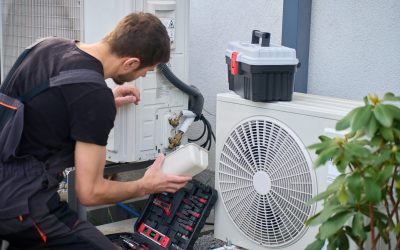
Maintaining a comfortable and energy-efficient environment is crucial for any business, especially when dealing with the unpredictable climate of Oklahoma. Proper care of commercial HVAC systems ensures not only consistent indoor comfort but also long-term cost savings and smooth business operations. For those searching for expert advice on Commercial Heating and Cooling in Oklahoma, understanding routine maintenance practices is essential to maximize efficiency and minimize downtime.
The Importance of Regular HVAC Maintenance
Commercial heating and cooling systems are complex networks that require routine attention. Neglecting maintenance can lead to decreased performance, higher utility bills, and unexpected breakdowns. Regular upkeep helps prolong equipment life, improves air quality, and ensures compliance with safety standards. A proactive approach also reduces the likelihood of costly emergency repairs, keeping your business running without interruption.
Key Maintenance Tips for Optimal Performance
1. Schedule Seasonal Inspections
Routine inspections at the onset of spring and fall prepare your system for the demands of extreme temperatures. During these visits, HVAC professionals can spot worn components, clean essential parts, and identify potential issues before they become major problems. Early detection of faults saves money and prevents inconvenient breakdowns during peak usage.
2. Replace Air Filters Regularly
Dirty or clogged air filters restrict airflow, forcing your system to work harder and consume more energy. Replace filters every one to three months, depending on usage and the specific needs of your facility. Clean filters not only enhance air quality but also contribute to more efficient system operation.
3. Clean Coils and Condenser Units
Dust and debris can accumulate on the coils and condenser units, reducing their ability to transfer heat efficiently. Regularly cleaning these components helps maintain optimal performance and prevents overheating. This straightforward step can have a significant impact on energy consumption and the overall lifespan of your system.
4. Check Thermostat Settings and Controls
Ensure that thermostats and control systems are calibrated correctly and functioning as intended. Programmable thermostats can help manage energy use during non-business hours, while faulty controls can cause inconsistent temperatures and wasted energy. Regularly reviewing these settings keeps your system operating smoothly and efficiently.
5. Inspect Ductwork for Leaks and Blockages
Leaky or obstructed ducts can cause conditioned air to escape, leading to uneven temperatures and increased energy costs. Periodically inspect ductwork for signs of leaks, holes, or obstructions. Sealing and insulating ducts not only enhances comfort but also lowers operating expenses.
Tips for Long-Term System Health
• Keep the area around equipment clear: Ensure there is adequate space around HVAC units to allow for proper airflow and easy access during maintenance.
• Monitor energy consumption: Unexplained spikes in utility bills can indicate system inefficiencies or potential malfunctions.
• Schedule professional maintenance: Annual or biannual professional service visits are essential for thorough inspections and tune-ups.
Proper maintenance of your commercial heating and cooling system is key to ensuring reliable performance, energy efficiency, and cost savings. By following these essential tips—scheduling regular inspections, replacing air filters, cleaning components, checking controls, and inspecting ductwork—you can help your system withstand the unique challenges of Oklahoma’s climate. Proactive care not only prevents unexpected breakdowns but also promotes a comfortable and productive work environment year-round.