Snapshot:
• Routine swimming pool services combine water testing, filtration checks, and equipment upkeep to control bacteria and algae growth.
• Pool inspections catch plumbing leaks, cracked surfaces, and worn equipment before they affect water quality or safety.
• Consistent maintenance schedules matter most in Roseville, CA, where heat and heavy pool use accelerate chemical demand.
Clean, safe pool water depends on a consistent maintenance routine that monitors chemical balance, filtration performance, and mechanical equipment condition. Without that routine, chlorine and pH levels drift outside safe ranges, creating conditions where bacteria and algae can thrive.
Professional Swimming Pool Services address these issues through scheduled inspections, equipment checks, and corrective repairs rather than one-time fixes. Pool owners who rely on a structured service plan typically avoid the sudden water quality problems that come from neglected filtration systems or undetected leaks.
Why Water Chemistry Needs Ongoing Attention
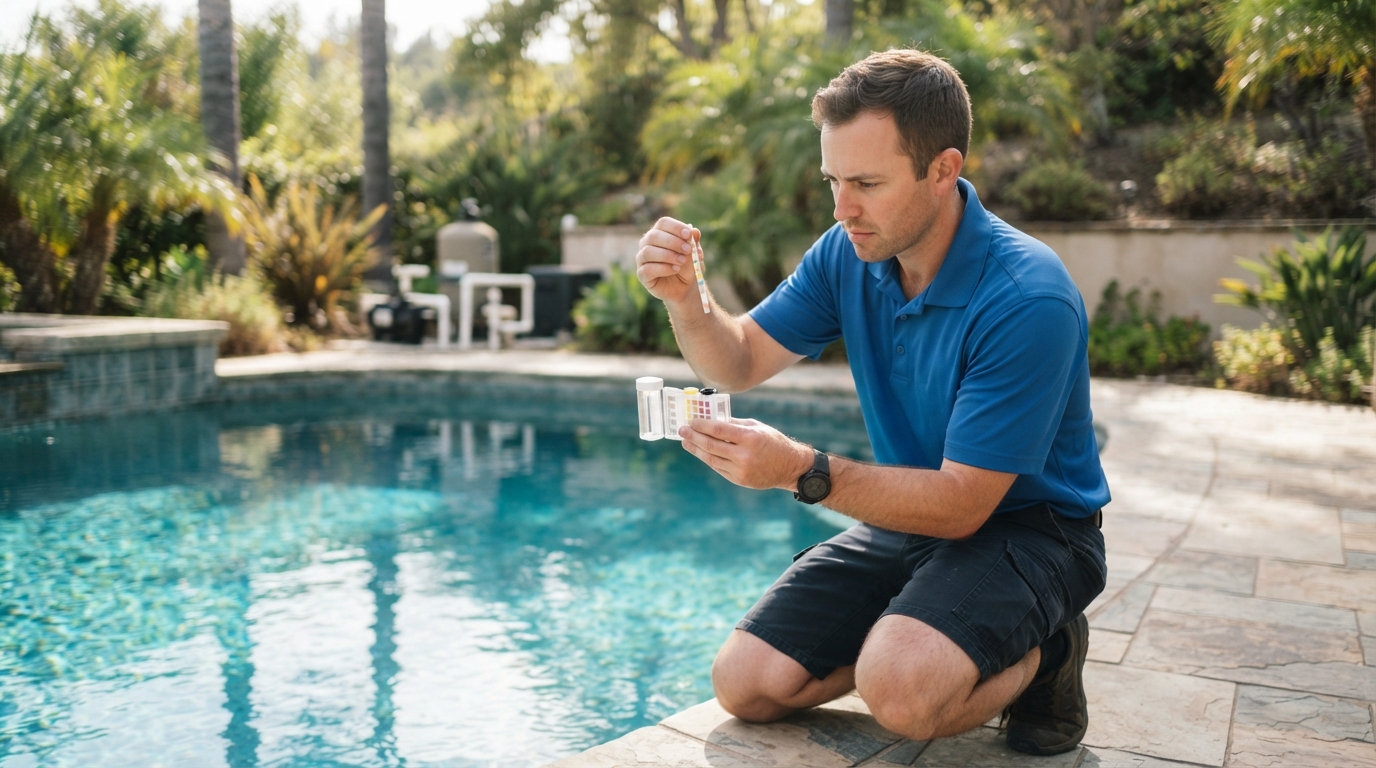
Chlorine and pH levels do not stay stable on their own. Sunlight, bather load, and debris all reduce available chlorine, which is why the CDC recommends testing pool water at least twice daily and adjusting chemical levels as needed.
• Chlorine should stay at a minimum of 1 ppm in pools without cyanuric acid, or 2 ppm when stabilized chlorine products are used.
• pH should remain between 7.0 and 7.8 to keep disinfectants effective and limit skin and eye irritation.
• Testing frequency should increase during heavy use, which is common during warm months in Roseville, CA.
Pool technicians who test and adjust these levels on a set schedule reduce the risk of cloudy water, scale buildup, and bacterial growth that can develop quickly once chemical balance slips.
What a Pool Inspection Typically Covers
A thorough inspection looks beyond surface appearance to identify mechanical and structural issues that affect long-term water quality. Common inspection points include:
1. Filtration and pump performance, since weak circulation allows debris and contaminants to accumulate.
2. Plumbing lines, checked for leaks that waste water and strain equipment.
3. Pool surfaces, examined for cracks or plaster damage that can harbor algae.
4. Safety features, including drain covers and automatic controls.
Replastering, tile repair, and equipment upgrades are among the corrective services commonly needed after inspection identifies wear. Addressing these problems early typically costs less than waiting for a full equipment failure or structural repair.
Comparing Maintenance Approaches
| Approach | Typical Frequency | Water Quality Outcome |
| No scheduled service | Reactive only | Higher risk of algae, chemical imbalance, and equipment failure |
| Basic chemical balancing | Weekly | Stabilized chlorine and pH, but limited equipment oversight |
| Full-service maintenance | Weekly to biweekly | Balanced water chemistry plus filtration, plumbing, and equipment checks |
Full-service maintenance plans generally produce more consistent results because they combine chemical testing with mechanical inspection, rather than treating water chemistry as an isolated task.
Local Considerations for Pool Owners
Pool owners in Roseville, CA deal with extended periods of high heat, which increases evaporation, chemical demand, and the likelihood of heavy pool use during peak months. These conditions make it harder to maintain stable chlorine and pH levels without a consistent service schedule.
Based in Salida, CA, Trademark Pool & Spa extends pool construction, remodeling, and inspection-related services to customers in Roseville, CA.
Frequently Asked Questions
How often should pool water be tested? Pool and hot tub water should be tested for chlorine and pH at least twice per day, with more frequent testing during heavy use, according to CDC guidance.
What signs indicate a pool needs professional inspection? Persistent cloudy water, visible cracks in the pool surface, weak water circulation, or unexplained water loss are common indicators that a professional inspection is warranted.
Can equipment age affect water safety? Yes. Aging pumps, filters, and automatic controls can reduce circulation and disinfection efficiency, making it harder to maintain safe chlorine and pH levels even with regular chemical testing.
Is replastering part of routine maintenance? Replastering is typically a corrective service performed when a pool’s surface shows cracking, staining, or rough texture, rather than a routine weekly task.
Maintaining safe, clean pool water depends on combining chemical testing with mechanical inspection on a consistent schedule, particularly in climates where heat and heavy use place added demand on filtration and disinfection systems. Published service area information for Trademark Pool and Spa is available for reference regarding pool construction, remodeling, and inspection-related work.