Takeaway:
• When disaster strikes a property, the speed of your response directly determines how much damage you can prevent and how quickly recovery can begin.
• Emergency restoration services address water, fire, storm, mold, and hazardous material damage through a structured, step-by-step process.
• Calling a qualified team within the first few hours is the single most effective action a property owner can take.
When a flood, fire, or severe storm damages your home or business, every hour of delay compounds the problem. Emergency restoration is the immediate response to property damage, focused on stabilizing the environment, preventing further damage, and documenting the situation before repairs begin. Understanding the steps involved helps property owners act faster and recover with less disruption.
What Qualifies as a Property Emergency
Not every repair situation demands emergency intervention, but certain events cannot wait. These include flooding, burst pipes, fire and smoke damage, roof leaks after severe weather, sewage backups, mold outbreaks, and structural damage from impact or natural disasters.
The urgency is real. Water damage, for example, can lead to mold growth within 24 to 48 hours if not addressed promptly. That narrow window is why emergency restoration services Regina and similar professional teams operate around the clock, prioritizing rapid deployment over scheduled appointments.
Expert disaster restoration covers water, fire, and wind damage repair, as well as hazardous abatement services such as asbestos removal, lead abatement, and mold removal. Knowing which category your situation falls into helps you communicate clearly when you call for help.
The Step-by-Step Recovery Process
Professional restoration follows a structured sequence. Skipping or rushing any stage increases the risk of secondary damage and complicates insurance claims.
Step 1 – Ensure Safety First Ensure safety first by evacuating if necessary, then stop the source of damage by shutting off water or electricity if it is safe to do so. Do not re-enter a structurally compromised building until a professional has assessed it.
Step 2 – Document the Damage Document the damage by taking photos for insurance claims. Thorough visual records taken before any cleanup begins are critical for validating coverage and preventing disputes later.
Step 3 – Call a Qualified Restoration Team Professional emergency disaster restoration services provide 24/7 response, advanced equipment, and experienced technicians to protect your property and restore it as quickly as possible. The sooner a crew arrives, the sooner stabilization begins.
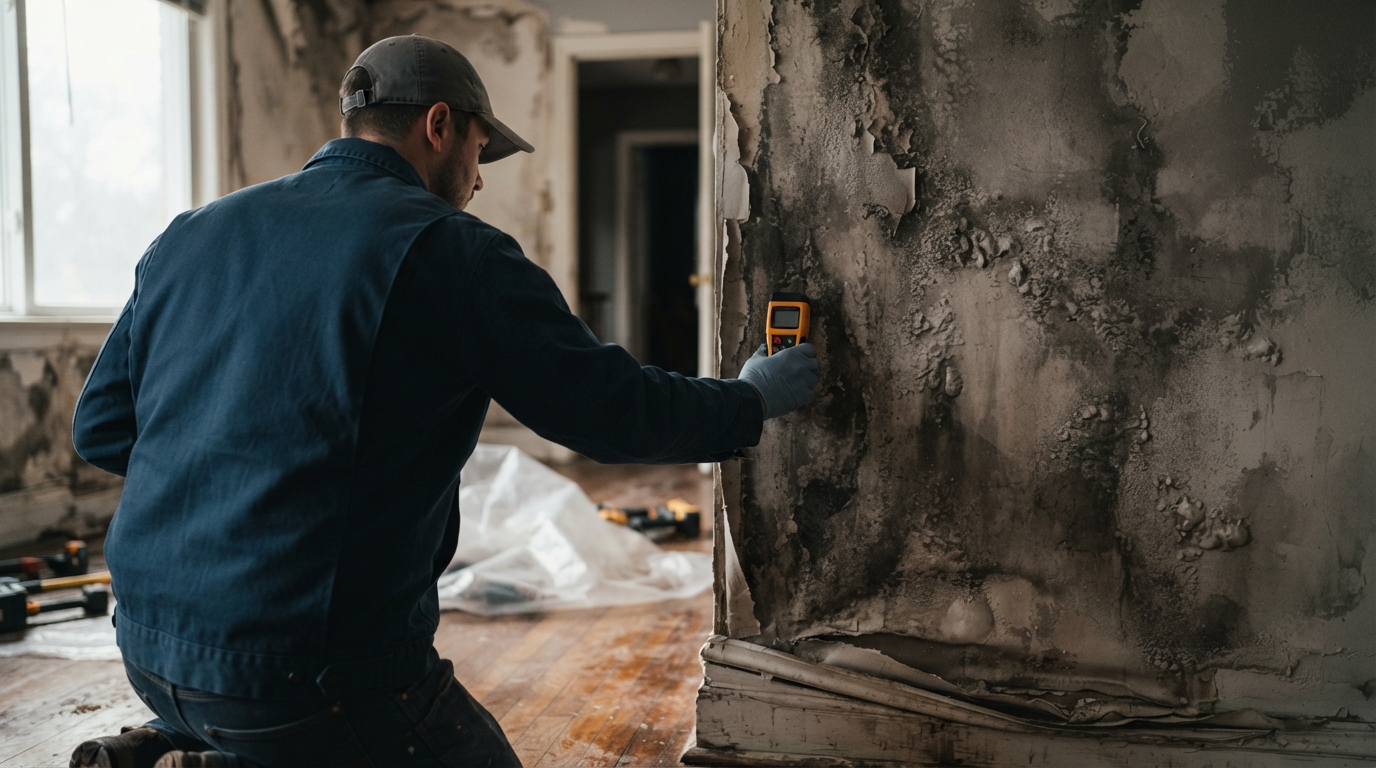
Step 4 – Damage Assessment and Stabilization In that critical first hour, the team focuses on safety above everything else, assessing the site to make sure it is secure, documenting the damage for records, taking immediate steps to stabilize the property, and evaluating utilities to rule out hidden dangers.
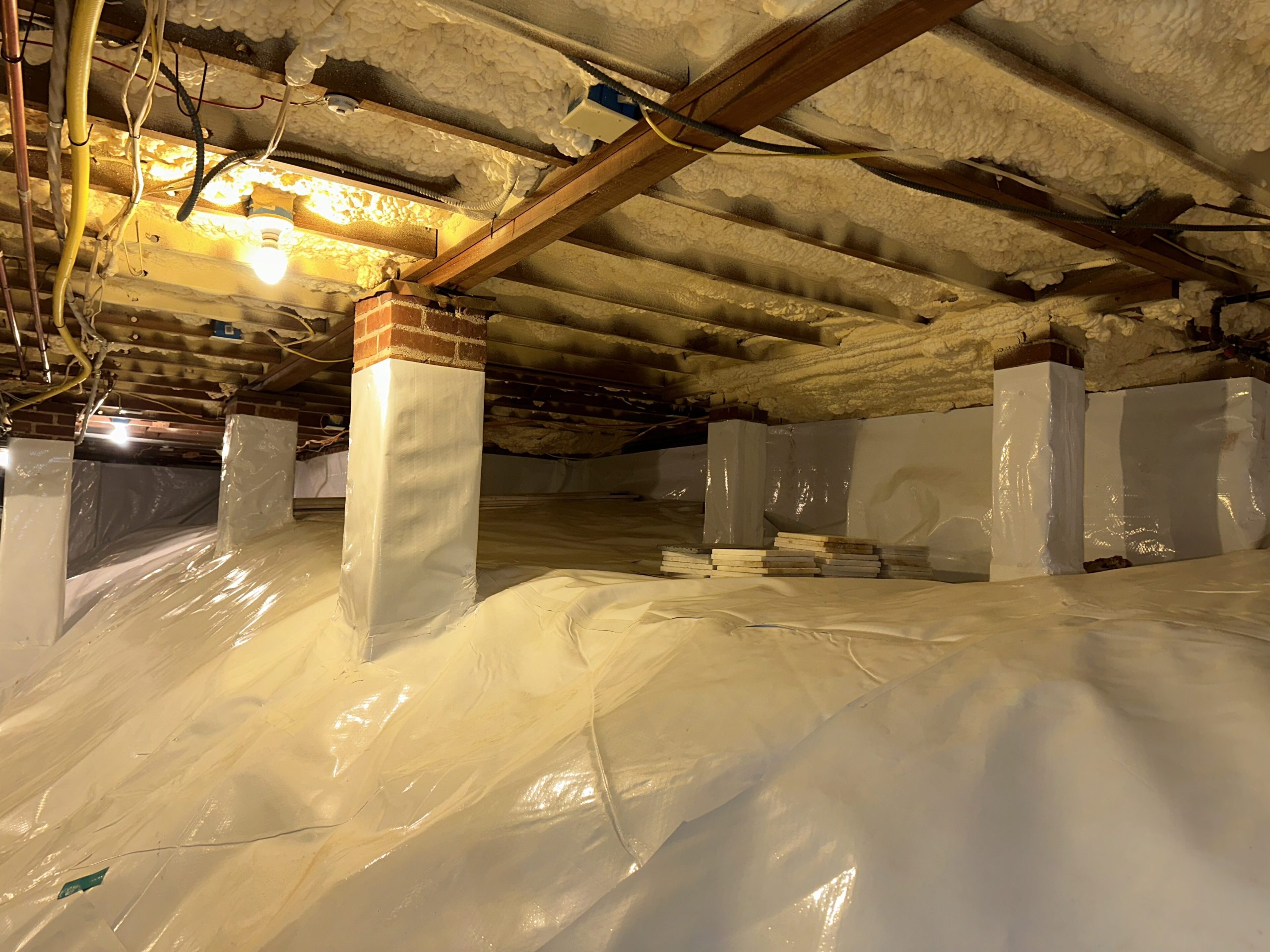
Step 5 – Extraction, Drying, and Containment Water damage requires immediate attention to prevent mold, corrosion, and further structural issues. Industrial extraction equipment removes standing water, while dehumidifiers and air movers begin the drying process. For fire events, smoke damage can linger in walls, furniture, and air ducts, so professional cleaning ensures air quality and structural integrity are restored.
Step 6 – Hazardous Material Handling Older properties may contain asbestos or lead, which require certified abatement before any reconstruction work begins. Attempting to remove these materials without proper training creates serious health and legal risks.
Step 7 – Repairs and Rebuild Restoration usually refers to cleaning, drying, repairing, and salvaging as much of the affected property as possible, while rebuild involves reconstructing damaged areas that cannot be repaired. Together, they create a complete recovery process.
Comparing Common Disaster Types and Response Priorities
|
Damage Type |
Immediate Priority |
Key Risk if Delayed |
|
Water / Flooding |
Water extraction and drying |
Mold growth within 24-48 hours |
|
Fire and Smoke |
Soot removal and ventilation |
Corrosion and permanent odor |
|
Hail and Wind |
Roof and window boarding |
Further water intrusion |
|
Mold |
Containment and remediation |
Health hazards and spread |
According to the FEMA National Disaster Recovery Framework, effective recovery depends on planning, adaptability, and coordinated action across all phases of the response.
Frequently Asked Questions
How quickly should I call a restoration company after a disaster? Call within the first hour if possible. Time is the most critical factor in any restoration scenario — the faster you act, the more you can save.
Does emergency restoration help with insurance claims? Yes. Proper documentation during the initial response is critical for validating claims and ensuring appropriate coverage. Most professional teams assist with this documentation as part of their standard process.
What is the difference between restoration and reconstruction? Restoration and rebuild are not exactly the same. Restoration refers to cleaning, drying, repairing, and salvaging as much of the affected property as possible, while rebuild involves reconstructing damaged areas that cannot be repaired.
Can restoration teams handle hazardous materials like asbestos? Expert disaster restoration services include hazardous abatement such as asbestos removal, lead abatement, and mold removal. Always confirm that the team you hire holds the appropriate certifications for these specialized services.
Work With a Local Restoration Team You Can Trust
Speed and expertise are non-negotiable when property damage strikes. Understanding the importance of a quick and efficient response when disaster strikes is why professional teams are available 24/7 to assist. If you are in the Regina area, APEC Restoration and Renovations offers disaster restoration covering water, fire, hail, wind, mold, and hazardous abatement for residential, commercial, and industrial properties. Reaching out to a qualified local team at the first sign of damage is the most reliable way to protect your property and speed up your path to recovery.